
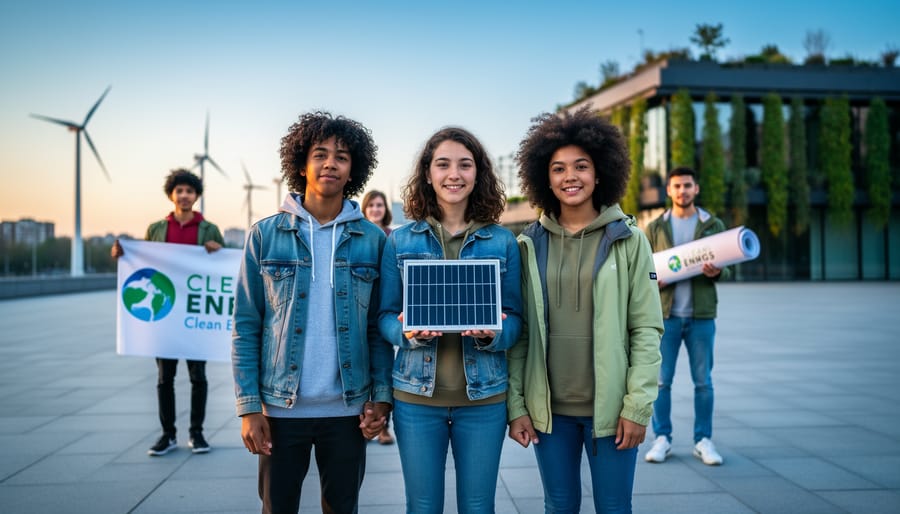

The climate change arena is the evolving space where individuals, organizations, and governments come together to tackle environmental challenges through collaboration, innovation, and shared action. Unlike traditional environmental movements that often felt siloed or partisan, this arena thrives on diverse participation, bringing together renewable energy advocates, community organizers, business leaders, and young activists who recognize that climate solutions require everyone at the table.
What makes this framework powerful is its emphasis on access and agency. You don’t need a science degree or political connections to participate. The arena includes everything from local sustainability initiatives and clean energy projects to policy discussions and grassroots campaigns. It’s designed around the reality that climate action happens at multiple levels simultaneously, and meaningful progress depends on people engaging wherever they have influence, whether that’s through career choices, consumer decisions, community involvement, or civic participation.
The concept gained traction as younger generations demanded more inclusive approaches to environmental challenges. Rather than waiting for top-down solutions, participants in the climate change arena create pathways for immediate engagement. This shift reflects a growing understanding that climate change isn’t just an environmental issue but a comprehensive challenge touching energy systems, economic development, social equity, and technological innovation.
For those exploring how to contribute, the climate change arena offers clarity in what can feel like an overwhelming landscape. It maps the interconnected spaces where climate work happens and reveals how individual actions connect to broader systemic change. The framework recognizes that bipartisan cooperation and cross-sector collaboration aren’t just idealistic goals but practical necessities for achieving durable climate solutions.
What the Climate Change Arena Really Means
The climate change arena isn’t a single place or organization, it’s the sprawling, interconnected space where every climate solution gets hammered out, funded, and fought over. Think of it as the collision point where policy debates meet startup pitch decks, where activist campaigns intersect with corporate boardrooms, and where economic realities shape environmental ambitions.
Unlike the environmental movements of decades past, which often positioned themselves as outsiders challenging the system, today’s climate change arena operates from within multiple power structures simultaneously. A Republican state legislator championing wind energy tax credits occupies the same arena as a Democratic city council member pushing electric bus fleets. A venture capitalist funding battery technology plays in the same space as a community organizer fighting for rooftop solar access in underserved neighborhoods. The arena expanded precisely because climate solutions stopped being exclusively environmental issues and became economic opportunities, national security imperatives, and technological frontiers.
- Bipartisan Climate Action
- Policy initiatives and legislation that gain support across party lines by framing climate solutions in terms of economic development, energy independence, or innovation rather than environmental regulation alone.
- Climate Entrepreneurship
- The growing sector of businesses and startups developing market-based solutions to climate challenges, from renewable energy technologies to sustainable agriculture platforms.
- Youth-Led Advocacy
- Organized efforts by young people to influence climate policy and corporate behavior, characterized by digital fluency, intersectional approaches, and emphasis on intergenerational justice.
- Renewable Energy Transition
- The ongoing shift from fossil fuel-based energy systems to wind, solar, and other clean energy sources, driven by both economic competitiveness and climate necessity.
This evolution matters because it changed who gets a seat at the table. The arena now includes oil executives exploring carbon capture, rural communities building wind farms, tech companies pursuing carbon-neutral operations, and teenagers organizing school walkouts. Each brings different motivations, from profit to principle, but all contribute to the broader climate conversation. The messiness is the point, real change happens when diverse stakeholders with competing interests must negotiate, compromise, and occasionally find unexpected common ground.
The Players Transforming This Space
Why Youth Leadership Changes Everything
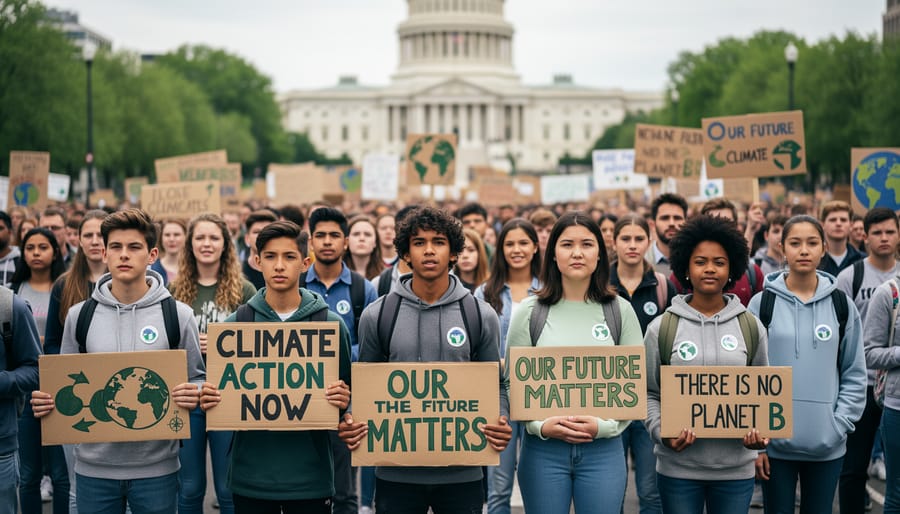
Young people aren’t just participating in climate conversations, they’re fundamentally changing how those conversations work. When young climate activists enter the arena, they bring something irreplaceable: they’ll live with the consequences of today’s decisions for decades to come. That long-term stake gives them moral authority that transcends political affiliation.
This generation also brings technological fluency that older policymakers often lack. They understand how digital tools can mobilize communities, track environmental data in real time, and make renewable energy systems smarter. They speak the language of innovation naturally because they grew up with it.
But perhaps most importantly, young leaders approach climate action differently. They’re less invested in old political divisions and more focused on what actually works. When you haven’t spent forty years entrenched in partisan frameworks, finding common ground becomes easier. You can see renewable energy as both an economic opportunity and an environmental necessity without cognitive dissonance.
This fresh perspective creates space for unusual alliances. Young conservatives and progressives often discover they share concerns about energy independence, job creation, and leaving a livable world for their own future children. They demand accountability from all sides because they recognize that climate change doesn’t care about party platforms, it responds only to action.
Beyond Partisan Lines: Building Bridges That Hold
Economic Growth and Green Jobs as Common Ground
Jobs in renewable energy now outnumber traditional fossil fuel positions in many regions, creating economic opportunities that resonate regardless of political affiliation. When communities see solar installation teams hiring locally, wind farm maintenance creating career pathways, and battery manufacturing facilities revitalizing industrial towns, climate action becomes less abstract and more tangible.
This economic reality shifts conversations. Conservative-leaning areas appreciate energy independence and reduced reliance on foreign oil. Progressive regions value environmental benefits alongside economic justice. Both recognize that renewable energy investments generate construction jobs, manufacturing positions, and long-term maintenance careers that can’t be outsourced. Rural communities benefit from land lease payments for wind and solar projects, providing farmers and ranchers with stable supplemental income during agricultural downturns.
The numbers tell a compelling story across urban and rural settings. Addressing climate change in cities through energy-efficient building retrofits employs electricians, HVAC technicians, and construction workers while reducing utility costs for residents. Meanwhile, rural manufacturing hubs producing wind turbine components and solar panels create supply chain opportunities that span political geographies.
This economic common ground makes climate action practical rather than ideological. When renewable energy means paychecks, business growth, and community investment, partisan divisions matter less than shared prosperity. Young professionals entering these industries find themselves working alongside colleagues from diverse backgrounds, united by careers built on solutions rather than divided by politics.
How to Step Into the Arena Yourself
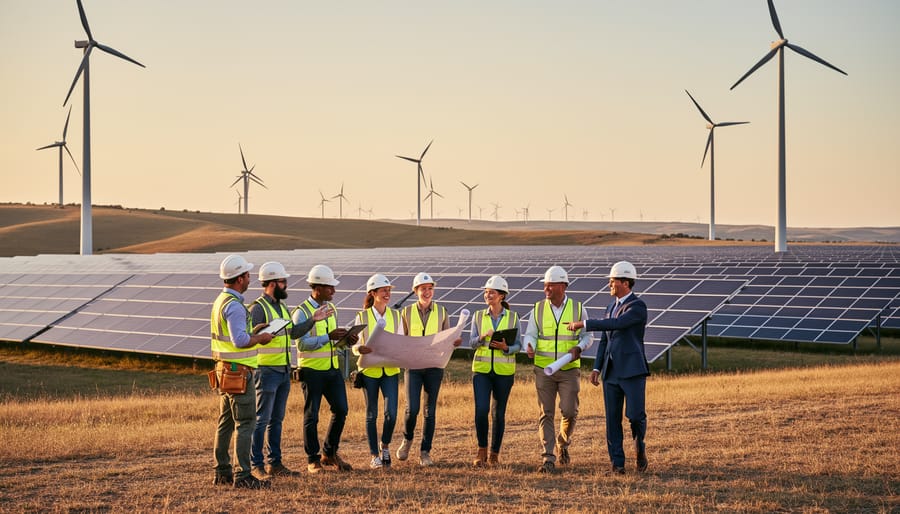
You don’t need specialized credentials or political alignment to contribute meaningfully to climate solutions. The arena is open to anyone willing to learn, listen, and act. What matters is showing up with curiosity and a commitment to progress over purity.
Start by building your foundation across multiple perspectives. Read climate coverage from sources across the political spectrum, not to pick sides, but to understand the full range of concerns and solutions people care about. Follow renewable energy resources that explain technology and economics in accessible terms. Explore how climate and health intersect in your own community. This broader lens helps you identify common ground and speak credibly across divides.
From there, choose pathways that match your interests and circumstances:
- Join or support bipartisan climate initiatives in your area, organizations that deliberately bring together diverse political perspectives to work on local energy efficiency, conservation, or clean energy projects.
- Explore careers in renewable energy sectors like solar installation, energy auditing, grid management, or sustainable agriculture. These fields need people now and offer real economic mobility.
- Engage with local sustainability projects through your school, workplace, or municipal government. Small-scale wins build momentum and teach you how change actually happens.
- Amplify voices from different backgrounds and political perspectives who are doing climate work. Share their stories, attend their events, and help bridge networks that rarely connect.
- Develop one specific skill that contributes to climate solutions, whether that’s data analysis, community organizing, grant writing, or technical expertise in a relevant field.
Don’t underestimate the power of informed conversations. Many people want climate solutions but feel alienated by divisive rhetoric. When you can discuss energy independence, job creation, and environmental benefits in the same breath, you create space for others to join without abandoning their values.
The most effective climate advocates share a common trait: they show up consistently in spaces where they can make a tangible difference. That might mean attending city council meetings about zoning for solar panels, volunteering with energy assistance programs for low-income households, or simply having patient conversations with neighbors who see climate action differently.
Your participation matters because every functional democracy needs informed, engaged citizens who can work across differences. The climate change arena isn’t waiting for you to become an expert. It needs you to start where you are, learn as you go, and bring others along.
The Future This Arena Is Building
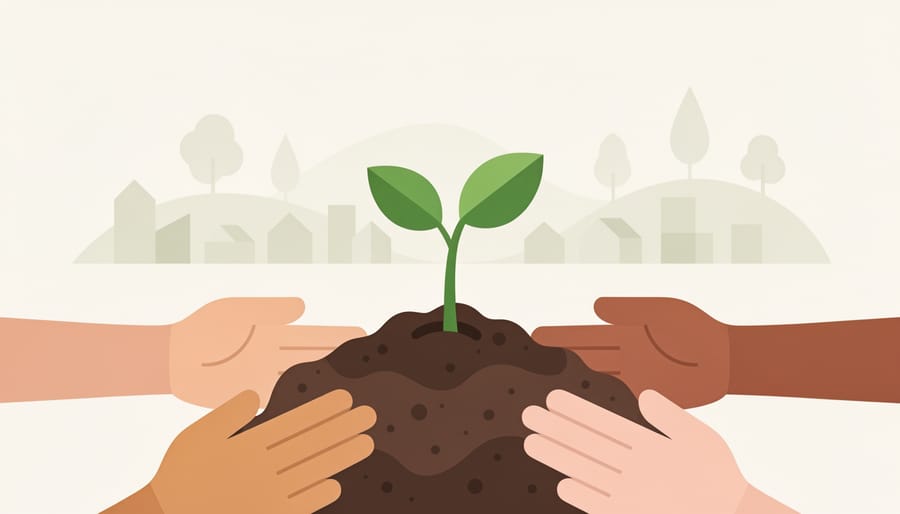
The climate change arena is building a future where innovation outpaces gridlock. Already, we’re seeing the early architecture of this transformation: renewable energy installations that beat fossil fuels on cost, youth-led coalitions rewriting policy proposals, and cross-party agreements that once seemed impossible. This isn’t wishful thinking. It’s the measurable result of bringing diverse perspectives into the same conversation.
When people from different backgrounds collaborate on climate solutions, they catch blind spots that homogeneous groups miss. A conservative economist identifies market mechanisms that make clean energy adoption financially irresistible. A progressive activist ensures vulnerable communities aren’t left behind in the transition. A young engineer develops technology that addresses both groups’ concerns. Together, they create solutions more durable than any single faction could design alone.
The arena is producing tangible wins. Communities are building resilience against extreme weather while creating jobs that didn’t exist five years ago. Technologies dismissed as fringe are becoming mainstream. Political leaders who once avoided climate discussions now compete to champion renewable energy in their districts. These changes accelerate when participation expands.
What makes this moment different from past environmental movements is the breadth of who’s involved. The climate change arena doesn’t demand you abandon your political identity or economic interests. It asks you to bring them to the table. A thriving renewable energy sector needs conservative fiscal discipline and progressive environmental standards. Rural communities need both innovation and respect for existing ways of life. Young people need both immediate action and long-term economic opportunity.
This arena belongs to everyone willing to build rather than obstruct. The future it’s creating reflects the diversity of voices shaping it.
The climate change arena isn’t some exclusive club with gatekeepers. It’s a space we’re all building together, right now, and it needs you.
Every conversation you have about renewable energy, every local meeting you attend, every time you choose engagement over cynicism, you’re shaping this arena. The solutions we need won’t come from one party, one generation, or one perspective. They’ll emerge from unlikely partnerships, from people who disagree on most things but find common ground on clean energy jobs, energy independence, and protecting what we love.
This isn’t about waiting for permission or perfect credentials. It’s about showing up with your unique perspective, your skills, and your stake in the future. Young people especially bring something irreplaceable: the ability to see beyond today’s divisions toward solutions that actually work.
The arena is evolving every day, and progress happens fastest when we stop sorting ourselves into opposing camps and start solving problems together. Your voice matters because the future being decided in this space is yours. The question isn’t whether you belong here. It’s what you’ll contribute now that you’re here.