
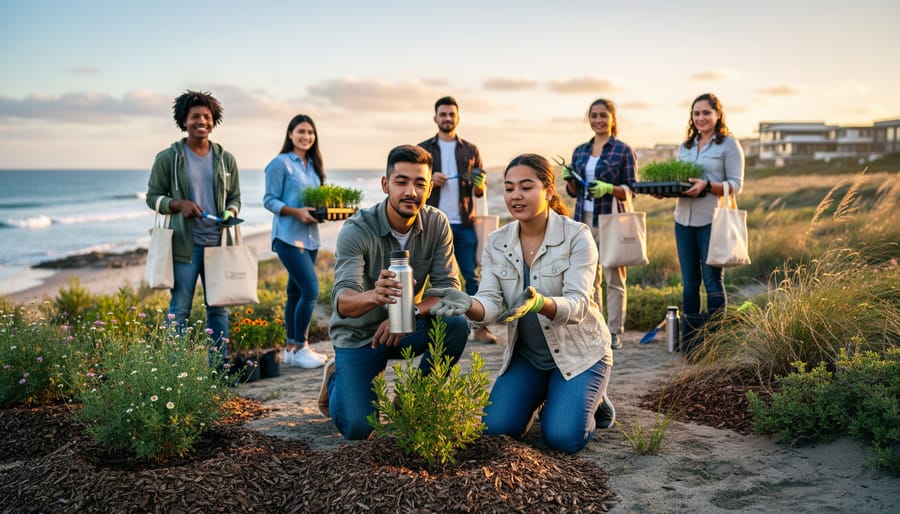


Climate change awareness in 2026 looks radically different from even five years ago. What began as a predominantly partisan issue has evolved into a genuine cross-spectrum movement, driven largely by young people who refuse to wait for perfect political alignment before taking action. The shift isn’t just rhetorical. From coastal Texas communities partnering with environmental groups on flood resilience to rural farming coalitions adopting regenerative practices, Americans are finding common ground in practical solutions rather than abstract debates.
This transformation matters because awareness without action is just noise. The question isn’t whether climate change is real or urgent anymore. Most people under 35 already accept that reality. Instead, they’re asking sharper questions: How do I make a difference beyond social media posts? Which organizations are actually moving the needle? What policy changes deserve my support, regardless of which party proposes them?
Understanding what causes climate change provides the foundation, but translating that knowledge into meaningful participation requires a different toolkit. The good news is that 2026 offers more entry points than ever before. Youth-led initiatives are scaling faster. Bipartisan climate caucuses are expanding in state legislatures. Corporate commitments are facing genuine accountability measures.
The barrier isn’t information anymore. It’s connection. Too many people still believe their individual efforts don’t matter or that climate action requires choosing between economic prosperity and environmental health. This guide challenges both assumptions by showing you where your energy can create real impact, how diverse coalitions are already winning concrete victories, and why your participation matters more than your politics.
The Evolution of Climate Change Awareness
Climate change awareness has undergone a fundamental transformation over the past decade. What once sat squarely in the environmental column of political debates now spans economic forecasts, workforce development plans, and national security briefings. In 2026, discussing climate change means discussing jobs in wind turbine manufacturing, grid modernization projects creating local employment, and community infrastructure that protects homes from flooding. The conversation has moved from polar ice caps to paychecks, from abstract future scenarios to concrete present-day opportunities.
This shift reflects a broader understanding that climate issues touch everything. Energy independence isn’t just an environmental goal, it’s an economic imperative that reduces reliance on volatile global markets. Renewable energy buildouts create construction jobs, engineering positions, and maintenance careers that can’t be outsourced. Communities investing in resilience measures see property values stabilize and local economies strengthen. The framing has changed because the reality has: climate action now means economic development, not sacrifice.
Young people are driving this reframing with remarkable intensity. They’ve watched climate change evolve from a distant threat to a present reality affecting their job prospects, housing costs, and community stability. Rather than accepting the old partisan divides, they’re demanding solutions that make economic sense alongside environmental sense. They’re less interested in performative activism and more focused on practical policy, entrepreneurship in clean tech sectors, and building coalitions that cross traditional political boundaries.
This generational perspective brings fresh urgency to the conversation. Young leaders aren’t waiting for perfect consensus or asking permission to act. They’re launching businesses, organizing community resilience projects, and pushing for infrastructure investments that serve multiple goals simultaneously. Their approach treats climate awareness not as an ideological position but as a practical framework for building a functional economy and livable communities, a perspective that’s rapidly reshaping how Americans across the political spectrum engage with these issues.
From Awareness to Action: What’s Driving the 2026 Momentum
Key Events Shaping Climate Conversations
Two major gatherings are anchoring climate conversations in 2026, each designed to move awareness into tangible action. World Climate Day on March 23, 2026 serves as a global rallying point, sparking discussions in communities and online about practical solutions rather than abstract fears. It’s a moment for individuals across the political spectrum to share stories about local resilience projects, clean energy wins, and economic opportunities tied to climate adaptation.
Later in the year, Adaptation Canada 2026 dates bring together policymakers, researchers, and community leaders from September 22 to 24 at the Westin Harbour Castle in Toronto. This conference emphasizes actionable adaptation strategies, protecting infrastructure, managing water resources, and building climate-resilient economies. It’s not a partisan echo chamber. The focus on practical adaptation creates common ground, attracting stakeholders who care about jobs, innovation, and protecting what they’ve built, regardless of their political leanings.
Both events also recognize the power of youth voices. Gen Z activism on social media has proven effective at reframing climate issues around solutions and opportunity, and these gatherings provide platforms for young people to lead workshops, present research, and shape the agenda. When awareness events center diverse perspectives and concrete action, they stop being abstract and start building the coalitions needed for real progress.
The Role of Digital Platforms and Community Organizing
Social media has become the great equalizer in climate conversations, breaking down geographic and ideological barriers that once kept communities siloed. Platforms like Instagram, TikTok, and YouTube allow climate scientists, entrepreneurs, and everyday citizens to share digestible information about renewable energy breakthroughs, local resilience projects, and practical solutions. A farmer in Iowa can learn about regenerative agriculture techniques from a rancher in Texas, while a student in California discovers how coastal communities in Florida are adapting to sea-level challenges.
Local groups are translating this digital momentum into on-the-ground organizing. Town halls, community clean energy cooperatives, and neighborhood resilience planning sessions bring people together around shared interests rather than partisan labels. Non-partisan organizations like Citizens’ Climate Lobby create spaces where conservatives and progressives collaborate on policy solutions, focusing on economic benefits and innovation rather than political positioning.
This combination of digital reach and local action makes climate awareness accessible to people who might never attend a traditional environmental rally. The conversation shifts from abstract global warnings to concrete community opportunities, inviting participation based on values everyone shares: economic security, innovation, and leaving something better for the next generation.
Breaking Down Barriers: Climate Awareness Across Political Lines
Climate change awareness doesn’t need to divide us along party lines. In 2026, the most effective communicators are reframing the conversation around shared values that resonate across the political spectrum. Instead of leading with environmental catastrophe, they’re opening with economic opportunity, national security, and community wellbeing, issues that matter to everyone, regardless of voting record.
The shift is visible in how different audiences respond to the same challenge. Conservative communities engage when the discussion centers on energy independence and reducing reliance on foreign oil. Progressive groups mobilize around social equity and environmental justice. Rural voters connect with protecting agricultural land and water resources. Urban residents care about air quality and health impacts. The common thread? Everyone wants a secure, prosperous future for their families.
This approach works because it acknowledges multiple pathways to the same destination. When climate awareness initiatives emphasize these converging interests, participation increases dramatically:
- Energy security and reduced dependence on volatile global markets
- Job creation in manufacturing, installation, and maintenance of renewable infrastructure
- Lower utility costs through efficiency improvements and distributed generation
- Stronger local economies that keep energy dollars circulating in communities
- Improved public health outcomes from cleaner air and water
- Enhanced national competitiveness in growing clean technology sectors
The breakthrough happens when we stop treating climate awareness as a test of ideological purity and start presenting it as practical problem-solving. A Texas rancher installing solar panels to power his operation and a Portland entrepreneur launching an electric vehicle startup are both advancing the same goals, even if they describe their motivations differently. Events like Adaptation Canada 2026 in September are deliberately designed to create these cross-partisan conversations, bringing together business leaders, farmers, urban planners, and innovators who might never attend the same rally but share concrete interests in resilient infrastructure and economic growth.
This isn’t about watering down the science or avoiding hard truths. It’s about meeting people where they are and connecting climate awareness to what they already care about.

How Young People Are Redefining Climate Awareness
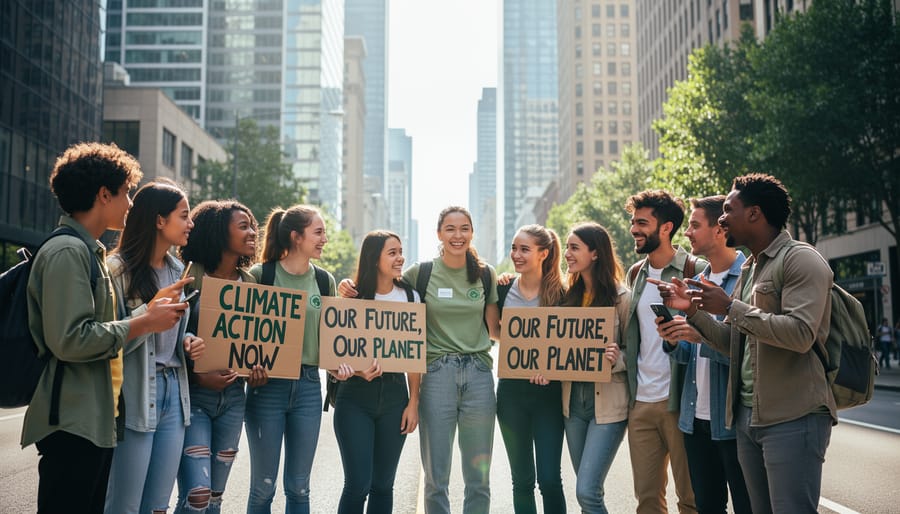
Young people aren’t waiting for permission to lead the climate conversation. They’re building startups that turn carbon capture into profitable ventures, organizing town halls that bring together conservative business owners and progressive activists, and reframing climate action as an economic opportunity rather than a sacrifice. This generation approaches climate awareness with a solutions-first mindset that sidesteps the polarization that has stalled progress for decades.
Unlike previous movements that relied heavily on protest and alarm, youth-led climate initiatives in 2026 prioritize entrepreneurship and coalition-building. A college student might launch a renewable energy consulting firm while simultaneously helping students campaign for climate-friendly policies in their community. They’re equally comfortable discussing ROI projections for solar installations and the urgency of methane reduction. This dual fluency in business and environmentalism makes their message accessible across the political spectrum.
The shift is visible in how young organizers structure their events and messaging. Instead of framing climate awareness as a liberal cause, they highlight job creation in clean energy sectors, energy independence as national security, and innovation as competitive advantage. They’re showing up at entrepreneurship conferences, agricultural expos, and tech meetups, not just environmental rallies. Their strategy recognizes that meaningful climate awareness spreads through trusted networks and shared economic interests, not through confrontation.
This generation also excels at making complex climate science digestible without dumbing it down. They use social media to translate IPCC reports into actionable insights, create peer-to-peer learning communities, and celebrate small wins alongside ambitious goals. By centering empowerment over guilt and collaboration over division, young people are proving that climate awareness can unite rather than fracture communities.
Practical Ways to Build and Share Climate Awareness
Start Conversations That Bridge Divides
Leading with shared concerns opens doors that partisan rhetoric closes. When discussing climate change, start by asking what someone cares about, job security, energy costs, community health, national independence, then connect those values to climate solutions. A farmer worried about crop yields responds differently than a veteran focused on energy security, yet both can see climate action as addressing their priorities.
Skip apocalyptic warnings and focus on tangible local impacts: flooding risk in coastal towns, wildfire threats to mountain communities, heat waves straining urban infrastructure. Make it concrete, not abstract. Frame solutions as opportunities rather than sacrifices: “local solar manufacturing jobs” resonates more universally than “carbon reduction targets.”
Listen before you lecture. Ask open-ended questions about what people notice changing in their area, their concerns about extreme weather, their ideas for local resilience. When someone feels heard rather than preached to, they’re likelier to stay engaged. Use “we” language that emphasizes collective problem-solving instead of pointing fingers.
Avoid climate jargon and activist slogans that signal tribal affiliation. Talk about innovation, efficiency, cost savings, and community strength, language that transcends political identity and invites collaboration rather than defensiveness.
Connect Awareness to Renewable Energy Opportunities
When you grasp the economic engine that renewable energy has become, climate awareness transforms from an abstract concern into a tangible pathway to prosperity. The sector created over 12 million jobs globally in recent years, and that number continues to climb as innovation accelerates. Understanding how solar panels work or the mechanics behind wind turbines isn’t just technical knowledge, it’s insight into where careers, investments, and community revitalization are heading.
Frame climate conversations around these opportunities: manufacturing facilities bringing stable employment to rural areas, installation jobs that can’t be outsourced, research positions driving technological breakthroughs, and entrepreneurial ventures solving real-world energy challenges. When someone understands that addressing climate change means building things, creating jobs, and strengthening energy independence, it resonates across political perspectives. This approach shifts the dialogue from what we’re fighting against to what we’re building together, a future where economic growth and environmental responsibility aren’t opposing forces but complementary goals that benefit everyone.
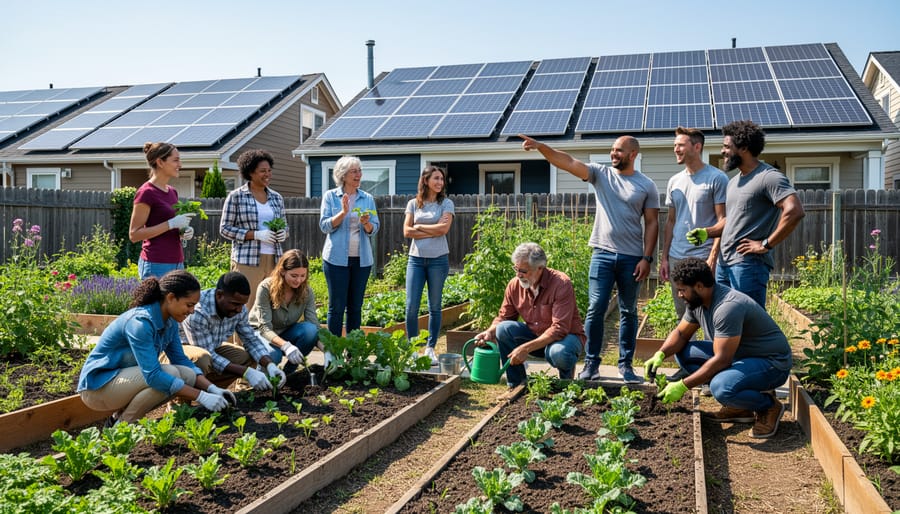
Climate change awareness in 2026 isn’t just about recognizing the challenge. It’s about building the common ground we need to create real solutions. Across every political perspective, from conservative communities focused on energy security to progressive advocates championing innovation, there’s growing recognition that our future depends on collaboration, not division.
The momentum we’re seeing this year, from World Climate Day on March 23 to Adaptation Canada 2026 at Toronto’s Westin Harbour Castle this September, shows that awareness is translating into action. These gatherings create spaces where diverse voices can shape pragmatic responses to climate change, proving that shared goals can emerge when we prioritize results over rhetoric.
Your role in this movement matters. Start conversations in your community that emphasize opportunity rather than alarm. Explore how renewable energy can strengthen local economies and create careers. Attend events that bring together people from different backgrounds to work on solutions. Connect with organizations that reflect your values while remaining open to partnership across the political spectrum.
The bipartisan climate movement isn’t waiting for perfect agreement. It’s being built by young people and communities ready to move forward together. Join them. Whether you’re engaging neighbors in dialogue, pursuing opportunities in clean energy, or simply learning more about practical climate solutions, you’re contributing to a future that works for everyone.