
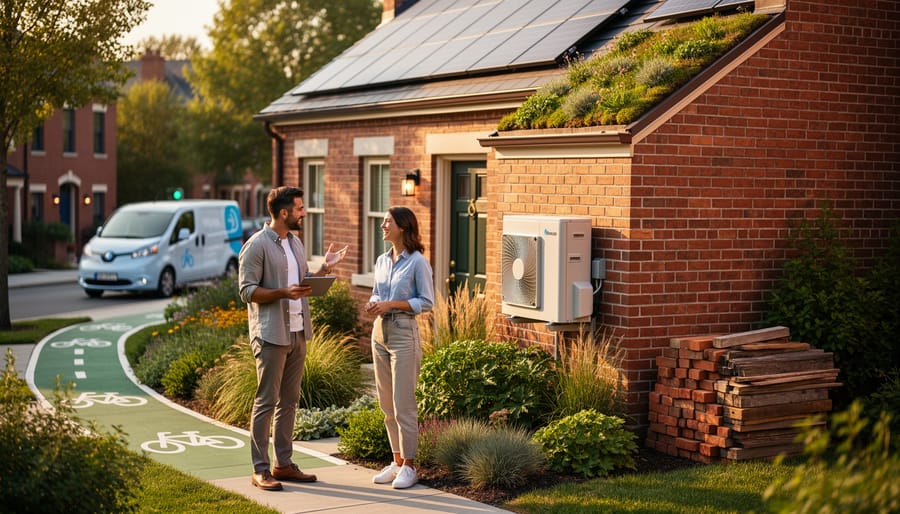

Evaluate property buying companies by examining their carbon offset programs, renewable energy commitments, and transparent reporting on environmental impact before engaging their services. If you need to sell your property quickly while minimizing environmental harm, click here to explore options that prioritize sustainability alongside speed.
The property sector accounts for nearly 40% of global carbon emissions, making your choice of buyer more consequential than ever. Traditional property transactions generate significant environmental costs through inefficient renovations, unnecessary demolitions, and wasteful refurbishment practices that send tons of materials to landfills. Sustainable property buying companies are disrupting this pattern by implementing circular economy principles, preserving existing structures where possible, and investing in energy-efficient upgrades that benefit future occupants and the planet alike.
Young people today understand that every financial decision carries environmental weight. Choosing a sustainable property buyer means your transaction contributes to climate solutions rather than problems. These companies typically assess properties for renovation potential rather than demolition, source materials from recycled or local suppliers, and ensure energy-efficient improvements that reduce long-term emissions. The economic advantages align perfectly with environmental goals since energy-efficient properties command higher values and lower operating costs.
This approach isn’t about political ideology but practical economics and generational responsibility. Whether you’re motivated by climate concern, financial prudence, or both, understanding what makes a property buying company genuinely sustainable empowers you to make informed decisions. The market is evolving rapidly, with innovative companies proving that speed, convenience, and environmental stewardship can coexist. Your property transaction represents an opportunity to vote with your wallet for the future you want to see, while still meeting your immediate financial needs.
The Hidden Environmental Cost of Traditional Property Sales
Why Longer Sales Mean Bigger Carbon Footprints
The traditional property selling process in the UK takes an average of six months or longer, and this timeline carries a hidden environmental cost that many sellers don’t realize. When properties sit vacant during extended sales periods, they still consume energy through heating systems preventing damp, security lighting, and regular maintenance visits. Each viewing requires potential buyers to travel, often multiple times, contributing to transportation emissions. Estate agents and surveyors make repeated trips, and the property requires ongoing upkeep that drains resources.
This inefficiency becomes even more significant when considering urban climate impact, where vacant properties in cities contribute to wasted infrastructure and energy networks. The good news is that younger generations are recognizing these inefficiencies and driving demand for faster, more sustainable alternatives.
Quick-sale property companies can dramatically reduce this carbon footprint by completing transactions in days or weeks rather than months. This approach minimizes vacant property energy waste, reduces travel for viewings, and cuts the overall environmental cost of property transitions. By choosing companies committed to streamlined, sustainable processes, sellers can make a positive climate impact while meeting their financial goals. This practical solution demonstrates how environmental responsibility and economic efficiency can work together, appealing to anyone who values both their time and our planet’s future.
The Renovation Waste Problem
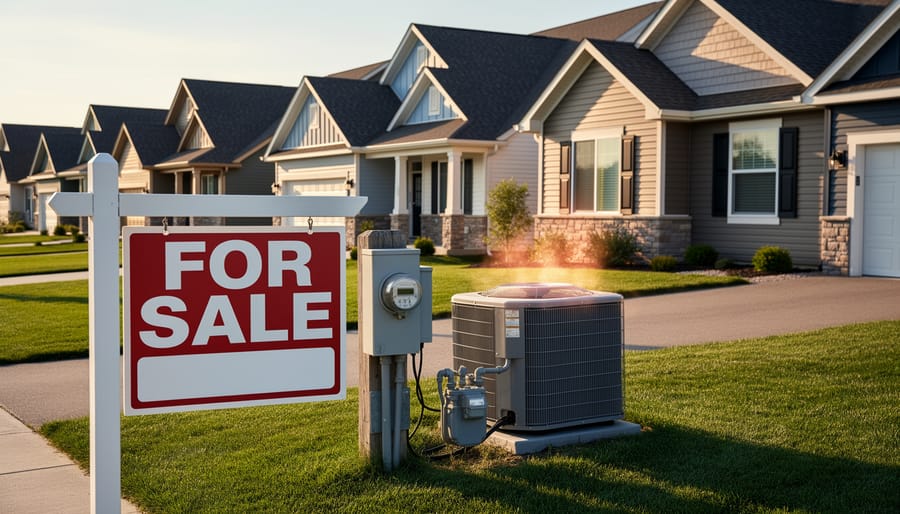
Traditional property chains create an often-overlooked environmental challenge: the renovation cycle. When homes change hands multiple times, each new owner typically renovates to match their personal taste, stripping out perfectly functional kitchens, bathrooms, and flooring. This pattern generates mountains of waste that end up in landfills rather than being reused or recycled.
The numbers tell a sobering story. UK households produce over 50 million tonnes of construction and demolition waste annually, with a significant portion coming from unnecessary cosmetic renovations. Viable cabinets, countertops, and fixtures are discarded simply because they don’t align with the next buyer’s preferences. The construction materials impact extends beyond landfills, as manufacturing replacements requires substantial energy and resources.
This wasteful cycle affects everyone, regardless of political perspective. Younger generations are increasingly questioning why functional materials must be destroyed for aesthetic preferences when climate challenges demand smarter resource use. Progressive property buying companies are changing this narrative by purchasing homes as-is, reducing renovation pressure and extending the lifespan of existing materials. This approach demonstrates that practical economics and environmental responsibility can work together, creating opportunities for homeowners while reducing our collective footprint.
What Makes a Property Buying Company ‘Sustainable’
Speed and Efficiency as Environmental Virtues
Time matters more than you might think when it comes to property sustainability. Traditional property sales in the UK can drag on for months, sometimes exceeding six months from listing to completion. During this extended period, vacant properties continue consuming energy through heating, lighting for viewings, and regular maintenance visits. These seemingly small activities accumulate into a significant carbon footprint.
Sustainable property buying companies revolutionize this timeline, completing transactions within 7-28 days. This accelerated process dramatically reduces the environmental impact of empty homes. Fewer property viewings mean less travel-related emissions from potential buyers and estate agents crisscrossing cities. Shorter vacancy periods translate to reduced heating requirements and lower energy waste from maintaining show-ready conditions.
This efficiency particularly resonates with younger generations who understand that climate action requires systemic change across all sectors, including housing markets. By choosing faster transaction methods, property sellers of any political background can contribute to emissions reduction while meeting their personal timelines. It’s a practical example of how individual decisions, when scaled across thousands of transactions, create meaningful environmental progress without requiring anyone to compromise their economic interests.
Circular Economy Approaches to Property
The most forward-thinking sustainable property buyers in the UK embrace circular economy principles, treating existing buildings as valuable resources rather than disposable structures. Instead of defaulting to demolition, these companies carefully assess properties for refurbishment potential, preserving embodied carbon already invested in construction materials while extending building lifespans.
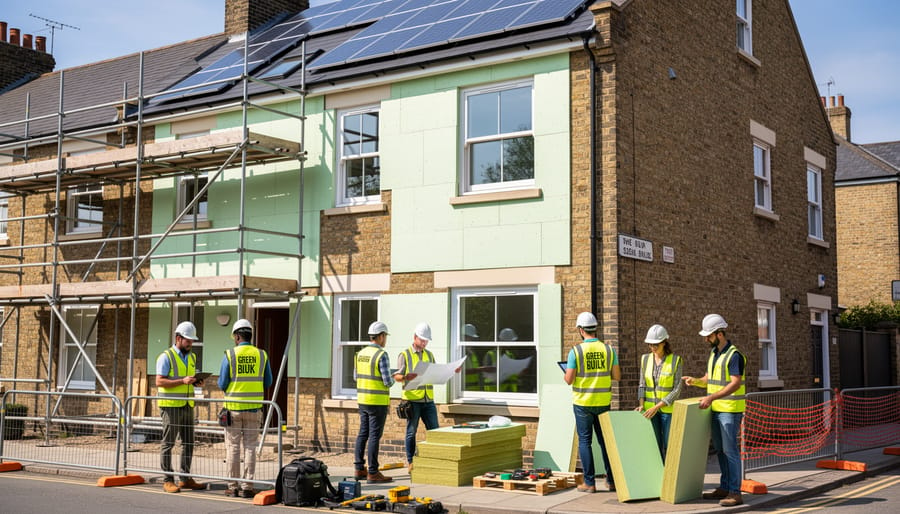
This approach prioritizes salvaging and reusing materials wherever possible. Original features like timber flooring, brickwork, and fixtures find new life rather than ending up in landfills. Energy retrofitting transforms older properties into efficient homes through improved insulation, double glazing, and integration of renewable technologies including solar panel technology.
Young climate advocates increasingly champion these practices, recognizing that renovation typically produces significantly lower emissions than new construction. This resonates across political perspectives because circular approaches make economic sense too, reducing waste disposal costs and material expenses while creating skilled jobs in restoration and retrofitting.
By choosing companies committed to these principles, property sellers directly contribute to reducing construction industry emissions, which account for nearly 40% of global carbon output. This practical climate action demonstrates how individual property decisions collectively drive meaningful environmental progress.
Green Certifications and Accountability
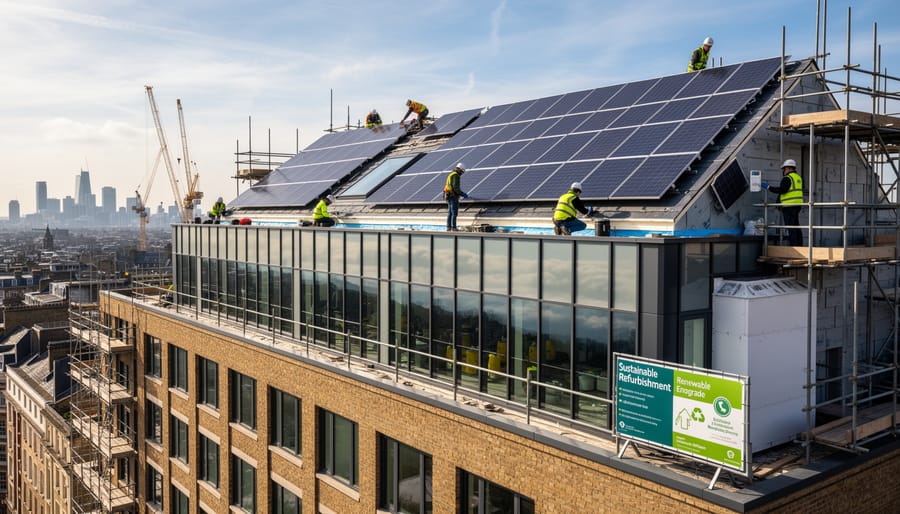
When evaluating property buying companies, look for recognized environmental certifications that demonstrate genuine commitment rather than empty promises. B Corp certification indicates a company meets rigorous standards for environmental performance, accountability, and transparency. ISO 14001 certification shows established environmental management systems, while membership in organizations like Planet Mark demonstrates measured carbon reduction efforts.
Authentic sustainable companies openly share their environmental impact data, publishing annual sustainability reports that detail carbon footprints, waste diversion rates, and renewable energy usage. This transparency empowers you to make informed decisions and holds businesses accountable to their claims.
Young people are increasingly driving demand for this accountability, recognizing that property transactions represent significant environmental decisions. By choosing certified companies, you’re not just selling a property—you’re voting with your wallet for transparent business practices that benefit everyone, regardless of political perspective. Request documentation of certifications and don’t hesitate to ask detailed questions about environmental practices. Companies genuinely committed to sustainability welcome scrutiny and proudly demonstrate their credentials.
Leading Examples of Sustainability in UK Property Buying
Companies Making the Transition
Several forward-thinking UK property buying companies are embracing sustainability as a core business principle, demonstrating that rapid property transactions and environmental responsibility can work hand in hand. These pioneers are reshaping the industry through tangible commitments rather than mere greenwashing.
Some companies now power their operations entirely through renewable energy contracts, ensuring that every viewing, valuation, and transaction runs on wind or solar power. Others have revolutionized their refurbishment processes by sourcing reclaimed materials and partnering with local suppliers to minimize transportation emissions. This approach not only reduces environmental impact but also supports regional economies and creates jobs within communities.
Carbon offset programs have become another popular initiative, with several firms calculating the emissions from their property transactions and investing in certified reforestation or renewable energy projects. While offsets shouldn’t replace direct emission reductions, they represent a meaningful interim step toward carbon neutrality.
What’s particularly encouraging is how these sustainable practices often appeal across the political spectrum. Conservative-minded individuals appreciate the cost savings from energy efficiency, while progressive buyers value the environmental commitment. This bipartisan appeal demonstrates that climate action in property markets isn’t about ideology but practical innovation.
Young professionals entering the housing market are increasingly researching companies’ environmental credentials before choosing who to work with, driving competition toward greener practices. This generational shift proves that consumer demand can accelerate industry-wide transformation, turning sustainability from a niche concern into a competitive advantage.
The Job Creation Opportunity
The shift toward sustainable property practices isn’t just good for the planet—it’s creating thousands of meaningful career opportunities for young people across the UK. As property companies embrace greener approaches, entire sectors are emerging that didn’t exist a decade ago, offering pathways into purposeful work that addresses climate change head-on.
Retrofitting older homes represents one of the fastest-growing employment sectors. These specialists install insulation, upgrade heating systems, and improve energy efficiency in existing properties. Energy assessors conduct detailed evaluations to identify where buildings lose heat and recommend improvements. Sustainable construction workers build new developments using eco-friendly materials and innovative techniques that minimize environmental impact.
What makes these jobs particularly appealing is their accessibility. Many positions offer apprenticeships and on-the-job training rather than requiring expensive university degrees. A carpenter can transition into sustainable timber construction, while someone interested in technology might pursue energy monitoring and smart home installations.
Property buying companies committed to sustainability often partner with local training programs, creating direct pipelines from education to employment. These aren’t temporary positions either—as the UK works toward its net-zero targets, demand for green building expertise will only increase.
For young people seeking careers that align with their values, the sustainable property sector offers tangible impact. Every retrofitted home reduces carbon emissions while creating comfortable, affordable living spaces. It’s work that combines practical skills with environmental purpose, proving that economic opportunity and climate action can advance together.

How Young People Can Drive Change in Property Markets
Questions to Ask Any Property Company
Before choosing a property company, ask targeted questions that reveal their genuine commitment to sustainability. Start with the basics: “What specific environmental policies guide your operations?” and “How do you measure and reduce your carbon footprint?” Companies with authentic practices will provide clear, detailed answers rather than vague corporate statements.
Dig deeper into their energy efficiency approach by asking: “What happens to properties that need significant energy improvements?” and “Do you partner with renewable energy providers or green building specialists?” Understanding their waste management is equally important. Ask: “How do you handle construction waste, furniture, and unwanted items?” Responsible companies should demonstrate clear recycling and donation programs rather than defaulting to landfill solutions.
Don’t hesitate to request evidence. Ask: “Can you share examples of recent sustainable projects or environmental improvements you’ve implemented?” Transparency separates genuine leaders from greenwashing. Inquire about their long-term vision: “How are you planning to improve your environmental impact over the next five years?”
These questions empower you to make informed decisions and signal to companies that consumers care deeply about environmental responsibility. Your questions matter because they create market pressure for better practices. When enough people demand accountability, even traditional companies adapt. Remember, every conversation about sustainability pushes the entire property industry toward greener solutions, creating meaningful change one transaction at a time.
Building Bipartisan Support for Green Property Standards
Environmental property standards are finding unexpected common ground across the political spectrum, proving that sustainability isn’t a partisan issue but a practical one. Conservative voices increasingly recognize the economic advantages of energy-efficient homes, including lower utility bills for homeowners and reduced strain on national energy infrastructure. Meanwhile, progressive advocates emphasize the urgent climate benefits and public health improvements these standards deliver.
The job creation potential of green building retrofits resonates particularly well with diverse political audiences. Training programs for installing solar panels, improving insulation, and upgrading heating systems create meaningful employment opportunities in communities nationwide. These aren’t temporary positions but skilled trades with long-term career prospects, appealing to those prioritizing economic growth alongside environmental protection.
Energy cost savings offer perhaps the most compelling bipartisan argument. British households implementing green property standards typically reduce energy bills by 30-50%, money that stays in family budgets rather than disappearing into inefficient systems. This economic reality transcends political ideology, making sustainable property standards attractive to homeowners regardless of their voting preferences.
Young people are bridging these divides through youth climate activism that emphasizes practical solutions over partisan debates. Their focus on measurable outcomes and inclusive dialogue demonstrates how environmental property standards can unite rather than divide, creating pathways toward sustainable communities that benefit everyone.
The Economic Case for Sustainable Property Buying
Lower Operating Costs, Higher Returns
Energy-efficient properties represent a win-win opportunity for sustainable property buying companies and homeowners alike. These upgraded homes significantly reduce monthly utility bills—sometimes by 30-50%—making them immediately more attractive to buyers across all income levels. Lower heating and cooling costs mean more money stays in people’s pockets, which resonates regardless of political perspective.
For property companies investing in sustainability upgrades, the returns are equally compelling. Energy-efficient living spaces command premium prices in today’s market, as buyers increasingly prioritize long-term savings and environmental responsibility. Solar panels, improved insulation, and modern heating systems aren’t just eco-friendly features—they’re smart financial investments that appeal to budget-conscious families and climate-aware millennials alike.
This economic reality is empowering young buyers to enter the housing market with confidence, knowing their property choices support both their wallets and the planet. Sustainable property companies that embrace these upgrades aren’t just doing good—they’re building profitable business models that prove environmental action and financial success go hand in hand.
Future-Proofing Against Regulation
The UK property sector is experiencing a regulatory shift that makes sustainable practices increasingly essential rather than optional. The government’s commitment to achieving net-zero emissions by 2050 means stricter energy efficiency standards are coming for residential properties. Starting in 2025, minimum Energy Performance Certificate (EPC) ratings for rental properties will rise, and similar requirements for sales are under consideration. Forward-thinking property buying companies embracing sustainability today are positioning themselves advantageously for tomorrow’s marketplace.
These companies are already adapting their portfolios and renovation strategies to meet emerging standards, turning potential compliance challenges into competitive advantages. By investing in energy-efficient improvements, renewable energy integration, and sustainable materials now, they’re building resilience against future regulatory costs. This proactive approach benefits everyone involved. Sellers gain confidence knowing their properties will meet future standards, while communities benefit from improved housing stock that reduces carbon emissions.
Young professionals entering the property market particularly value this forward-thinking approach, recognizing that today’s sustainable choices create tomorrow’s opportunities. The transition toward greener property standards represents common ground across political perspectives, combining environmental responsibility with economic sensibility and long-term value creation for homeowners and investors alike.
Every property decision we make carries environmental weight, but it also holds enormous potential for positive change. When you choose to work with sustainable property buying companies, you’re not just completing a transaction—you’re casting a vote for the kind of future you want to see. This matters more than many realize, because the collective power of informed choices shapes entire industries.
Young people today understand this connection instinctively. You’re demanding better from every sector, and the property market is no exception. Whether you lean left, right, or somewhere in between, the desire for cleaner air, healthier communities, and a stable climate unites us. Sustainable practices aren’t partisan—they’re practical steps toward prosperity that benefits everyone.
The companies leading this transformation prove that environmental responsibility and economic success go hand in hand. As you navigate your own property decisions, remember that your questions, standards, and choices create ripples. Challenge companies to show their sustainability credentials. Support those doing the work. Together, across generations and political perspectives, we’re building a property market that serves both people and planet—one transaction at a time.