
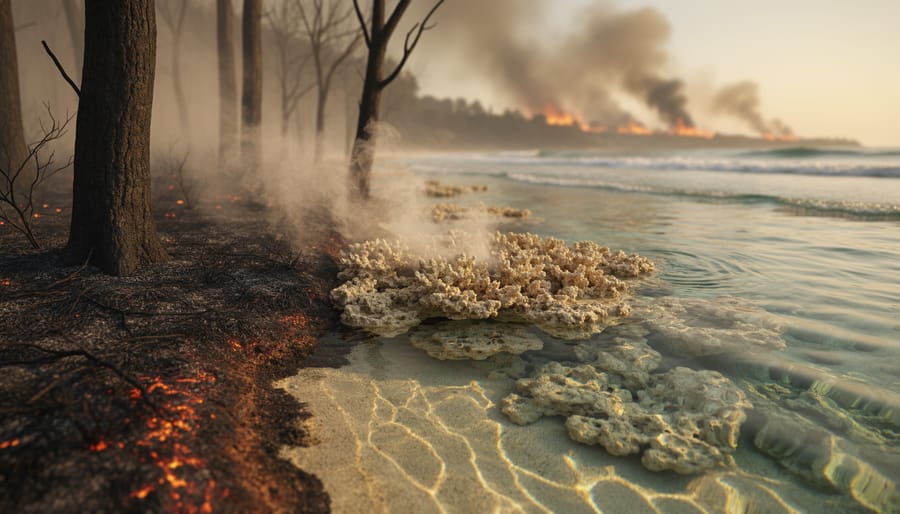

The planet’s rising temperature is reshaping every natural system we depend on, and the evidence surrounds us daily. From catastrophic wildfires scorching millions of acres to coral reefs losing their vibrant colors, global warming is no longer a distant threat but a present reality transforming ecosystems, water supplies, and weather patterns across continents.
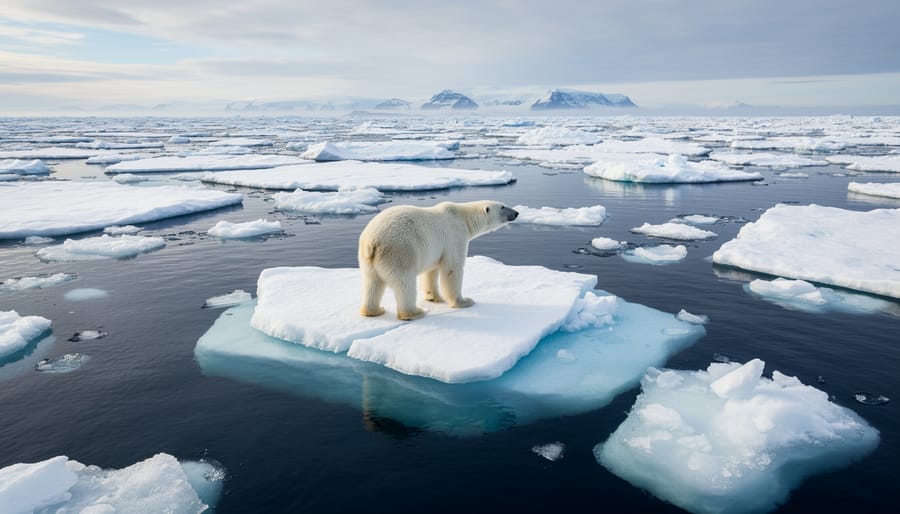
Right now, in 2026, we’re witnessing changes that scientists predicted decades ago accelerating faster than expected. Arctic ice continues its retreat, sea levels creep higher along coastlines, and extreme weather events have become the new normal. These aren’t abstract statistics. They represent forests struggling to survive, communities facing water shortages, and wildlife forced to adapt or relocate as their habitats fundamentally change.
Understanding these environmental impacts isn’t about doom and gloom, though. It’s about recognizing what’s happening so we can respond effectively. Young people especially are leading innovative solutions, from developing breakthrough renewable technologies to pushing for bipartisan climate policies that prioritize both environmental protection and economic growth.
The warming climate operates through interconnected systems. As greenhouse gases trap heat in our atmosphere, that energy doesn’t just disappear. It intensifies droughts in some regions while triggering floods in others. It alters ocean chemistry, disrupts migration patterns, and creates conditions where wildfires spread with unprecedented ferocity.
What follows is a clear-eyed look at the specific ways global warming is changing our environment today, backed by observable data and real-world examples. More importantly, we’ll explore the pathways forward that unite people across political divides around practical, achievable solutions.
The Direct Link: How Global Warming Changes Our Climate Systems
Global warming heats the planet’s surface by trapping extra energy in the atmosphere, and that warming doesn’t just make things hotter. It rewires the entire climate system. When temperatures rise, they set off a chain reaction that touches every aspect of how weather works, how water moves through the environment, and how natural cycles operate.
Think of Earth’s climate as a massive, interconnected engine where temperature drives nearly everything else. Warmer air holds more moisture, which changes where, when, and how much rain or snow falls. Some regions get drenched with intense downpours, while others see rainfall patterns shift away entirely. The American West and Canada’s southern Prairies already face more severe water shortages as climate change reshapes precipitation across North America.
The warming also disrupts natural water storage systems that have regulated seasonal water flow for thousands of years. Snowpack in mountain ranges melts earlier and faster, reducing the slow, steady water release that communities and ecosystems depend on during dry months. Glaciers that have fed rivers for millennia are receding, threatening long-term water supplies. These aren’t distant future scenarios. Climate change is happening now, and ecosystems and people in the United States and around the world are affected by the ongoing process of climate change today.
Perhaps most concerning, warmer temperatures are causing droughts to develop faster than before, creating what scientists call flash droughts that catch communities off guard. The speed of these changes means less time to prepare and adapt.
Water Under Pressure: Drought and Water Scarcity Impacts
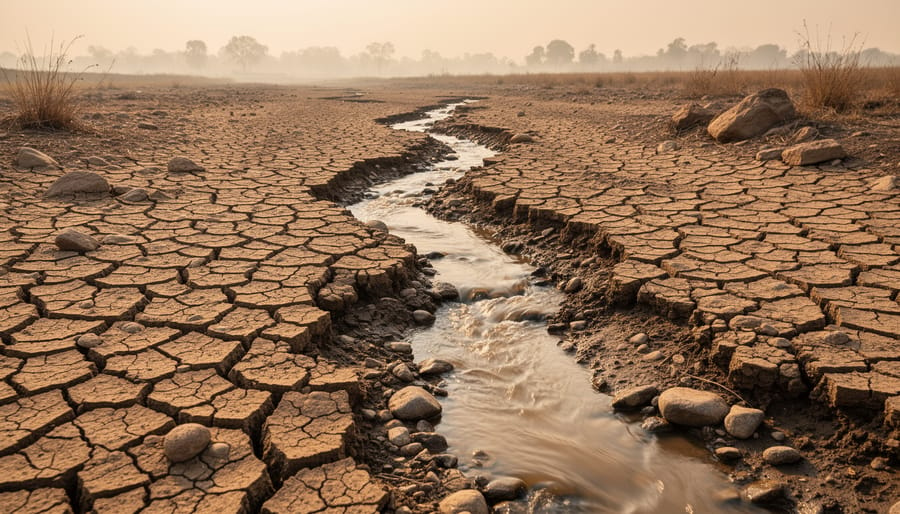
Water scarcity is one of the most immediate ways global warming affects the environment right now. When temperatures rise, water evaporates faster from lakes, rivers, and soil. Plants also pull more water from the ground to cope with heat stress. The result? Drier conditions that threaten water supplies for communities, agriculture, and natural ecosystems.
Precipitation patterns are shifting too. Some regions receive less rainfall overall, while others see it arrive in intense bursts that run off rather than soaking into soil. This means even areas with normal rainfall totals face water shortages because the timing and distribution have changed. The southern Prairies and interior British Columbia already struggle with these shifts, where climate change is increasing both the risk and severity of droughts.
Snowpack and glaciers, which act as natural water storage systems for many regions, are particularly vulnerable. Mountains store water as snow through winter, releasing it gradually during warmer months when people and ecosystems need it most. As temperatures climb, less precipitation falls as snow, and what does accumulate melts earlier. Glaciers that have provided reliable summer water flow for centuries are receding, reducing the water they can supply to rivers downstream.
Flash droughts represent a newer threat. Unlike traditional droughts that develop over months or years, these events intensify within weeks. Rapid evaporation driven by heat waves, combined with little rainfall and hot, dry winds, can transform normal conditions into severe drought surprisingly fast. This speed leaves communities, farmers, and water managers with minimal time to respond.
These mechanisms work together, creating compounding pressures on water systems. A region might face reduced snowpack feeding its rivers, higher evaporation rates from reservoirs, changed rainfall patterns, and occasional flash droughts all within the same year. The Canadian Climate Institute notes that these changes are making droughts more frequent and severe globally, with the trend expected to continue through 2026 and beyond. Understanding these specific impacts shows exactly how global warming affects the environment’s water resources today.
Ecosystems in Transition: How Natural Systems Respond
Natural systems respond to global warming with a cascade of changes that ripple through entire ecosystems, reshaping everything from flowering times to food webs. These aren’t theoretical shifts decades away; they’re visible now in forests, wetlands, and grasslands across North America.
Ecosystems and people in the United States and around the world are affected by the ongoing process of climate change today.
Rising temperatures are pushing growing seasons to start earlier each spring and extend later into fall. While that might sound positive, it creates mismatches that disrupt ecological timing. Migrating birds arrive to find that peak insect populations have already passed. Plants bloom before their pollinators emerge. These timing shifts stress wildlife populations that evolved to depend on synchronized seasonal cues.
Species are also moving to track their temperature comfort zones, with many shifting to higher elevations or poleward. Some forests in Canada now host tree species that were historically limited to more southern ranges. Marine ecosystems face similar pressures as warming ocean temperatures push fish stocks into cooler waters, affecting both the species themselves and the coastal communities that depend on them.
The physical stress on ecosystems extends beyond temperature alone. Warmer conditions intensify water stress on vegetation, making plants more vulnerable to disease and pest outbreaks. Forests weakened by drought and heat become less resilient, which compounds agriculture impacts as changing precipitation patterns affect crop viability in traditional farming regions.
These ecosystem transitions create real challenges for human communities too. Indigenous peoples who rely on traditional hunting and fishing grounds face disrupted wildlife patterns. Rural economies dependent on specific forest products or tourism built around predictable wildlife migrations must adapt. Understanding these ecosystem responses helps us anticipate the adjustments both natural systems and human communities will need to make in 2026 and beyond.
Wildfire and Extreme Weather: The New Environmental Reality
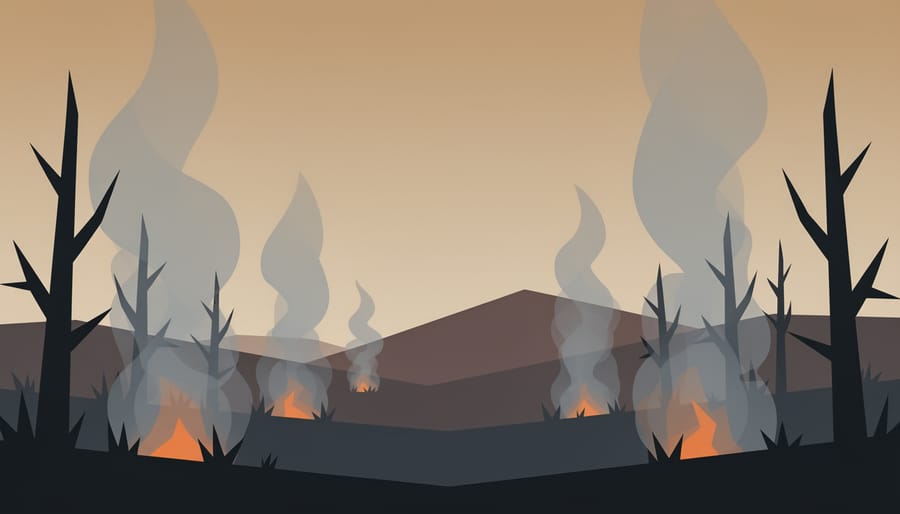
Global warming creates a dangerous feedback loop that turns forests and grasslands into tinderboxes. Warmer temperatures draw more moisture from soil and vegetation, leaving plants stressed and dried out. When everything from trees to grasslands becomes this parched, fires ignite more easily and spread faster. The drier conditions also extend fire seasons, giving blazes more opportunities to start and burn longer than they did in previous decades.
This connection between warming and wildfire risk isn’t theoretical. In British Columbia and across western regions of Canada, communities face longer fire seasons and more intense burns that threaten homes, wildlife habitat, and forests that normally help absorb carbon dioxide. The smoke from these fires travels hundreds of miles, creating serious air quality effects for people far from the flames themselves.
Beyond wildfires, global warming intensifies extreme weather across the board. Warmer air holds more moisture, which means storms can dump heavier rainfall in shorter periods, overwhelming drainage systems and causing flash flooding. At the same time, the shifts in precipitation patterns that create drought in some areas produce more severe downpours elsewhere, swinging between water scarcity and destructive deluges.
Heat waves also become more frequent and last longer as baseline temperatures climb. These extended periods of extreme heat stress both natural systems and human infrastructure, from power grids to transportation networks.
The patterns we’re experiencing in 2026 show how global warming doesn’t just change average conditions. It amplifies extremes, making both dry periods drier and wet events wetter, while creating conditions where disasters compound each other’s impacts on communities and ecosystems.
What Young People Can Do: Solutions We’re Building Together
Young people across political divides are leading the shift toward practical climate solutions that create jobs and protect our environment. From conservative rural communities building wind farms to progressive urban centers installing rooftop solar arrays, renewable energy projects now attract support based on economic benefits rather than political ideology. Understanding solar panel basics empowers you to evaluate clean energy opportunities in your own community, whether that means advocating for school solar installations or exploring career paths in a sector that added over 300,000 jobs across North America in recent years.
The environmental impacts we’ve explored demand action, but they also reveal genuine economic opportunities. Clean energy careers span manufacturing, installation, engineering, and project management, with many positions requiring only technical certification rather than four-year degrees. Meanwhile, student climate action initiatives demonstrate how young individuals drive change by focusing on shared environmental goals rather than partisan talking points.
Here’s how you can contribute to solutions right now:
- Support local renewable energy projects through community meetings and public comment periods
- Join or start campus sustainability initiatives that reduce emissions and lower operating costs
- Explore clean energy career pathways through technical programs, internships, and apprenticeships
- Bridge political divides by emphasizing economic benefits and energy independence in climate conversations
The key is recognizing that addressing environmental impacts from global warming creates tangible benefits regardless of your political background. Energy independence strengthens national security. Clean energy manufacturing revitalizes local economies. Protecting water resources and ecosystems preserves both recreation opportunities and agricultural productivity. When you frame climate action around these shared priorities, you build coalitions that transcend traditional political boundaries and deliver real results for communities facing drought, wildfires, and ecosystem disruption.
The environmental impacts we’ve explored aren’t distant threats, they’re reshaping ecosystems, water systems, and weather patterns right now in 2026. Understanding how global warming affects the environment gives us the clarity we need to build effective solutions. The good news? We’re not starting from scratch. Renewable energy initiatives are already creating thousands of jobs while reducing emissions, and communities across every political perspective are finding common ground in practical climate action.
You don’t need to pick a side to care about clean water, stable food systems, or thriving ecosystems. Young people are leading the charge by supporting bipartisan policies that protect our environment and strengthen our economy simultaneously. Whether you’re advocating for local renewable energy projects, choosing sustainable options in your daily life, or simply staying informed about environmental changes, you’re contributing to solutions that benefit everyone.
The path forward combines urgency with optimism. We understand the mechanisms driving environmental change, we’re witnessing the impacts firsthand, and we have proven technologies ready to scale. The question isn’t whether we can address these challenges, it’s how quickly we’ll seize the economic and environmental opportunities that climate solutions offer.