

Every night, artificial light floods the sky above our cities, suburbs, and even rural areas. What most people don’t realize is that this glow isn’t just blocking our view of the stars. It’s fundamentally disrupting ecosystems, throwing off wildlife behavior, and contributing to broader environmental challenges that affect us all.
Light pollution has tripled in some regions since 2000, and in 2026, roughly 80% of the global population lives under light-polluted skies. This isn’t merely an aesthetic problem for astronomers. Artificial light at night interferes with natural cycles that countless species have relied on for millions of years.
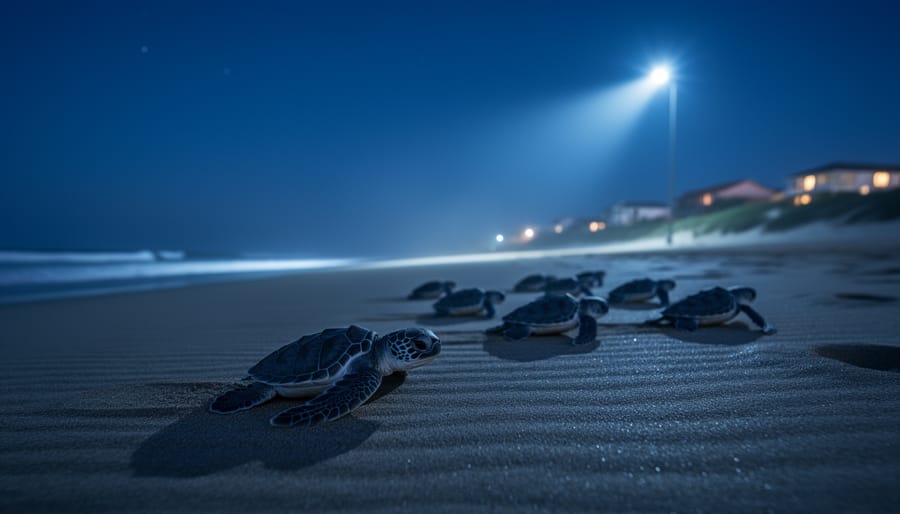
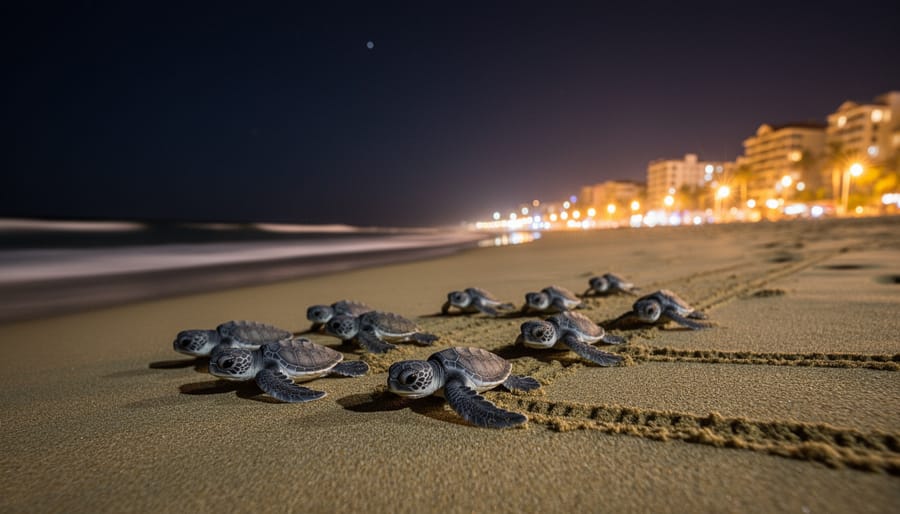
Nocturnal animals struggle to hunt, migrate, and reproduce when their darkness is stolen. Sea turtle hatchlings, guided by moonlight to the ocean, instead crawl toward coastal streetlights and die. Millions of birds collide with illuminated buildings during migration. Insects, drawn to artificial lights, abandon their roles as pollinators and prey, creating cascading effects throughout food webs.
The consequences extend to human health and climate, too. Excessive outdoor lighting wastes enormous amounts of energy, much of it still generated from fossil fuels. This unnecessary consumption adds carbon emissions while disrupting our own circadian rhythms, potentially increasing risks of sleep disorders and other health issues.
Here’s the encouraging part: light pollution is one of the most reversible environmental problems we face. Simple solutions like shielding fixtures, using warmer color temperatures, and turning off unnecessary lights can make an immediate difference. Young advocates and communities across the political spectrum are already pushing for smarter lighting policies that protect both our environment and our night skies. Understanding how light pollution harms ecosystems is the first step toward reclaiming the darkness our planet needs.
What Is Light Pollution and Why Does It Matter?
Light pollution is unwanted, inappropriate, or excessive artificial light. While many people associate it mainly with blocked views of stars, the environmental impacts run much deeper. This excess light disrupts the natural rhythms that plants and animals depend on, alters ecosystems, and wastes energy that contributes to climate change.
Understanding the different forms of light pollution helps explain why this matters beyond astronomy:
- Sky Glow
- The bright haze over populated areas that blocks out stars and disrupts natural darkness across entire regions.
- Glare
- Excessively bright light that causes visual discomfort and can temporarily blind drivers or pedestrians.
- Light Trespass
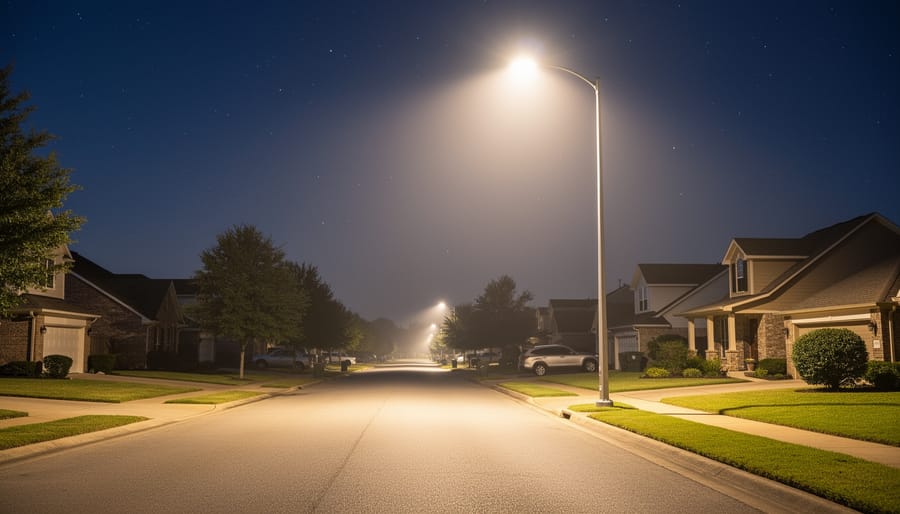
- Unwanted light spilling into areas where it serves no purpose, such as streetlights shining into bedroom windows.
- Clutter
- Excessive groupings of bright, confusing light sources, common in over-lit commercial areas.
Each type affects wildlife behavior, human health, and environmental quality in distinct ways. Scientific evidence shows that artificial light at night has negative and deadly effects on many creatures, including amphibians, birds, mammals, and insects. Research documents the importance of low-light conditions in 136 animal species, revealing that darkness is essential to all living things on Earth.
When outdoor lighting is not responsibly designed, it uses more energy than necessary, increases light pollution, creates discomfort for people, and negatively impacts wildlife and ecosystems. This makes light pollution both a biodiversity crisis and a climate issue. The good news is that unlike many environmental challenges, light pollution can be reversed quickly through better lighting practices and technology, creating immediate benefits for both nature and communities.
How Light Pollution Disrupts Wildlife and Ecosystems
The Critical Role of Darkness for Living Things
Darkness is essential to all living things on Earth. For millions of years, species evolved to depend on the predictable cycle of day and night, using darkness as a biological cue for fundamental life processes. When artificial light intrudes on this natural rhythm, it throws off the internal clocks that govern when animals sleep, hunt, reproduce, and migrate.
Circadian rhythms control far more than just sleep schedules. These biological timekeepers regulate hormone production, metabolism, immune function, and behavior in virtually every species. Research shows that artificial light at night disrupts sleep in free-living animals altering their activity patterns and reducing their ability to recover from daily stresses. Nocturnal animals that rely on darkness for protection from predators find themselves exposed, while species that hunt by moonlight lose their competitive advantage when artificial lights wash out natural illumination.
Breeding cycles suffer particularly dramatic impacts. Many amphibians, insects, and birds time their mating behaviors to specific light conditions. Frogs call for mates under dark skies, fireflies use bioluminescent signals that get lost in urban glow, and sea turtle hatchlings navigate toward the ocean by following natural light from the horizon. When artificial lights interfere, breeding success plummets and populations decline.
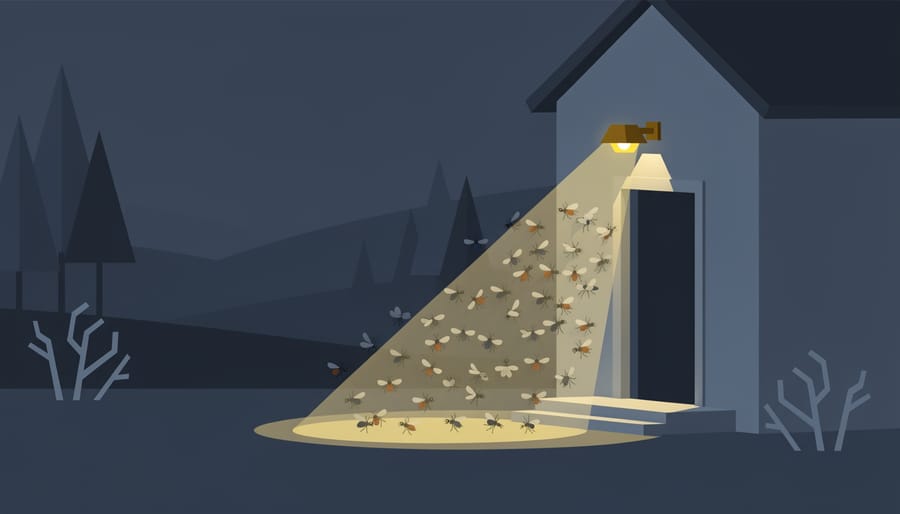
Feeding behaviors shift in equally damaging ways. Bats that hunt insects at dusk may avoid brightly lit areas, leaving pest populations unchecked. Moths drawn to streetlights become easy prey or exhaust themselves circling bulbs instead of pollinating plants. These disruptions ripple through entire food webs, affecting predators and prey alike.
Migration, Navigation, and Survival Challenges
Every year, millions of migratory birds navigate thousands of miles guided by stars and natural light cues. Artificial light disrupts these ancient navigation systems, leading to deadly collisions with illuminated buildings and towers. Research shows that light pollution affects more than 136 species that depend on low-light conditions for survival, with birds and sea turtles among the most visibly impacted.
Newly hatched sea turtles instinctively crawl toward the brightest horizon, which naturally should be the moonlit ocean. Coastal lighting confuses these hatchlings, drawing them inland toward streets and buildings instead of the sea. Many die from dehydration, predation, or vehicle strikes before they ever reach the water. This represents a conservation crisis for already vulnerable turtle populations.
Birds face similar disorientation during migration. Artificial light attracts migrating birds, particularly on foggy or cloudy nights when natural navigational cues are obscured. They circle illuminated structures until exhausted, collide with windows and buildings, or become easy prey. Cities along major migration routes can see thousands of bird deaths during peak migration periods, with some estimates suggesting hundreds of millions of birds die annually from light-induced collisions in North America alone.
These navigation failures create ripple effects throughout ecosystems. When species cannot complete migrations, breeding populations suffer. Predator-prey relationships shift. Food webs become disrupted. The loss of even one species affects countless others that depend on it for pollination, seed dispersal, or nutrient cycling. Light pollution does not just harm individual animals; it destabilizes the ecological networks that sustain environmental health across regions.
Beyond Wildlife: Human Health and Environmental Quality
Excessive artificial light in cities doesn’t just harm wildlife. It degrades environmental quality for humans in ways we’re only beginning to fully understand.
Overexposure to artificial light at night disrupts our circadian rhythms, the internal biological clock that regulates sleep, hormone production, and cellular repair. When our bodies receive light signals during hours that should be dark, melatonin production drops, which can lead to sleep disorders, fatigue, and decreased immune function. Research links chronic exposure to artificial light at night with increased risks of certain cancers, obesity, diabetes, and cardiovascular issues. These health impacts disproportionately affect shift workers and people living in heavily lit urban areas, yet they affect nearly everyone in developed nations to some degree.
Beyond measurable physiological effects, light pollution erodes something harder to quantify but equally important: our connection to the natural night sky. For most of human history, a star-filled sky was a universal experience that shaped art, culture, navigation, and our understanding of our place in the cosmos. Today, 80% of the world’s population lives under light-polluted skies. An entire generation is growing up without experiencing true darkness or the Milky Way visible overhead.
This loss affects environmental quality in wilderness areas too. National parks and protected lands face “skyglow” from distant cities, diminishing the experience of natural darkness that should define these spaces. When we lose access to dark skies, we lose part of our relationship with the natural environment, making it harder to recognize our responsibility to protect it. Restoring darkness isn’t just about preserving astronomy. It’s about maintaining the environmental conditions that support both human well-being and ecological health.
The Energy Waste Connection: Light Pollution and Climate Action
Every outdoor light blazing unnecessarily adds to global warming while accomplishing nothing for safety or visibility. About one-third of outdoor lighting in developed countries shines upward or sideways rather than where it’s needed, directly wastes energy and harms ecosystems. That wasted electricity translates to millions of tons of carbon dioxide emissions annually, comparable to the output of entire coal plants running year-round.
The economics make the environmental case even stronger. Municipalities spend billions powering poorly designed streetlights that illuminate tree canopies instead of sidewalks. Retrofitting these systems with shielded fixtures and modern controls cuts energy use by 40 to 60 percent while improving actual visibility for pedestrians and drivers. Those savings fund themselves through reduced electricity bills within a few years, then continue delivering benefits for decades.
Renewable energy makes this connection even more powerful in 2026. Solar-powered pathway lights and motion-sensor systems eliminate grid dependence entirely while preventing the habitat disruption and light trespass that harm nocturnal species. The shift toward responsible outdoor lighting creates jobs in electrical retrofitting, smart technology installation, and sustainable infrastructure design. Young workers entering these fields help communities reduce their carbon footprints while building careers in the growing clean energy sector.
Every fixture we shield, every timer we install, and every unnecessary light we eliminate represents energy we never have to generate. That’s climate action with immediate, measurable results, accessible to anyone regardless of their political perspective or technical expertise.
Solutions That Work Across the Political Spectrum
Addressing light pollution doesn’t require choosing between environmental protection and practical concerns. Communities across the country are discovering that responsible outdoor lighting delivers benefits everyone can support: lower energy bills, enhanced public safety, preserved dark skies, and protected wildlife.
Responsible lighting design starts with directing light downward where it’s needed rather than upward into the sky. Shielded fixtures that prevent light from escaping horizontally or upward reduce glare, improve visibility, and cut energy waste by up to 60%. Municipalities that retrofit streetlights with modern, fully-shielded LED fixtures often see immediate returns through reduced electricity costs and maintenance expenses. These upgrades create local jobs in installation and electrical work while slashing carbon emissions from unnecessary energy consumption.
Motion sensors and timers offer another common-sense solution. Lighting that activates only when needed provides security without flooding areas with constant illumination. Parks, parking lots, and residential developments using smart controls report lower operating costs alongside improved wildlife protection. The technology pays for itself while addressing environmental concerns.
Communities can adopt International Dark-Sky Association lighting standards that balance safety with environmental responsibility. These guidelines help cities preserve night skies and protect ecosystems without compromising security. Towns implementing dark-sky ordinances have documented economic benefits from ecotourism while maintaining or improving public safety statistics.
Individual action matters too. Homeowners switching to warm-spectrum bulbs (3000 Kelvin or lower), installing motion-activated porch lights, and using timers for decorative lighting reduce their environmental footprint and energy bills simultaneously. Pointing landscape lighting downward rather than upward preserves your view of the stars while maintaining curb appeal.
In 2026, federal infrastructure funding offers opportunities for communities to upgrade outdoor lighting systems. Young advocates can engage local leaders by framing light pollution solutions as job-creating, cost-saving environmental wins. Attending city council meetings, sharing success stories from neighboring towns, and connecting with local conservation groups builds momentum for change.
The path forward combines smart technology, thoughtful design, and community engagement. When we recognize that responsible lighting protects both our economy and our environment, solutions become clear and achievable.
The question of how light pollution affects the environment isn’t just an abstract concern, it’s an urgent challenge with solutions at our fingertips. Young people are uniquely positioned to drive meaningful change on this issue, whether through community advocacy, local policy engagement, or leading by example with responsible lighting practices in their own neighborhoods. When students campaign for environmental protections, they demonstrate that age doesn’t limit impact.
What makes light pollution particularly solvable is its immediate, visible results. Switching to responsible outdoor lighting reduces energy waste tonight, protects wildlife habitats immediately, and cuts carbon emissions from the first moment of implementation. These aren’t distant goals requiring decades of negotiation, they’re changes communities can measure within weeks.
This issue transcends political divisions because everyone values safety, economic efficiency, and environmental stewardship. Whether you approach it from a conservation angle, an energy savings perspective, or a public health priority, responsible lighting delivers benefits that matter across the spectrum.
Start where you are. Audit your home’s outdoor lighting. Attend a local planning meeting. Share what you’ve learned about wildlife impacts with neighbors. Connect light pollution solutions to the broader climate action you’re already pursuing. Each step builds momentum, and collectively, these efforts restore darkness where it belongs, protecting the natural rhythms that all life on Earth depends on.