
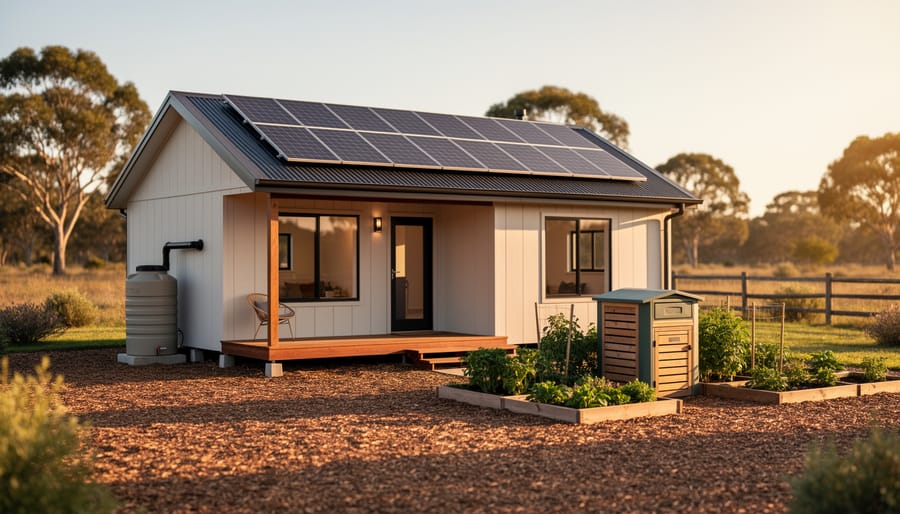

Modern off grid living means running a home on its own power, water, and waste systems instead of relying on public utilities. Solar panels, battery storage, rainwater collection, and composting or septic setups do the work that power lines, water mains, and sewers do for everyone else. Today’s versions are a far cry from the rustic cabin stereotype. They can be comfortable, connected, and surprisingly ordinary to live in.
The appeal cuts across the usual lines. Some people want lower bills. Others want resilience when storms knock out the grid, or a lighter footprint, or simply more control over where their energy comes from. Farmers, remote workers, retirees, and a growing number of young people building their first homes are all finding common ground here, because the practical benefits don’t belong to any one side of the conversation.
This article walks through how off-grid systems actually work, from power to water to waste, the main components involved, and how real households are putting them to use.
Getting that balance right is a skill anyone can learn, and it’s within reach of more people than ever.
What Modern Off-Grid Living Actually Means
Off-grid living means supplying your own power, water, and waste systems instead of relying on public utility lines. That sounds rugged, but the modern version looks very different from the stereotypical cabin in the woods. Today’s off-grid homes often have reliable electricity, hot showers, fast internet, and the same appliances you’d find in any suburban kitchen. The difference is where it all comes from. If you’re curious about how this plays out in a specific climate, there’s a helpful look at off-grid living in Canada where long winters make smart planning essential.
A few terms come up again and again, so here they are in everyday language:
- Off-grid
- A home that produces and manages its own energy and water without connecting to public utilities.
- Grid-tied
- A home connected to the public power grid, even if it also has solar panels on the roof.
- Hybrid system
- A setup that blends your own power and storage with a grid connection as a safety net.
- Energy independence
- The ability to meet most or all of your energy needs yourself, whether or not you’re fully disconnected.
- Microgrid
- A small, local power network that can serve a few homes or a whole community, sometimes running separately from the main grid.
- Net metering
- An arrangement where extra power from your solar panels flows back to the grid and earns you credits on your bill.
Notice that off-grid isn’t an all-or-nothing choice. It’s a spectrum. At one end are fully independent homesteads. In the middle are hybrid homes that lean on the grid only when needed. At the lighter end are “grid-light” households that simply generate and store enough power to ride out outages and trim their bills.
That flexibility is a big reason the idea resonates with such a mix of people. Some want resilience when storms knock out power. Others want tighter control over costs, a stronger sense of independence, or a way to live in line with their environmental values. Whatever the motivation, the appeal tends to cross political lines.
Why More People Are Exploring Off-Grid Living Now
A decade ago, going off the grid usually meant a big sacrifice. Today, a handful of practical shifts have made it a realistic option for far more people. Here are the main forces behind the trend:
- Solar panels and home batteries cost much less than they once did, so clean power is within reach for ordinary budgets.
- Remote and hybrid work means many people no longer need to live near an office, or a city.
- Outages and extreme weather have made backup power and water feel like common sense rather than a niche hobby.
- Many people want more control over their bills, their resources, and how they spend their time.
- Neighbors, friends, and online communities are sharing tips, tools, and encouragement along the way.
Take the first two together and you can see why interest has grown so quickly. When the equipment gets cheaper and your job travels with you, a quiet piece of land stops sounding like a dream and starts looking like a plan.
Resilience matters just as much. After a few storms, heat waves, or long blackouts, plenty of households have asked the same simple question: what if we could keep the lights on ourselves? Wanting that kind of security isn’t a left or right idea. A rancher worried about winter ice storms and a city renter dreaming of a tiny solar-powered cabin may vote differently, but they land in a similar place on self-reliance and good stewardship of the land.
Young people are playing a big part. Many are mixing practical skills with creativity: building tiny homes, wiring up solar on a weekend, sharing step-by-step videos, or turning a family plot into a small energy-smart homestead. They’re not waiting for perfect conditions, either. Plenty start small with a portable power station or a rain barrel, then build up as they learn.
That flexibility is a big part of the appeal. You don’t have to disconnect from everything overnight. You can take one step at a time, at a pace that fits your life.
How an Off-Grid Home Works: Power, Water, and Waste
Making and Storing Your Own Power
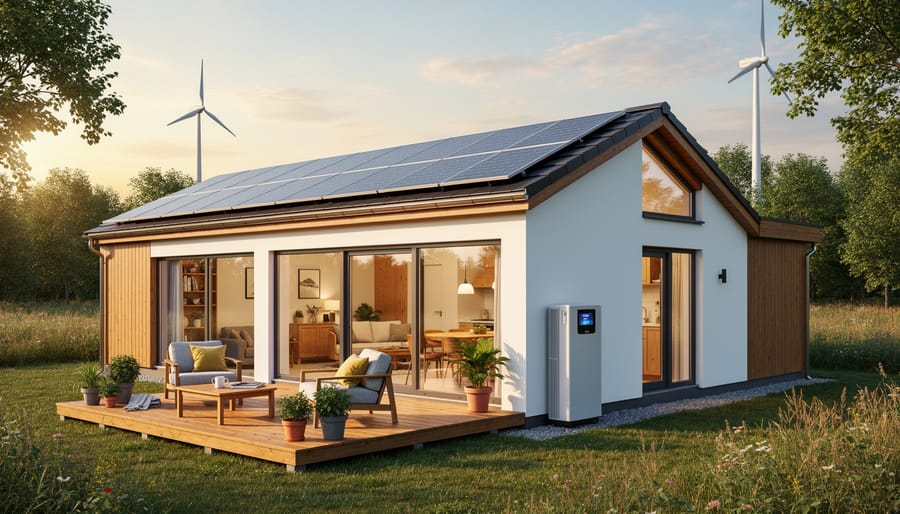
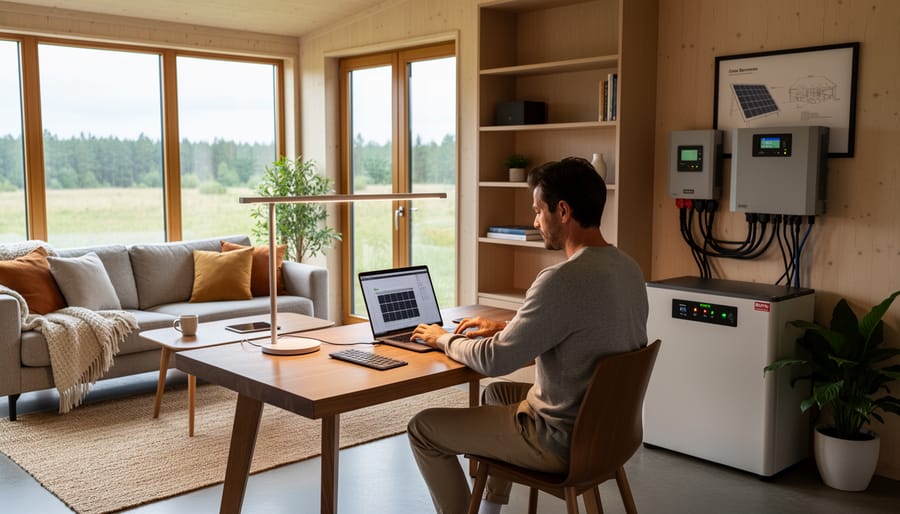
Think of an off-grid power system as a small, personal utility with three jobs: make electricity, store it, and use it wisely. Solar panels are the usual starting point. If you’re curious about how solar panels work the short version is that they turn sunlight into direct current electricity, which an inverter converts into the power your outlets expect.
Sun isn’t the only option, and it often works best as part of a mix. Small wind turbines can pick up the slack on gray, breezy days, while micro-hydro, a modest turbine in a nearby stream, can run around the clock if you have flowing water. Pairing a couple of these sources smooths out the gaps, since the wind often blows when the sun doesn’t. Exploring the full range of renewable energy resources can help you match your setup to your land and climate.
Batteries are what make it all work after dark. They hold the extra power your system produces during the day, so lights, fridges, and laptops keep running at night or during a cloudy week. Modern lithium batteries are compact, long-lasting, and easier to maintain than older lead-acid types.
Many households add a backup generator, often propane or biodiesel, for rare long stretches of bad weather. The cheapest power, though, is the power you never need. LED lighting, efficient refrigerators, and heat pump appliances shrink your demand, which means a smaller, more affordable system.
Water, Heating, and Waste Solutions
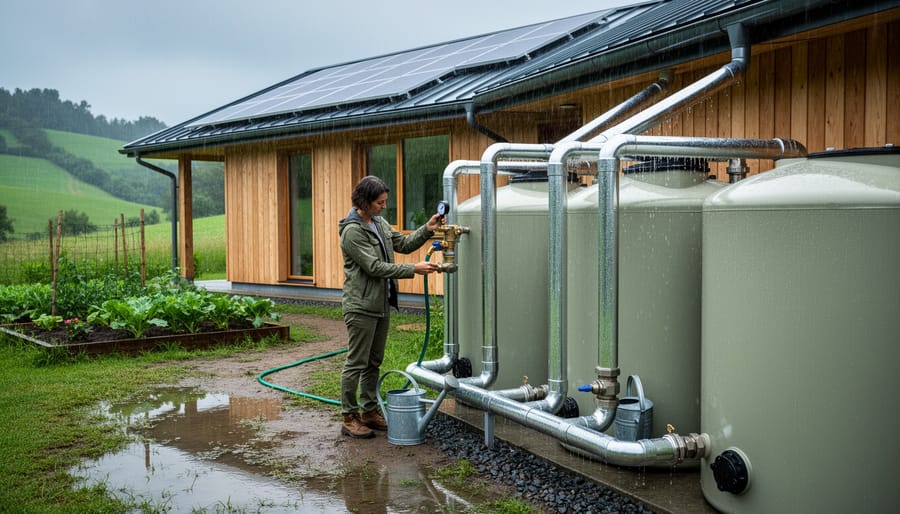
Water is the next piece of the puzzle, and there are a few well-worn ways to get it. Many households collect rainwater from the roof into storage tanks, then run it through sediment filters and a disinfection step like UV light before it reaches the tap. Others drill a well and add a solar-powered pump. Some people haul water from a spring or a nearby source. The right choice depends on your rainfall, groundwater, and what’s legal where you live.
Keeping warm and cool takes less energy than most people expect when the house is built smartly. Good insulation, south-facing windows, and thermal mass like a stone or concrete floor hold steady temperatures. For heat, wood stoves, rocket mass heaters, and efficient heat pumps powered by solar are all popular. In hot climates, shade, cross-breezes, and earth-sheltered designs can cut cooling needs dramatically.
Waste handling has become surprisingly simple. Composting toilets turn human waste into soil-safe material without using water, which also stretches your supply. Greywater from sinks and showers can be filtered and reused to irrigate gardens, while septic systems or constructed wetlands treat the rest. Food scraps go into compost, and many households work hard to cut trash before it starts.
One thing to keep in mind is that rules differ widely. Some areas welcome rainwater harvesting and composting toilets, while others require permits or inspections. A quick call to your local health or building office early on saves headaches later, and neighbors who’ve done it before are often happy to share what worked.
Who Is Living Off the Grid Today and What It Looks Like
Modern off-grid living shows up in far more places than most people expect. Full-time homesteads are the classic picture, but they’re just one version. Tiny homes on wheels or small foundations are popular with young people who want low costs and a lighter footprint. Off-grid cabins serve as weekend retreats or year-round homes. Some remote workers set up solar-powered backyard offices or studios, trading a long commute for reliable power and a good internet link.
Working land is part of the story too. Farmers and ranchers use solar pumps to water livestock, run electric fencing, and keep cold storage going without paying to extend power lines across miles of field. Some families blend approaches, staying connected to the grid for backup while producing most of their own electricity and water. That hybrid path is common, and it’s a perfectly good way to begin.
Community-scale projects are growing as well. Small microgrids let neighbors share solar and battery storage, so a rural town or a cluster of homes can keep lights and refrigeration running when the wider grid goes down. That kind of resilience matters more as communities deal with severe storms and the effects of wildfires and air quality concerns that can disrupt power and daily life.
These projects also build skills and local opportunity. Installing solar, wiring batteries, building rainwater systems, and maintaining equipment all call for trained hands. Young people are learning these trades and often bringing creativity and fresh ideas to rural areas that need both. Families trade know-how, local installers find steady work, and neighbors across the political spectrum often find common ground in practical goals like independence, savings, and stewardship.
What to Weigh Before Going Off-Grid
Going off-grid is less about a single big leap and more about a series of smart decisions. Thinking through a few key areas early can save money, time, and frustration later.
Upfront costs are often the first thing people notice. Solar panels, batteries, water systems, and land or site preparation add up, though prices for solar and storage have dropped enough to make many setups realistic. Many people phase their projects, starting with the essentials and expanding as budgets allow. It also helps to compare that investment against years of utility bills.
Local rules and permits vary widely. Some areas welcome off-grid homes, while others have building codes, septic requirements, or limits on rainwater collection. A quick conversation with your county or town office before you buy land or equipment can prevent costly surprises.
Climate and site conditions shape what works. A sunny desert, a cloudy coastline, and a snowy mountain each call for different choices, from panel placement to heating plans. Spending a full year of seasons on a property, if you can, reveals a lot.
Maintenance skills matter too. Batteries need monitoring, filters need changing, and systems occasionally need troubleshooting. The good news is that learning is easier than ever through workshops, online tutorials, and neighbors who have done it before. Community knowledge-sharing is one of off-grid living’s quiet strengths.
Lifestyle adjustments round things out. Living within your energy budget can mean running big appliances in daylight or rethinking daily routines.
If the full commitment feels like a lot, a hybrid system is a perfectly valid first step. Staying connected to the grid while adding solar and batteries lets you build confidence and experience at your own pace.
Common Questions About Modern Off-Grid Living
Curious about the practical side? Here are the questions people ask most often.
Is off-grid living legal?
In most places, yes, but rules vary by location. Zoning, building codes, and water or waste regulations differ, so check with your local authority before you commit to a site.
How much does it cost?
It depends on the size of your home and the systems you choose. Upfront costs for solar, batteries, and water systems can be significant, though many people find that lower monthly utility bills help offset them over time.
Is it truly sustainable?
It can be, especially when you use renewable energy, conserve water, and keep your overall consumption modest. The impact depends on the choices you make, not just on being off the grid.
Can I still get internet access?
Yes. Satellite and cellular options make reliable internet possible in many remote locations, which is a big reason remote workers are exploring this lifestyle.
And if you’re not ready to go all in, a hybrid setup still counts as a meaningful step toward energy independence.
Modern off-grid living isn’t about walking away from society. It’s about taking more control over the basics: power, water, and waste. With affordable solar, better batteries, and smarter home design, that control is within reach for far more people than ever before, whether you go fully off-grid or simply add a bit more independence to the life you already have.
What makes this movement hopeful is who it brings together. Self-reliance and stewardship aren’t red or blue values. Rural homeowners, climate-minded students, and small-town leaders can all find common ground in systems that cut costs, strengthen communities, and keep the lights on when storms hit. Young people are already leading the way with fresh ideas and a willingness to learn by doing.
You don’t need to buy land or build a homestead to begin. Start small. Read up on local rules, try a solar charger, talk with neighbors who’ve done it. Every step builds skill and confidence, and your community is a good place to start.