



The UN Framework Convention on Climate Change is the foundational 1992 treaty that created the global architecture for climate cooperation, bringing together 198 countries to stabilize greenhouse gas concentrations and prevent dangerous interference with Earth’s climate system. It’s the parent agreement that gave rise to the annual Conference of the Parties (COP) meetings, the Kyoto Protocol, and the Paris Agreement. For Canadian youth and climate advocates, understanding how this framework operates matters more than ever as COP31 convenes in Antalya, Türkiye, from November 9 to 20, 2026, with a focused agenda on accelerating climate action, advancing a just transition, and increasing investment in clean energy and affordable climate finance.
This isn’t bureaucratic paperwork. The UNFCCC is the mechanism through which countries negotiate binding commitments, share climate solutions, and unlock billions in green investment. It’s where Canada’s climate priorities get championed on the world stage and where youth voices can shape renewable energy policy. As countries gather this month to strengthen cooperation and resilience to climate impacts, the framework offers tangible pathways for Canadians to influence outcomes: from observer status that grants direct access to negotiations, to collaborating with national delegations that represent diverse political perspectives united by climate science.
The power of the UNFCCC lies in its universality. Conservative and progressive governments alike participate because climate stability serves everyone’s economic and security interests. For young Canadians seeking careers in clean energy or sustainable development, grasping how this treaty works opens doors to meaningful engagement at exactly the moment when international climate architecture is accelerating rather than stalling.
The UN Framework Convention on Climate Change: Foundation of Global Climate Action
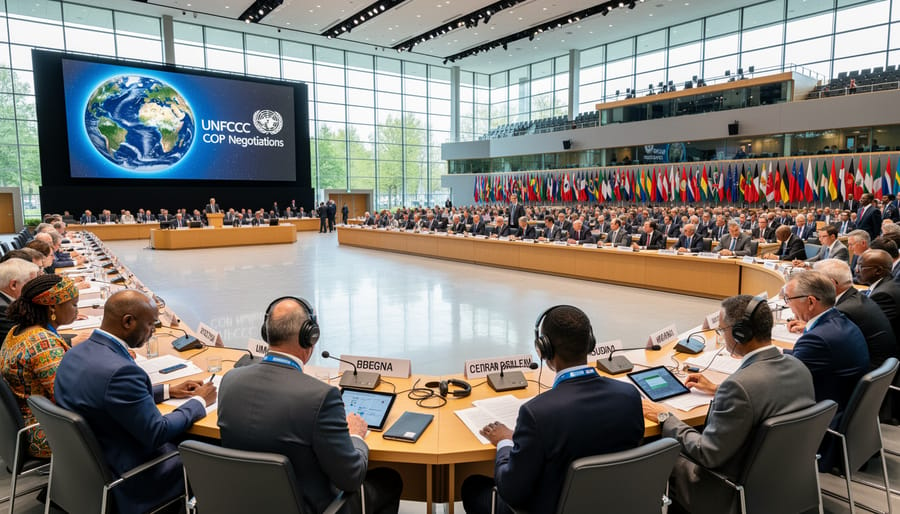
The UN Framework Convention on Climate Change is an international treaty that brought the world together to tackle rising global temperatures. Born at the Earth Summit in Rio de Janeiro in 1992 and entering into force in 1994, the UNFCCC created the first global framework for countries to coordinate their response to climate change. Nearly every nation on Earth has ratified it, making it one of the most widely supported treaties in history.
The UNFCCC set out three core objectives that still guide global climate action today: stabilize greenhouse gas concentrations in the atmosphere at safe levels, ensure food production systems can adapt to changing conditions, and enable economic development to proceed sustainably. These goals recognize that climate action isn’t about halting progress, it’s about ensuring prosperity can continue without destroying the systems that support it.
Think of the UNFCCC as the parent treaty that spawned more specific agreements over time. The Kyoto Protocol in 1997 was its first major offspring, setting binding emissions targets for developed countries. The Paris Agreement in 2015 expanded the approach, asking all nations to set their own climate commitments and ratchet them up over time. These agreements don’t replace the UNFCCC, they build on it, using the foundation it created to drive progressively stronger action.
The Convention operates through annual gatherings called Conferences of the Parties, where member countries assess progress, negotiate new commitments, and update their strategies. With COP31 approaching in Antalya this November, the UNFCCC remains the central platform where climate ambition meets real-world implementation, connecting renewable energy investment to economic growth and climate resilience to job creation.
How the UNFCCC Works: From Annual Conferences to Real-World Impact
Who Has a Voice at the Table
The UNFCCC process isn’t reserved for diplomats and government ministers. Every COP brings together a diverse mix of voices, creating space for multiple perspectives to shape climate action.
Country delegations form the core, with representatives negotiating commitments and voting on decisions. But they’re joined by thousands of observer participants who bring expertise, accountability, and fresh ideas. International organizations like the World Bank and UN agencies attend, as do Indigenous peoples’ groups, business associations, and environmental NGOs. These observers can’t vote, but they influence outcomes through side events, technical input, and public pressure.
Youth delegates hold official status at COP conferences. Young people attend as part of national delegations, through YOUNGO (the official youth constituency), or with accredited organizations. They participate in negotiations, speak at plenaries, organize events, and push for ambitious action. At COP31 in Antalya this November, Canadian youth will join thousands of young climate advocates making their voices heard.
Getting involved doesn’t require special credentials. Many Canadian environmental organizations send delegations and welcome volunteers. Following official proceedings online, engaging with your MP about Canada’s climate commitments, and connecting with youth climate networks are all legitimate ways to participate in the process, even from home.
The Path from Commitment to Action
Every five years, countries participating in the UNFCCC must submit or update their nationally determined contributions, essentially climate action plans that outline how each nation will reduce emissions and adapt to climate impacts. These NDCs aren’t vague promises. They include specific targets for emission reductions, timelines for achieving them, and strategies for transitioning to clean energy. Canada’s NDC, for example, commits to reducing emissions by 40-45% below 2005 levels by 2030, with detailed plans for expanding renewable energy capacity and phasing out fossil fuel subsidies.
What makes NDCs powerful is their transparency. Countries must publicly report progress every two years through detailed climate reports that track whether they’re meeting their commitments. This creates accountability mechanisms that matter to investors, civil society, and future generations. When a nation falls short, it faces international scrutiny and domestic pressure from citizens who can point to broken promises.
For young Canadians, NDCs represent more than diplomatic paperwork, they’re the blueprint for renewable energy jobs, green infrastructure investment, and the clean economy of 2026 and beyond. When governments commit to ambitious NDCs, they signal to markets that clean energy is the future, attracting billions in private investment. That’s where opportunity lives: in solar farms, wind projects, electric vehicle manufacturing, and energy efficiency retrofits that turn climate commitments into paychecks and career paths.
COP31 in Antalya: What Canadian Youth Should Watch For
Canada’s Priorities at COP31
Canada entered COP31 with priorities that balance environmental ambition and economic pragmatism, an approach that resonates across political lines. Based on Canada’s COP31 technical briefing held November 2, 2026, the government focused on four interconnected objectives: accelerating the transition to clean energy through practical investment mechanisms, advancing climate finance solutions that work for developing nations, strengthening adaptation measures that protect communities and infrastructure, and ensuring the just transition supports workers in traditional energy sectors.
These priorities reflect a bipartisan reality: climate action and economic opportunity aren’t competing interests. Canada’s push for increased clean energy investment aligns with job creation in renewable sectors, while the emphasis on just transition acknowledges that real people depend on energy industry employment. The climate finance agenda matters beyond international relations, it creates frameworks for Canadian companies to participate in global renewable projects and positions young professionals for careers in climate solutions.
For youth advocates, understanding Canada’s negotiating positions means recognizing where your voice can amplify national commitments and where grassroots pressure can push for bolder action.
Why the UNFCCC Matters for Renewable Energy and Job Creation
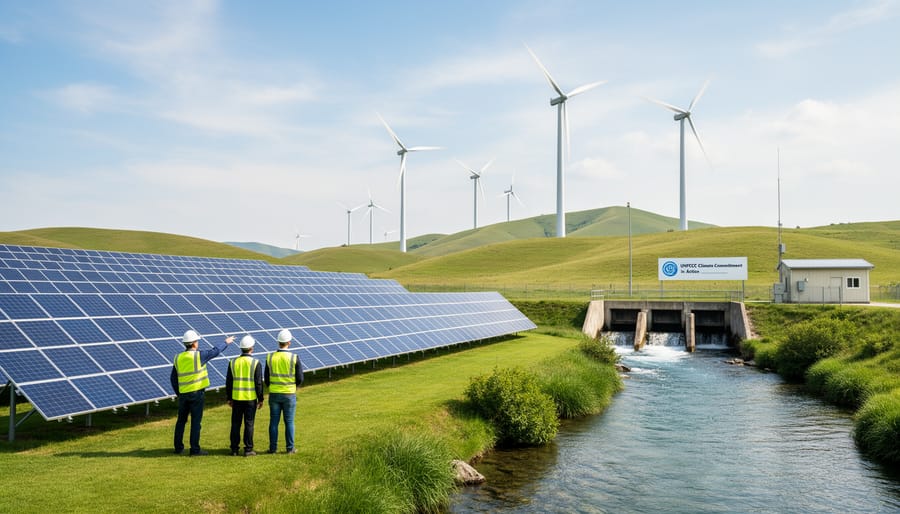
The UNFCCC isn’t just an environmental framework, it’s a blueprint for economic transformation. Every climate commitment made under this treaty translates into market signals that drive investment in renewable energy resources manufacturing capacity, and skilled workforce development. When countries submit their nationally determined contributions, they’re not only pledging emissions reductions. They’re creating demand for solar installers, wind technicians, energy efficiency specialists, and engineers who design the clean infrastructure of tomorrow.
Canada’s renewable energy sector has grown because the UNFCCC process establishes international expectations that shape domestic policy. Companies invest billions in wind farms, solar arrays, and battery storage facilities because they know climate commitments create stable, long-term markets. This certainty drives job creation across the country, from manufacturing plants in Ontario to installation crews in Alberta and project management offices in British Columbia.
The economic case resonates across the political spectrum. Conservative-leaning advocates see market opportunities, innovation, and Canadian competitiveness in global clean energy supply chains. Progressive voices emphasize job quality, worker transitions, and community benefits. Both perspectives align on the fundamental truth: climate action and economic growth aren’t opposing forces.
Young Canadians entering the workforce have unprecedented opportunities in this transition. The International Energy Agency projects millions of new clean energy jobs globally by 2030, driven largely by commitments countries make through the UNFCCC. Electricians who learn heat pump installation, business graduates who understand carbon markets, communications professionals who can explain clean energy benefits, all these skills are in demand because international climate cooperation creates the framework for investment.
COP31’s focus on accelerating clean energy investment and just transition means more funding, more projects, and more career pathways. Understanding the UNFCCC helps you see where the opportunities are emerging and how to position yourself to be part of building Canada’s clean economy.
How Young Canadians Can Engage with the UNFCCC Process

You don’t need a PhD in international relations to influence climate policy. The UNFCCC process offers multiple entry points for young Canadians ready to turn understanding into impact.
Start by connecting with established Canadian climate organizations that send observer delegations to COP meetings. Groups like the Canadian Youth Climate Coalition, Climate Action Network Canada, and youth branches of environmental NGOs regularly recruit young observers for these conferences. Observer status grants you access to negotiations, side events, and networking opportunities with delegates from around the world. Applications typically open months before each COP, so watch for announcements starting early in the year.
Following COP proceedings remotely is equally valuable. The UNFCCC streams major sessions online, and Canadian civil society organizations often host watch parties and debrief sessions during conferences. This keeps you informed about what’s being negotiated and how Canada is positioning itself on key issues.
Local implementation is where young climate action creates the most immediate impact. Once countries make commitments at COP, provincial and municipal governments decide how to implement them. Attend city council meetings to advocate for renewable energy projects. Engage with your provincial representatives about aligning local policies with Canada’s nationally determined contributions. Write to your MP about climate finance and just transition programs.
Building bipartisan coalitions amplifies your voice. Climate solutions appeal across the political spectrum when framed around job creation, energy security, and economic opportunity. Partner with business students interested in green investment, agricultural groups focused on climate resilience, and community organizations working on energy affordability. Diverse coalitions demonstrate that climate action isn’t partisan, it’s practical.
The UNFCCC process needs your energy, perspective, and urgency. Pick one pathway and start this week.
Common Questions About the UNFCCC and COP Process
Understanding how the UNFCCC and COP conferences actually function helps you participate more effectively in climate conversations and advocacy. These are the questions we hear most often from young Canadians getting involved in climate action.
What’s the difference between the UNFCCC and the Paris Agreement?
The UNFCCC is the foundational treaty from 1992 that created the overall framework for international climate cooperation, while the Paris Agreement is a specific agreement within that framework adopted in 2015. Think of the UNFCCC as the constitution and the Paris Agreement as one of the laws created under it.
Are COP decisions legally binding on countries?
It depends on the specific agreement. Some commitments, like the Paris Agreement’s nationally determined contributions, are legally binding in structure but allow countries flexibility in setting their own targets. The enforcement relies primarily on transparency, peer pressure, and domestic political will rather than international penalties.
Does the UNFCCC process actually work?
The framework has achieved measurable progress: renewable energy costs have dropped dramatically, over 190 countries have climate commitments, and global awareness has shifted significantly since 1992. However, the pace of action still lags behind what science says we need, which is why youth pressure and bipartisan domestic action remain essential.
What happens after a COP meeting ends?
Countries return home to implement their commitments through national policies, legislation, and funding decisions. This is where domestic advocacy matters most, pushing for concrete action on renewable energy investment, understanding what is mitigation strategies mean in practice, and ensuring governments follow through on their COP promises.
The gap between international commitments and local implementation is exactly where your voice as a young Canadian carries weight. Provincial and municipal governments often move faster than federal action, and community-level renewable energy projects can demonstrate what’s possible regardless of political shifts at higher levels. Tracking how Canada’s COP31 commitments translate into funding for clean energy jobs, climate adaptation in your region, and support for just transition in fossil fuel-dependent communities gives you concrete advocacy targets. The UNFCCC creates the framework, but real change happens when citizens hold their governments accountable to the promises made in places like Antalya.
Understanding the UN Framework Convention on Climate Change isn’t just about knowing international policy, it’s about recognizing your power to shape Canada’s climate future. This framework provides the foundation for every major climate agreement, from the Kyoto Protocol to the Paris Agreement, creating the structure that transforms global commitments into national action. As COP31 approaches this November in Antalya, the urgency for informed, engaged citizens has never been greater.
Climate solutions transcend party lines. Whether you’re motivated by green job creation, energy independence, public health, or environmental stewardship, the UNFCCC process offers pathways forward that align with diverse values. The connections between climate and health economic opportunity, and environmental protection make this everyone’s fight.
Young Canadians stand at a pivotal moment. You’re not inheriting a broken system, you’re building a better one. The renewable energy transition is creating careers, the clean technology sector is expanding, and your generation’s voice is increasingly shaping policy decisions at every level. Understanding how the UNFCCC works equips you to hold leaders accountable, advocate effectively, and collaborate across political divides.
The framework exists, the mechanisms are in place, and the opportunities are real. Now it’s your turn to engage, whether that means joining observer delegations, supporting local climate initiatives, or simply staying informed about Canada’s commitments. Knowledge translates to action, and action drives change.