
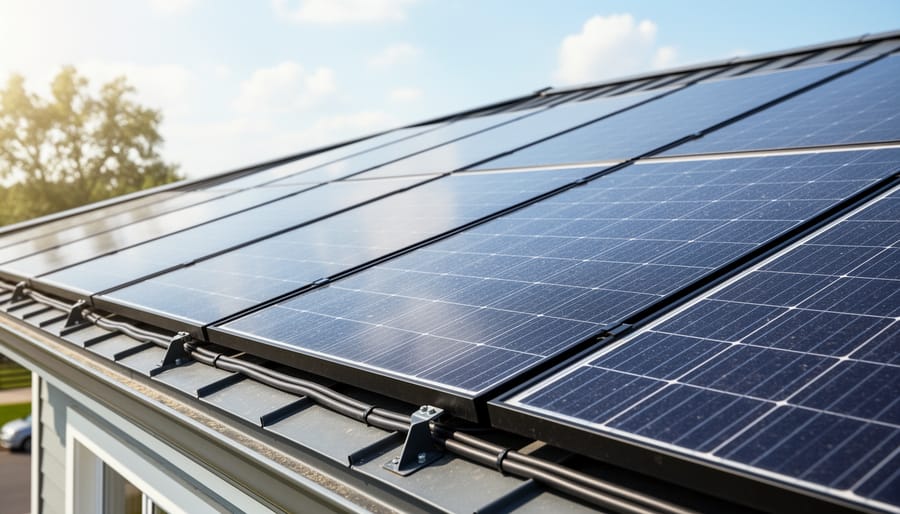

A solar panel is a flat device that turns sunlight directly into electricity, with no fuel, no moving parts, and no smoke. Light hits a layer of silicon, knocks electrons loose, and that flow of electrons becomes power you can use to run a home, a school, or a water pump in a remote village.
The idea is simple, but the impact is big. Solar is one of the few energy sources that appeals to people across the political spectrum. Some back it for lower energy bills, some for energy independence, some for cleaner air and a cooler planet. Farmers, city councils, small businesses, and families on every side of the aisle are installing panels for their own reasons, and that shared ground is a big part of why the technology keeps spreading.
It also happens to be a field where young people are making a real difference, from students building solar-powered projects to a new generation of installers, engineers, and entrepreneurs.
This guide breaks it all down in plain language. You’ll learn how panels turn light into electricity, what they’re made of, the main types available, and where they’re used, from rooftops to remote clinics. No engineering degree required, just curiosity.
What Solar Panels Mean in Plain Language
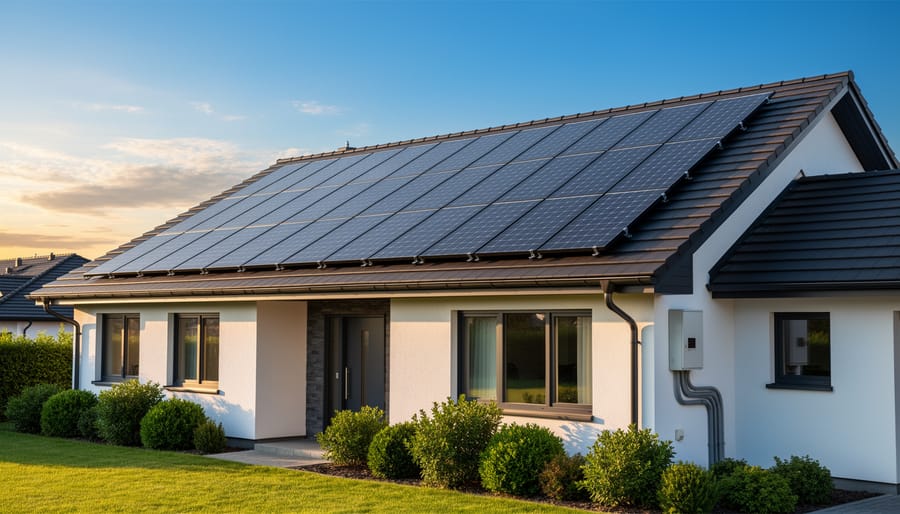
A solar panel is a flat, sturdy device that sits in the sun and turns sunlight into electricity you can use. There’s no fuel to burn and no engine making noise. Light comes in, power goes out. That simplicity is a big part of why the technology has spread from rooftops to farms to whole communities.
It helps to know that “solar panel” can mean two different things. The most common kind, called photovoltaic, makes electricity for lights, appliances, and phone chargers. The other kind captures the sun’s heat instead, usually to warm water for showers or home heating. This article focuses on the electricity-making kind, since that’s what most people mean when they talk about solar technology.
Here are a few everyday terms you’ll run into:
- Solar panel
- A framed set of connected solar cells that turns sunlight into electricity.
- Photovoltaic
- A word for technology that turns light directly into electric current, often shortened to PV.
- Solar cell
- The small light-catching building block inside a panel, many of which work together.
- Inverter
- A device that converts the electricity from panels into the kind your home’s outlets use.
- Kilowatt-hour
- The unit your electric bill uses to measure energy, like running ten 100-watt bulbs for one hour.
What makes solar interesting is how many different people can get behind it. Some folks love the idea of energy independence, producing power close to home instead of relying on distant sources. Others focus on lower, more predictable bills. Many see the jobs it creates in installation, manufacturing, and maintenance. Different reasons, same shared goal, and that common ground is what makes solar a rare topic where neighbors with different views can work side by side.
How Solar Panels Turn Sunlight Into Electricity
From Sunlight to Electric Current
Think of a solar cell as a small stage where sunlight does one simple job: it gives electrons a gentle push. Electrons are tiny particles that live inside the materials of the cell, and normally they stay put, like people settled into their seats at a quiet theater.
Most solar cells are made from silicon, a common material found in sand. The cell is built in two thin layers that are treated a little differently, which creates a built-in “one-way slope” between them. When sunlight, which is really a stream of tiny energy packets, hits the cell, some of that energy nudges electrons loose from their usual spots.
Here’s where the slope matters. Once an electron is free, it can’t wander off in any direction. The cell’s design guides it one way, like a ball rolling down a gentle hill. Thousands upon thousands of electrons moving in the same direction add up to what we call an electric current.
Metal lines on the surface of the cell collect those moving electrons and send them into a circuit. From there, the current can power a light, charge a phone, or feed a whole home. Nothing burns, nothing spins, and nothing moves except the electrons themselves.
That quiet simplicity is part of what makes the technology so appealing. There are no tailpipes or engines involved, just sunlight and smart materials working together. And because the basic idea is easy to grasp, anyone curious enough, including young learners just starting out, can understand the heart of how solar power works.
From Panel to Power Outlet
Once a solar panel has done its job, the electricity still has a short trip to make before it can power your phone charger or your fridge. Here’s the journey in a nutshell:
- Sunlight lands on the panel’s solar cells.
- The cells create a flow of direct current (DC) electricity.
- Wiring carries that current away from the panels.
- An inverter changes it into the type of power your home uses.
- The power goes to your outlets, or out to the grid.
- A battery can store extra energy for later, if you have one.
The inverter is the real translator in this story. Panels produce direct current, which flows in one steady direction, but homes and the grid run on alternating current, which switches direction many times per second. Without an inverter, the electricity from your roof simply wouldn’t speak the same language as your appliances. Think of it as a friendly interpreter standing between the panels and everything you plug in.
Wiring ties it all together. Cables link the panels to each other and to the inverter, and then connect the inverter to your home’s electrical panel. From there, the power spreads out to lights, laptops, and kitchen appliances just like electricity from any other source.
What if your panels make more than you need on a sunny afternoon? You have two good options. A home battery can hold that extra energy so you can use it in the evening or during an outage. Or the surplus can flow back to the grid, where your neighbors use it. In many places, utilities give credit for that shared power, though the rules vary by location, so it’s worth checking what your area offers.
This back-and-forth is part of what makes solar a team effort. Every home that shares a little extra helps the whole community.
What’s Inside a Solar Panel and the Main Types You’ll Find
The Building Blocks of a Panel
Think of a solar panel as a sandwich built to survive years of sun, rain, and wind. Each layer has a job, and together they turn daylight into power.
At the heart are the solar cells, usually thin silicon wafers that look like dark, shiny squares. These are the parts that actually react to sunlight and create electric current. A single cell makes only a small amount of power, so a typical panel wires dozens of them together to add up their output.
Metal ribbons and thin lines across each cell act like tiny roads, collecting the electricity and carrying it along. Behind the cells, a protective backsheet keeps moisture out and provides electrical insulation.
On the front, a layer of tempered glass shields the cells from hail, dust, and debris while still letting light pass through. Between the glass and the cells sits a clear, sticky film called an encapsulant, which holds everything in place and cushions the delicate cells.
Around the edges, an aluminum frame gives the panel its strength and makes it easy to mount on a roof or a ground rack. Finally, a small junction box on the back is where the wiring connects, sending the electricity out toward the rest of the system.
Common Panel Types and What Sets Them Apart
Not every solar panel looks or performs the same, and knowing the main types helps you see why the choices differ. Most panels you’ll come across fall into three families.
Monocrystalline panels are made from a single, uniform piece of silicon, which gives them a sleek, dark look. They tend to turn more of the sunlight that hits them into power, so they can make the most of a small roof. That performance usually comes with a higher price tag, which is the main trade-off.
Polycrystalline panels are built from silicon fragments melted together, giving them a bluish, speckled appearance. They generally cost less to make and buy, but they typically take up a bit more room to produce the same amount of electricity. For a family with plenty of roof or yard space, that can be a sensible, budget-friendly pick.
Thin-film panels work differently. Instead of rigid silicon wafers, they use very thin layers of material spread over a surface like glass, metal, or even flexible plastic. They’re light and can bend to fit unusual shapes, which suits curved roofs or portable setups. In exchange, they usually need more space for the same output.
So the real question isn’t which type is best, but which fits your space, budget, and goals. A tight city rooftop and a wide rural field call for different answers, and that flexibility is part of why solar works for so many communities.
The field also keeps moving. Researchers and manufacturers are always refining materials and designs, and you can read more about new solar panel technologies if you’re curious where things are heading next.
Where Solar Panels Are Used Today
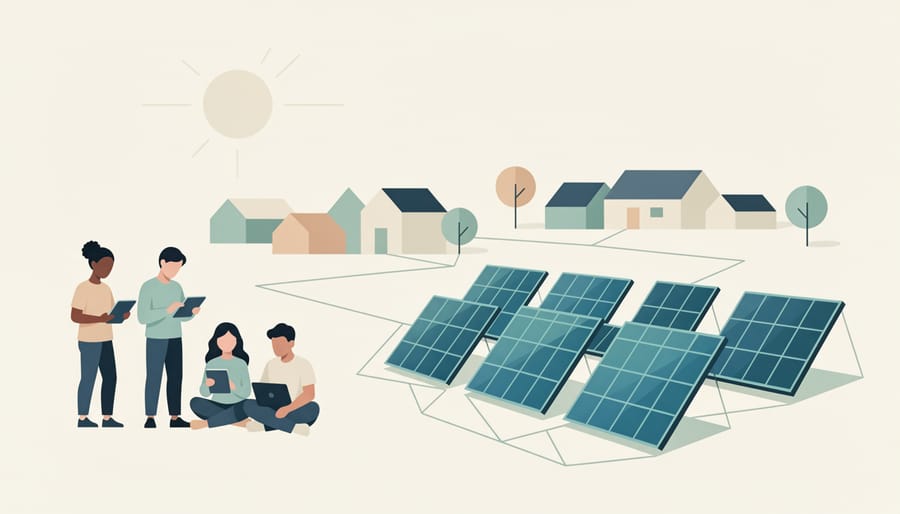
Solar panels have moved far beyond the science fair. Today you’ll find them in places most of us pass every day, and each setting shows a different side of the technology:
- Homes, where rooftop panels trim monthly power bills.
- Schools, where panels cut costs and double as hands-on classrooms.
- Businesses, from corner shops to big warehouses with wide, sunny roofs.
- Farms, where panels power barns, pumps, and equipment.
- Community solar, where neighbors share one array without needing their own roof.
- Utility-scale solar farms that feed large amounts of power into the grid.
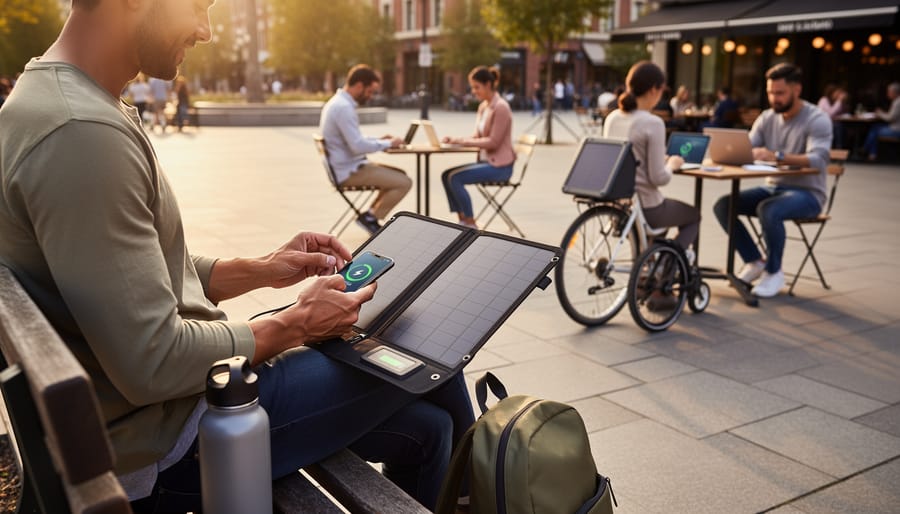
- Off-grid and portable uses, like cabins, camping gear, and remote sensors.
What stands out is how many different people benefit. A rural landowner might lease a field to a solar developer, while a town council signs on to power its public buildings. A small business owner saves on operating costs, and a renter joins a community project because the roof isn’t theirs to use. These arrangements tend to work because the benefits are practical: steadier costs, local investment, and energy produced close to home. That’s why you’ll see mayors, farmers, and business leaders with very different politics backing the same project.
Solar is also finding its way into everyday life in newer ways. People are exploring off-grid living with panels as their main power source, and drivers are looking at solar EV charging to power their rides with sunlight.
Behind every one of these projects are people doing real work. Installers mount and wire systems, factory crews build the panels, and technicians keep everything running smoothly for years. Many of these roles are open to newcomers through apprenticeships, trade programs, and community college courses. For young people who care about the climate and want a paycheck that matches their values, that’s a door worth knocking on.
Common Questions About Solar Panels
Curious about what solar panels can and can’t do? You’re in good company. Most beginners start with the same handful of questions, and the honest answers are reassuring without being too good to be true.
Do solar panels work on cloudy days?
Yes, though they produce less. Clouds block some sunlight, but panels still capture the light that gets through, so output dips rather than stopping altogether.
What happens at night?
Panels don’t generate power in the dark. Homes either draw electricity from the grid after sunset or use stored energy from a battery charged during the day.
How long do panels last, and do they need much upkeep?
Panels are built to last for decades, and they have no moving parts to wear out. Upkeep is usually light: an occasional rinse to clear dust or leaves and a periodic check that everything is working as it should.
Can solar work almost anywhere?
Most places get enough sun to make solar worthwhile, though sunnier spots simply produce more. A shaded roof or a very cloudy climate may change the math, which is why a local assessment helps.
Now for the question people tend to ask last: what happens when panels finally wear out? The honest answer is that recycling is still catching up with the speed of solar growth. Many components, including glass, aluminum frames, and some metals, can be recovered and reused, and the industry, researchers, and policymakers are all working to make that process easier and more affordable. It’s a real trade-off, but it’s also an open door. Cleaner ways to handle old panels will need engineers, entrepreneurs, and local leaders, and plenty of young people are already stepping into that space.
If you want to see where solar fits among the broader menu of clean options, it helps to explore other renewable energy resources and how communities put them to work. Solar isn’t a magic fix, and it doesn’t have to be. It’s one practical tool that neighbors, businesses, and governments with very different politics can all get behind.
At its heart, a solar panel does something simple: it takes sunlight and turns it into electricity you can actually use. Light nudges electrons in the cells, an inverter changes that current into the kind your outlets expect, and any extra power can flow back to the grid. No physics degree required.
What makes this technology special is how many people can rally around it. Lower energy bills, local jobs, and stronger communities are goals that folks across the political spectrum can share. A farmer, a city council member, and a college student might have different views on plenty of things, yet all of them can see the value in a rooftop or a community solar project.
If you’re curious, keep going. Ask questions, show up to local energy conversations, and look into training programs, internships, or school projects in renewable energy. The future of solar is being built right now, and your voice and ideas belong in it.