
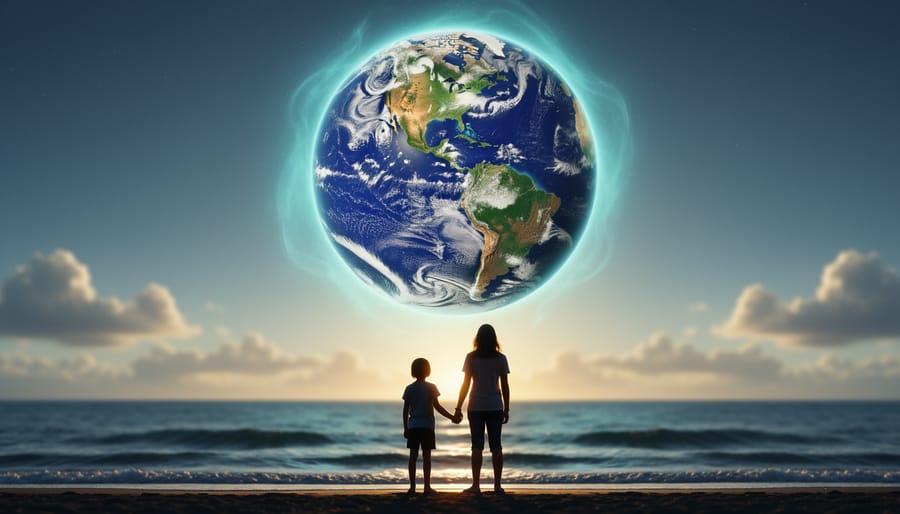

Picture Earth wrapped in an invisible blanket. This blanket, made of gases like carbon dioxide and methane, keeps our planet warm enough for life to thrive. But here’s the problem: humans have been making this blanket thicker and thicker since we started burning coal, oil, and gas to power our cars, heat our homes, and run our factories. That thicker blanket traps extra heat, causing temperatures to rise around the world. This is climate change, and it’s already affecting weather patterns, ocean levels, and ecosystems in ways that touch every corner of the planet.
You’ve probably noticed extreme weather events making headlines more often. Hurricanes grow stronger, wildfires burn longer, and some places flood while others face severe droughts. These aren’t random events. They’re connected to the way our warming planet disrupts natural systems that have stayed relatively stable for thousands of years.
The good news? Young people today are stepping up like never before. From organizing community clean-ups to advocating for renewable energy policies, kids and teens across the political spectrum are finding common ground in protecting the environment. You don’t need to be a scientist or politician to make a difference. Simple changes in daily habits, combined with speaking up for smart solutions, create ripples that turn into waves of positive change. Understanding climate change is the first step toward becoming part of the solution, and that journey starts right now.
What Climate Change Actually Means (In Words Kids Understand)
Climate change is what happens when Earth’s usual weather patterns shift and temperatures get warmer over many years. Think of it like this: Earth has a natural blanket made of gases that keeps us warm enough to live comfortably. But when we add more gases to that blanket by burning fuels for cars, electricity, and factories, it gets thicker and traps more heat. That extra warmth changes how our planet works.
Here’s something important to understand. Weather is what happens outside your window today, rain, sunshine, snow, or wind. Climate is the pattern of weather that a place gets over many years. So when we talk about climate change, we’re not just talking about one hot summer or a big storm. We’re talking about long-term shifts that affect seasons, rainfall, and temperatures across the entire planet.
Climate change means Earth is getting warmer because people are adding too much extra “blanket” to the atmosphere, changing weather patterns everywhere.
Earth’s climate has changed naturally before, over millions of years, because of things like volcanic eruptions and shifts in the planet’s position relative to the sun. But something different is happening now. Since the Industrial Revolution began around 250 years ago, humans started burning coal, oil, and gas to power machines, cars, and buildings. These activities release gases that thicken Earth’s protective blanket much faster than natural processes ever did.
The speed of this change is what makes it challenging. Animals, plants, and communities that took thousands of years to adapt to their environments now face shifts happening within a single human lifetime. Understanding this difference between natural climate variation and human-accelerated change helps us see why scientists are paying attention and why the solutions involve changing how we create and use energy.
Why Is Our Planet Changing? The Causes Behind Climate Change
Our planet is changing because of how humans have been using energy over the past couple hundred years. Think of Earth’s atmosphere like a greenhouse around a garden. Certain gases in the air, called greenhouse gases, trap heat from the sun just like greenhouse glass keeps warmth inside. This natural process actually keeps our planet cozy enough for life. But since the Industrial Revolution, when factories and machines became common, we’ve been adding extra greenhouse gases to the atmosphere, making that invisible blanket thicker and thicker.
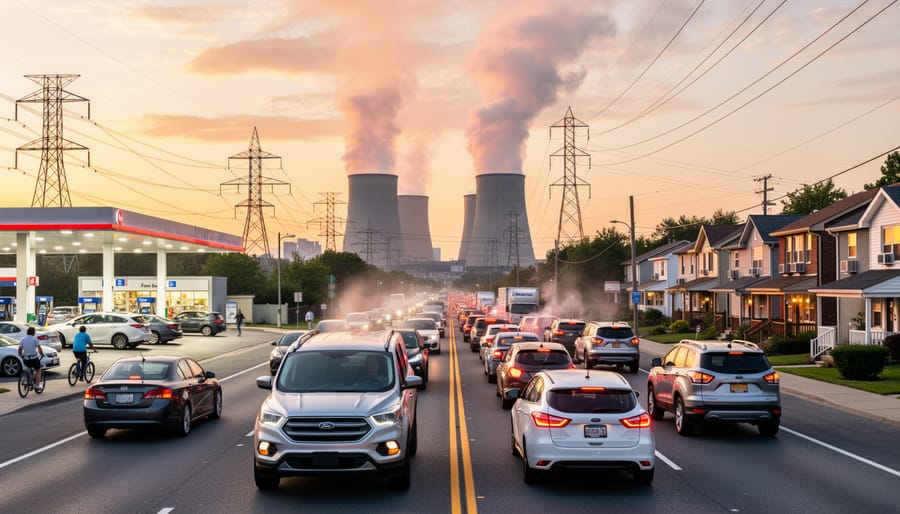
The main culprit is carbon dioxide, which gets released when we burn fossil fuels like coal, oil, and natural gas for energy. These fuels formed underground from ancient plants and animals over millions of years, and when we burn them, they release carbon that’s been stored away for eons. Every time a car drives down the street, it burns gasoline and releases carbon dioxide. When we flip on a light switch, the electricity often comes from power plants burning coal or natural gas. Even the factories that make our toys, clothes, and smartphones burn fossil fuels during manufacturing.
Here’s where it gets relatable: heating and cooling our homes, charging tablets and phones, flying in airplanes, and shipping products around the world all contribute to greenhouse gas emissions. When forests get cut down, we lose trees that naturally absorb carbon dioxide from the air, which makes the problem worse. Farms that raise livestock also produce methane, another powerful greenhouse gas.
Understanding these causes doesn’t mean anyone should feel guilty about living their normal life. Instead, recognizing how our daily activities connect to climate change helps us spot opportunities for solutions. When you know that energy use drives climate change, you can identify where cleaner energy sources would make the biggest difference. Since the Industrial Revolution, human activity has contributed to climate change, but human innovation and action can also be part of the answer.
How Climate Change Touches Everything Around Us
Climate change doesn’t just turn up Earth’s thermostat. It touches nearly every part of our world, from the deepest oceans to the highest mountains, from polar bears in the Arctic to coral reefs in tropical seas. Understanding what’s happening now helps us see why people across the globe are working together to find solutions.
Think about how water behaves when it heats up. Warmer ocean water expands and takes up more space, causing sea levels to rise. This changing water also shifts the patterns of ocean currents, which act like conveyor belts carrying warm and cold water around the planet. When these currents change direction or speed, they affect weather patterns far from the ocean itself. A shift in the Pacific might change rainfall patterns in Africa or temperature patterns in Europe.
Animals face challenges adapting to these rapid changes. Polar bears lose hunting grounds as Arctic ice melts earlier each spring. Monarch butterflies arrive at their usual migration stops to find plants blooming at the wrong time. Some birds lay eggs earlier because warmer springs confuse their internal clocks. Coral reefs, home to thousands of sea creatures, bleach and die when ocean temperatures climb just a few degrees too high. These aren’t isolated incidents, each change ripples through entire ecosystems.
Weather patterns become more unpredictable and sometimes more extreme. Some regions experience longer droughts that parch farmland and forests. Other places see heavier rainfall in shorter bursts, leading to flooding. Hurricanes can grow stronger over warmer ocean waters. Heat waves last longer and reach higher temperatures, creating serious concerns about climate and health especially for elderly people and young children.
Communities around the world experience these effects differently. Coastal cities worry about rising seas and stronger storms. Farming communities watch changing rainfall patterns affect their crops. Mountain towns see less snow each winter, impacting water supplies they depend on during summer. Understanding how climate change in cities differs from rural areas helps us create solutions that work for everyone.
The good news? Recognizing these connections shows us that protecting one part of our environment helps protect many others. When we preserve forests, we’re also protecting the animals living there and the water cycles that depend on those trees. Every ecosystem matters, and every community brings valuable knowledge to solving these challenges.
What Kids Can Do Right Now to Make a Difference
The best part about understanding climate change is realizing you don’t have to wait until you’re older to help solve it. Young people around the world are already making a real difference, and you can start today.
At home, simple choices add up fast. Turn off lights when you leave a room, unplug chargers that aren’t being used, and take shorter showers to save energy and water. Choose reusable water bottles instead of disposable ones, and bring cloth bags when shopping with your family. These everyday decisions reduce the greenhouse gases that contribute to climate change, and they’re things you can do right now.
Your voice matters more than you might think. Talk to your friends and family about what you’re learning. Sometimes the conversations you start at the dinner table or during recess plant seeds that grow into bigger changes. Ask your parents if your household can reduce food waste by composting, or suggest biking or walking for short trips instead of driving. When students campaign for climate action, they often inspire entire communities to rethink their habits.
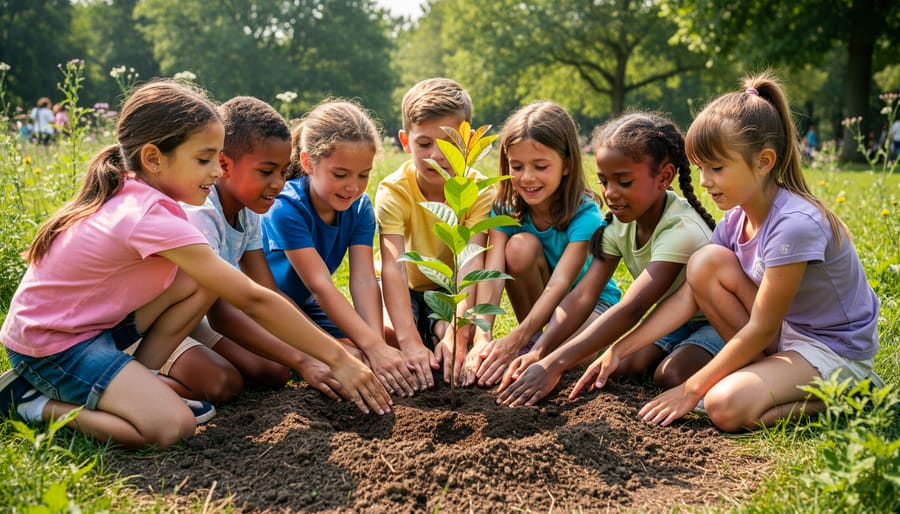
Get involved beyond your own home. Join or start a climate club at your school where you can work together on projects like recycling programs or school garden initiatives. Participate in community clean-up days, tree planting events, or local environmental campaigns. Many communities have youth groups focused on sustainability that welcome kids who want to contribute.
Your generation is proving that age doesn’t limit impact. Young climate leaders are speaking at international conferences, organizing awareness campaigns, and pushing for policy changes that protect our shared planet. Some focus on education, others on conservation, and many bridge different perspectives to build solutions everyone can support.
Remember, you’re not just learning about climate change for a school project or a test. You’re building the knowledge and skills to become a problem-solver who can help create a healthier, more sustainable world. Every action you take, no matter how small it seems, contributes to a larger movement of young people refusing to be passive observers and choosing instead to be active solution-makers.
Resources That Make Learning Fun and Accessible
Learning about climate change becomes easier when you have the right tools. Rather than overwhelming children with dense textbooks, these resources invite exploration through videos, interactive platforms, and hands-on activities that meet kids where they are.
The CBC Kids News four-part video series stands out as an accessible starting point. These videos walk children through the science behind climate change, explore how it might affect Canada specifically, and demonstrate how kids can participate in solutions. Short enough to hold attention but comprehensive enough to build understanding, they translate complex science into stories kids can follow.
NASA offers a treasure trove of educational materials. As a global leader in studying Earth’s changing climate, NASA provides satellite images, interactive tools, and explanations that show climate patterns from space. Their resources help children see our planet as scientists do, as a dynamic system where everything connects. Kids curious about renewable energy can even explore topics like what’s inside solar panels through these types of educational platforms, connecting climate solutions to real technology.
Environment and Climate Change Canada maintains dedicated resources for educators that parents can tap into as well. These materials align with Canadian contexts and include lesson plans, data visualizations, and activity guides that make climate science tangible rather than theoretical.
| Resource | Format | Age Range | Key Focus |
|---|---|---|---|
| CBC Kids News Series | Video | 8-14 | Science, impacts, youth action |
| NASA Climate Kids | Interactive/Games | 7-12 | Earth systems, satellite data |
| Environment Canada Educators | Lesson Plans | K-12 | Canadian context, activities |
| National Geographic Kids | Reading/Video | 6-14 | Facts, wildlife impacts |
The goal is not to assign homework but to spark curiosity. When a child asks why polar bears appear in the news or wonders about strange weather patterns, these resources provide answers that respect their intelligence while keeping explanations clear. They transform climate education from something children must learn into something they want to understand.
Understanding climate change is just the beginning. When kids grasp how their planet works and what threatens it, they become part of something bigger than themselves, a global movement of young people refusing to accept a damaged future as inevitable.
The knowledge you’ve gained here isn’t meant to stay locked in your head. Share it with friends at lunch. Talk about it at family dinners. Join a local environmental group or start your own initiative at school. Every conversation plants a seed, and those seeds grow into communities of informed, active young people who refuse to stay silent.
Here’s the truth that adults sometimes forget: caring about our planet isn’t a political issue. It’s human. Whether your family votes red or blue, everyone breathes the same air, drinks the same water, and depends on the same Earth. Climate solutions work best when we collaborate across differences, bringing diverse perspectives to solve shared challenges.
You don’t need to wait until you’re older to make a difference. Young people are already leading climate campaigns, inventing sustainable technologies, and convincing their communities to change. Your voice matters now. Your actions ripple outward, influencing friends, families, and neighbors.
The generation learning about climate change today will build the solutions tomorrow. You’re not just learning facts, you’re becoming problem-solvers who will bridge divides, think creatively, and protect the planet we all call home. That journey starts right here, right now, with you.