
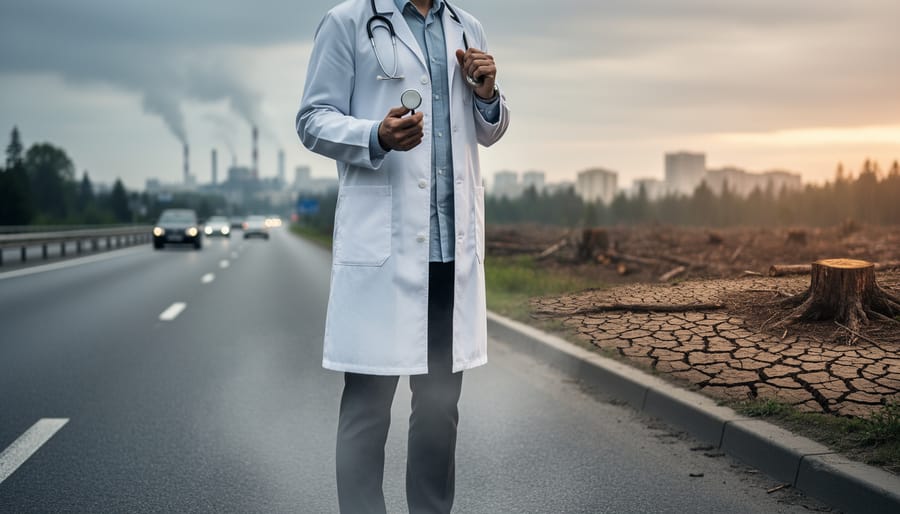

Climate change isn’t some distant threat appearing in computer models. It’s unfolding right now, reshaping our world through forces we’ve set in motion. Understanding what drives these changes matters because the connection between climate change and health affects every breath we take, every meal we eat, and every community we call home.
The science is clear: human activities have fundamentally altered Earth’s climate system. Burning fossil fuels releases carbon dioxide that traps heat in our atmosphere. Cutting down forests eliminates the natural systems that absorb that carbon. Industrial agriculture pumps methane into the air. These aren’t abstract environmental issues. They’re creating conditions that worsen asthma, spread disease, contaminate water supplies, and threaten food security.
But here’s what gives us hope: we know exactly what’s causing the problem, which means we know how to fix it. Young people across the political spectrum are already leading the way, proving that climate action doesn’t require choosing sides. It requires choosing solutions.
This article breaks down the five primary drivers accelerating climate change in 2026, explains how each one directly impacts your health and wellbeing, and highlights the bipartisan approaches already making a difference. Whether you live in a red state or blue state, rural community or urban center, these forces affect you. And you have power to address them.
Driver 1: Fossil Fuel Combustion, The Leading Emissions Source
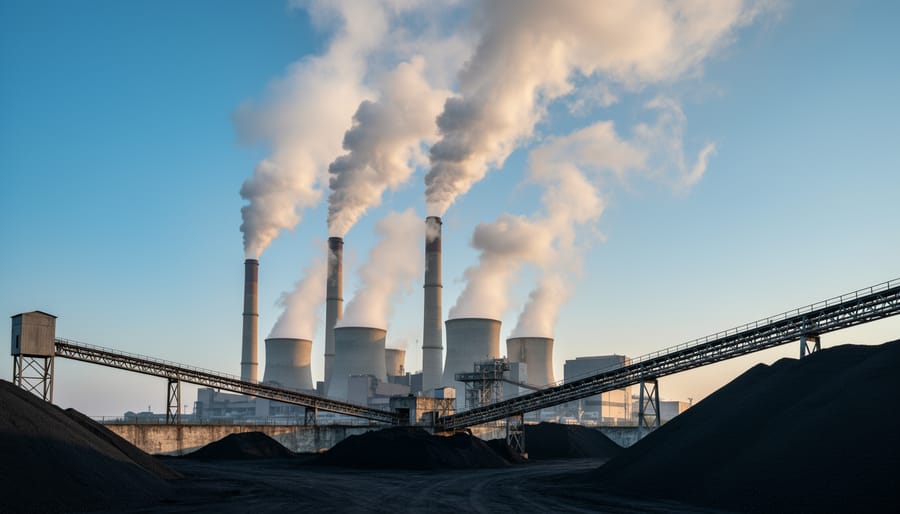
Fossil fuels remain the single largest driver of climate change, responsible for the majority of greenhouse gas emissions warming our planet. When we burn coal, oil, and natural gas for energy, transportation, and industrial processes, we release carbon dioxide that has been locked underground for millions of years, flooding the atmosphere faster than natural systems can absorb it. Canada’s Changing Climate Report identifies fossil fuel combustion as a major emissions source, and the scale of this driver has grown dramatically as global energy demand continues to rise.
Three sectors drive fossil fuel emissions in different but equally significant ways. Energy production for electricity and heat relies heavily on coal and natural gas power plants, sending massive amounts of carbon dioxide into the air every time you flip a light switch or charge your phone. Transportation, from the daily commute to international shipping, burns petroleum products that create both greenhouse gases and pollutants harmful to human health. Industrial processes use fossil fuels not just for energy but as raw materials in manufacturing everything from plastics to pharmaceuticals.
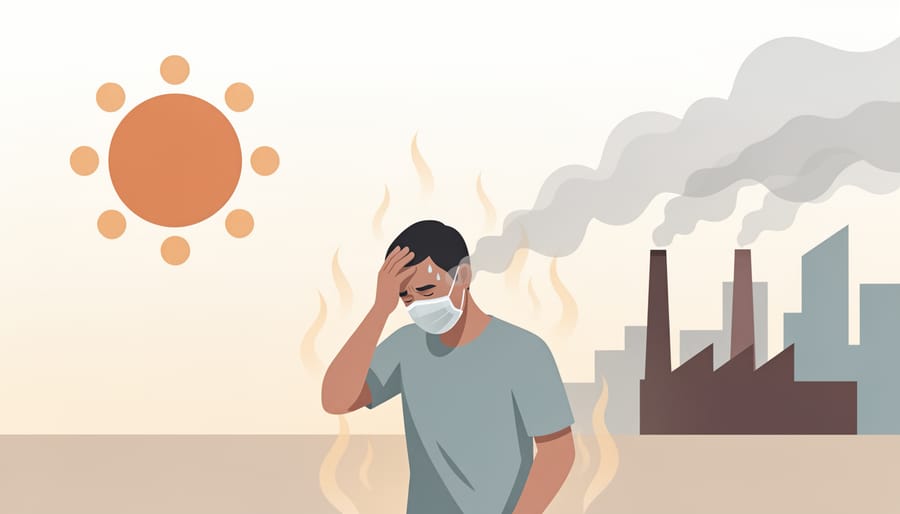
These emissions don’t just warm the planet; they directly threaten your health right now. The air quality impacts from burning fossil fuels contribute to respiratory diseases like asthma and chronic obstructive pulmonary disease, particularly in communities near power plants, highways, and industrial facilities. Fine particulate matter from combustion penetrates deep into lungs and enters the bloodstream, increasing risks of heart attacks, strokes, and cardiovascular disease. As fossil fuel emissions drive global temperatures upward, heat-related illnesses surge during more frequent and intense heat waves, a danger that compounds existing health vulnerabilities.
The connection is clear: reducing fossil fuel combustion protects both climate stability and public health, making this driver a critical target for solutions that work across political and geographic boundaries.
Driver 2: Deforestation, Eliminating Earth’s Carbon Sinks
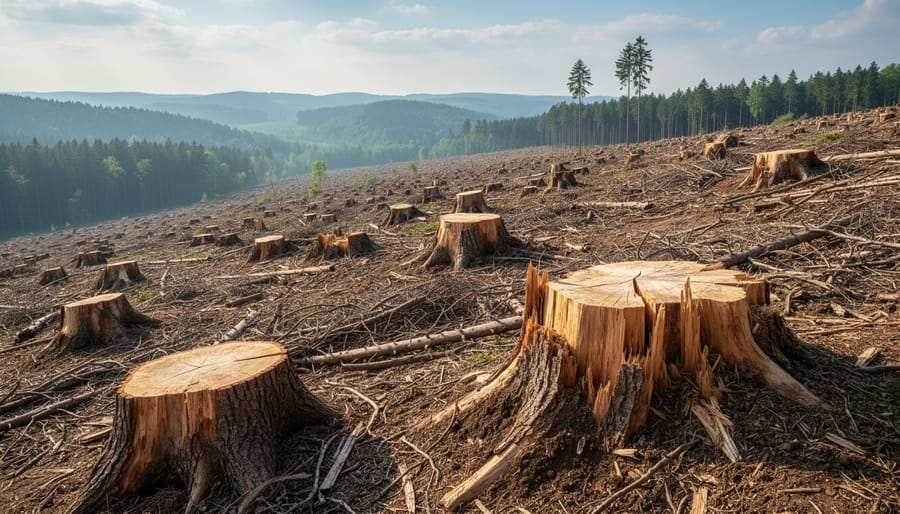
Every minute, forests the size of 27 soccer fields vanish from the planet, taking with them one of our most powerful natural defenses against climate change. Trees function as Earth’s lungs, absorbing carbon dioxide through photosynthesis and storing it in their trunks, branches, roots, and the soil beneath them. When we clear these forests, we do more than eliminate future carbon absorption, we release the carbon already stored, often through burning, which immediately transforms a carbon sink into a carbon source.
Land-use change and agriculture together contribute nearly 25% of human-made greenhouse gas emissions. The expansion of farming drives up to 90% of tropical deforestation globally, with cattle ranching, soybean farms, and palm oil plantations leading the destruction. Commercial logging for paper, pulp, and furniture, expanding cities, and mining operations compound the problem. In Sub-Saharan Africa, India, and Nepal, communities cutting down trees for fuel accelerates forest loss in regions already vulnerable to climate impacts.
The health consequences ripple far beyond carbon calculations. Forests harbor approximately 80% of terrestrial biodiversity, including countless plant species that provide medicinal compounds. As these ecosystems disappear, we lose potential treatments for diseases before scientists can even study them. Indigenous communities and forest-dwelling populations face displacement, severing cultural ties and traditional knowledge systems built over generations.
Deforestation also brings humans and wildlife into closer contact, creating conditions for disease transmission. When natural habitats shrink, animals carrying viruses, bacteria, and parasites move closer to human settlements. The Ebola outbreaks in West Africa, Nipah virus emergence in Malaysia, and increasing Lyme disease cases all trace back partly to habitat destruction that forces wildlife and people together. Mosquitoes that spread malaria and dengue fever thrive in deforested areas where standing water and sunlight create ideal breeding conditions.
Your respiratory health suffers too. Forest fires used to clear land inject particulate matter into the air, exacerbating asthma and cardiovascular disease. Communities near deforestation zones report higher rates of respiratory infections, heat stress from loss of tree canopy cooling, and mental health challenges linked to environmental degradation and displacement.
Driver 3: Industrial Agriculture, The Hidden Emissions Giant
When you think about the agriculture and climate connection, food production rarely gets the attention it deserves as a climate driver. Yet farming is responsible for nearly a quarter of human-made greenhouse gas emissions, making it as significant as fossil fuels in many respects. The largest driver of global deforestation is agricultural expansion, accounting for up to 90% of tropical deforestation globally. Cattle ranching, soybean farms, and palm oil plantations clear vast carbon-storing forests to create fields and pastures, releasing stored carbon while eliminating the trees that would otherwise absorb future emissions.
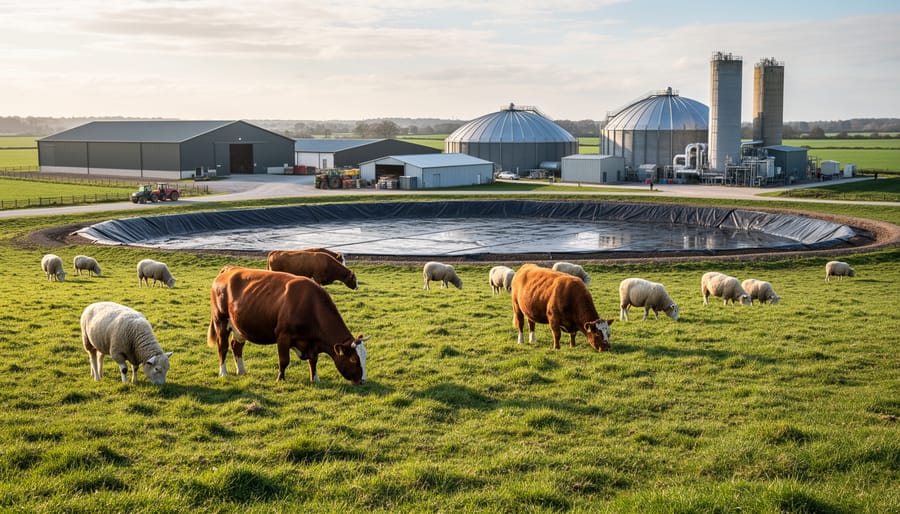
Beyond deforestation, industrial agriculture generates emissions through its own operations. Livestock produce methane during digestion, a greenhouse gas roughly 28 times more potent than carbon dioxide over a century. When you add methane from rice paddies and nitrous oxide from synthetic fertilizers, agriculture becomes a multi-faceted emissions source that affects your health in ways you might not expect.
These farming practices directly impact what ends up on your plate and in your body. Concentrated animal feeding operations create ideal conditions for foodborne pathogens like E. coli and Salmonella, increasing illness risks. The routine use of antibiotics in livestock to promote growth and prevent disease in crowded conditions fuels antibiotic resistance, making common infections harder to treat in humans. When a urinary tract infection or strep throat stops responding to standard medications, industrial agriculture’s practices are part of the reason why.
Monoculture farming, where single crops dominate huge areas, reduces agricultural biodiversity and nutritional variety. As diverse ecosystems give way to endless fields of corn or soy, the range of nutrient-dense foods available narrows. This loss affects dietary quality and contributes to nutritional deficiencies, particularly in communities that historically relied on diverse local crops now replaced by commodity agriculture.
Driver 4: Industrial Processes and Manufacturing
Industrial processes create greenhouse gas emissions in ways many people overlook. While burning coal and gas for electricity gets most of the attention, the chemical reactions inside factories and production facilities release substantial carbon dioxide and other heat-trapping gases, even when energy use is excluded from the calculation.
Cement production stands out as one of the heaviest industrial emitters. The effects of cement on climate stem from heating limestone to extreme temperatures, which releases carbon dioxide directly from the rock itself. This process accounts for roughly 8% of global emissions, rivaling entire countries in its climate impact. Chemical manufacturing, steel production, and aluminum smelting similarly release greenhouse gases through their core industrial reactions, not just from powering machinery.
These industrial emissions create a two-pronged health threat. First, the climate-warming gases contribute to the same heat waves, extreme weather, and shifting disease patterns detailed in earlier drivers. Second, industrial facilities release harmful air pollutants alongside carbon dioxide, particulate matter, sulfur dioxide, nitrogen oxides, and volatile organic compounds that damage lungs and hearts in nearby communities.
Workers inside these facilities face the most direct exposure. Occupational hazards include respiratory diseases from inhaling industrial dust, chemical burns, and long-term illnesses from repeated contact with toxic substances. Communities living downwind or downstream shoulder the burden too. Industrial wastewater contaminates drinking water sources with heavy metals and chemical compounds. Air pollution drifts into residential neighborhoods, raising asthma rates and cardiovascular disease among people who never set foot in a factory.
The scale of manufacturing globally means these impacts reach millions. Addressing industrial emissions requires rethinking production methods, developing low-carbon cement alternatives, capturing carbon at the source, and transitioning to cleaner chemical processes that protect both climate and community health.
Driver 5: Land Use Change Beyond Deforestation
When cities expand and wetlands disappear, they don’t just change the landscape, they alter how carbon moves through our environment and reshape the health risks we face daily. Beyond deforestation, these land transformations collectively release billions of tons of stored carbon while eliminating natural systems that once absorbed it.
Urbanization converts grasslands, agricultural areas, and wetlands into concrete and asphalt, creating surfaces that trap heat and shed water instead of cycling carbon. Draining wetlands to create farmland or development sites releases carbon that has accumulated in waterlogged soils for centuries, while also removing ecosystems that naturally filter water and buffer against floods. Soil degradation from intensive farming, overgrazing, and poor land management further compounds the problem by breaking down organic matter that would otherwise lock carbon underground.
These changes directly impact your health in ways that might surprise you. Urban heat islands, where cities run several degrees hotter than surrounding areas, increase heat stroke risk, worsen air quality, and strain cardiovascular systems during summer months. The connection between climate change in cities and public health becomes especially clear during heat waves, when pavement and buildings radiate stored warmth long after sunset.
The loss of wetlands and degraded soils create flooding hazards that contaminate drinking water supplies with runoff, sewage, and agricultural chemicals. Communities built on drained wetlands face heightened flood risks because these natural sponges no longer absorb storm surges. Meanwhile, disappearing green spaces in expanding cities reduce opportunities for outdoor activity and stress relief, contributing to mental health challenges and physical inactivity.
Soil degradation also threatens food security by reducing agricultural productivity and nutritional quality of crops grown in depleted earth. When combined with the other drivers we’ve examined, these land use changes create a web of interconnected health threats that require us to rethink how we shape the world around us.
The Cumulative Health Impact, Why All Five Drivers Matter
These five drivers don’t operate in isolation. They interact and amplify one another, creating cascading health effects that reach far beyond simple cause-and-effect relationships. When fossil fuel combustion warms the atmosphere, deforestation accelerates because stressed forests become more vulnerable to fires and pests. Industrial agriculture then expands into these degraded lands, releasing even more stored carbon while industrial processes manufacture the equipment and chemicals that perpetuate the cycle. Land use changes complete the loop, transforming natural landscapes that once buffered communities from climate extremes into heat-absorbing surfaces that intensify exposure.
The health consequences hit hardest where people have the least capacity to adapt. Low-income neighborhoods in Phoenix and Atlanta face temperatures up to 20 degrees hotter than wealthy suburbs just miles away, turning industrial heat islands into life-threatening zones during summer months. Coastal communities from Louisiana to Bangladesh watch rising seas contaminate drinking water while agricultural runoff compounds the problem. Indigenous populations lose both traditional food sources and medicinal plants as forests disappear and ecosystems shift.
In 2026, we’re witnessing these disparities widen. Young people growing up in regions heavily dependent on fossil fuel extraction face both immediate air quality threats and long-term economic uncertainty. Meanwhile, children in agricultural zones experience higher rates of pesticide exposure and waterborne illness. The interconnected nature of these drivers means a solution for one community benefits many others. Transitioning away from industrial agriculture reduces deforestation pressure while cutting methane emissions. Protecting forests improves air quality while preserving water sources. Every driver addressed creates ripple effects that strengthen public health across multiple pathways.
Solutions That Work Across Political Lines
Tackling the root causes of climate change doesn’t require a political litmus test. Young leaders across the spectrum are discovering that renewable energy creates jobs, sustainable farming strengthens communities, and healthier air benefits everyone.
The renewable energy transition offers economic wins that resonate regardless of party affiliation. Solar and wind installations now employ hundreds of thousands of workers in manufacturing, installation, and maintenance. Small towns hosting wind farms collect tax revenue that funds schools and infrastructure. For young people entering the workforce, clean technology fields offer stable careers with growth potential. Supporting local renewable projects, advocating for utility-scale clean energy, or simply choosing a green energy plan sends market signals that accelerate the shift away from fossil fuel combustion.
Sustainable agriculture practices unite farmers, consumers, and environmentalists around soil health and food security. Regenerative techniques like cover cropping and rotational grazing reduce fertilizer dependence, capture carbon in soil, and cut methane emissions from livestock operations. These methods also improve farm profitability over time. Youth can support this transition by buying from farmers who use regenerative practices, reducing meat consumption, or advocating for agricultural policies that reward carbon sequestration alongside crop yields.
Reforestation and forest protection initiatives bridge ideological divides because they create tangible benefits. Planting native trees improves air quality, prevents flooding, and provides recreational spaces that boost mental health. Programs that compensate landowners for maintaining forests rather than clearing them protect carbon sinks while respecting property rights. Young people can join local tree-planting efforts, support organizations that protect threatened forests, or push for urban forestry programs that reduce heat island effects in their communities.
Policy solutions gain traction when they emphasize innovation over restriction. Carbon fee and dividend approaches return revenue directly to households, making clean energy adoption affordable for working families. Research and development funding for carbon capture, advanced batteries, and alternative materials accelerates industrial decarbonization without mandating specific technologies. Youth voices matter in these debates. Contacting elected representatives, participating in local planning meetings, or organizing climate conversations that welcome diverse viewpoints shapes the policies that will define the next decade.
The most powerful action is bringing people together. Climate solutions succeed when they improve lives today while protecting tomorrow.
Understanding the five primary drivers of climate change isn’t just about knowing the problem, it’s about recognizing where we can make a real difference. Each driver we’ve explored, from fossil fuel combustion to land use change, represents both a challenge and an opportunity for meaningful action that protects our health and our planet’s future.
The solutions are already here. Renewable energy installations are accelerating, sustainable agriculture practices are spreading, and communities across the political spectrum are finding common ground in protecting clean air and water. You don’t need to wait for permission to engage with these solutions, whether you’re supporting local reforestation projects, choosing renewable energy, advocating for policy change, or simply starting conversations that bridge divides.
Your generation faces the health consequences of these drivers more directly than any before, but you also have unprecedented access to knowledge, technology, and networks that can drive real change. The path forward requires diverse perspectives, bipartisan collaboration, and the recognition that climate action is health protection.
Start where you are. Learn, connect, and contribute to solutions that resonate with your values and your community. The future isn’t written yet, and your engagement matters more than you might think.