
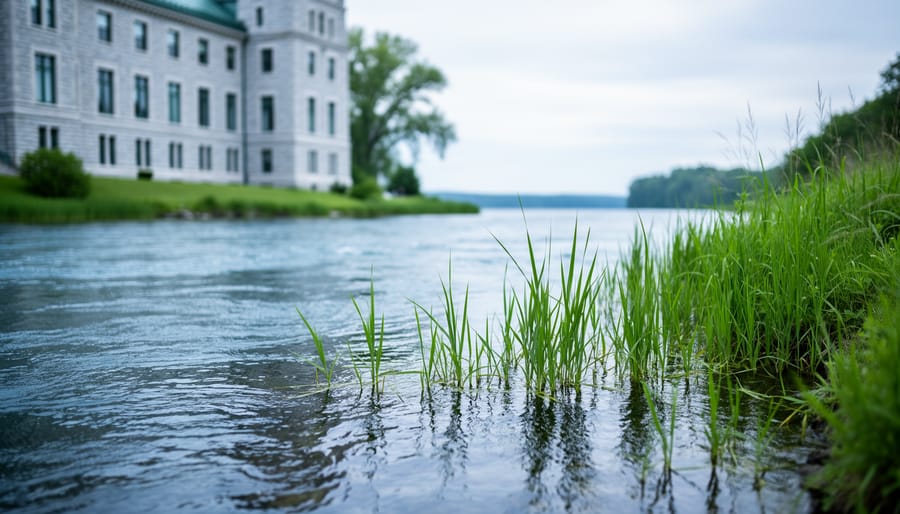

The Minister of Environment, Conservation and Parks in Ontario is the provincial cabinet member responsible for protecting Ontario’s natural resources, managing conservation areas, overseeing pollution control, and enforcing environmental legislation across Canada’s most populous province. Currently appointed by the Premier, this minister leads one of the province’s most consequential portfolios, affecting the daily lives of over 15 million Ontarians through decisions on air quality standards, water protection, waste management, and climate policy.
Understanding this role matters because Ontario produces roughly 37% of Canada’s greenhouse gas emissions and holds significant influence over national climate policy. The minister doesn’t work alone. They oversee the Ministry of Environment, Conservation and Parks, coordinate with federal counterparts on shared environmental challenges, and collaborate with municipalities implementing local sustainability programs. Their decisions ripple through every sector, from manufacturing and energy production to agriculture and urban development.
For young people seeking to shape Ontario’s environmental future, this position represents a critical pressure point for change. The minister responds to public consultation, introduces environmental bills in the provincial legislature, and sets enforcement priorities that determine how seriously polluters face consequences. Whether you’re concerned about protecting the Great Lakes, advancing renewable energy infrastructure, or preserving Ontario’s biodiversity, understanding who holds this position and how they exercise their authority gives you the knowledge to engage effectively.
This isn’t about party politics. Environmental protection transcends traditional divisions, requiring collaboration between communities, industries, and governments at every level. Knowing how Ontario’s environmental leadership functions empowers you to participate in shaping policies that will define the province’s ecological legacy for generations.
The Role and Responsibilities of Ontario’s Environment Minister

Ontario’s Environment Minister holds one of the province’s most consequential cabinet positions, directly shaping how eight million residents experience air quality, water safety, and climate impacts. This isn’t a ceremonial role. The minister leads the Ministry of the Environment, Conservation and Parks, a department employing thousands of scientists, inspectors, and policy experts who translate political commitments into enforceable standards.
On any given day, the minister might approve permits for industrial emissions, respond to contamination emergencies, or negotiate with federal counterparts on carbon pricing. They set pollution limits for factories, decide which watersheds receive protection funding, and determine enforcement priorities when companies violate environmental laws. The ministry’s mandate is to Protect and tackle climate change which means the minister’s decisions ripple through every sector, from manufacturing to agriculture to urban planning.
The position requires balancing competing pressures. Environmental groups push for stronger regulations. Industry representatives argue for flexibility to remain competitive. Municipal leaders need provincial support for local conservation projects. Young workers want clear signals about where green jobs will emerge. The minister synthesizes these inputs into actionable policy, whether that’s updating renewable energy incentives or redesigning waste diversion programs.
Perhaps most critically, this role bridges the gap between long-term environmental goals and immediate political realities. A minister can champion ambitious climate targets, but must also secure cabinet approval, negotiate budget allocations, and defend decisions in the legislature. They translate scientific recommendations into language that resonates across party lines, framing environmental protection not as partisan ideology but as practical stewardship. When the minister succeeds, regulations get teeth, conservation programs receive funding, and Ontario moves closer to its emissions commitments. When they falter, progress stalls regardless of which party holds power.
How Ontario’s Environmental Policy Fits Into Canada’s Climate Framework
Canada’s environmental governance operates on a dual-track system where both federal and provincial governments hold distinct but overlapping powers. While Environment and Climate Change Canada sets national targets and international commitments, provinces like Ontario control major emissions sources including electricity generation, industrial facilities, and natural resource extraction. This division means Ontario’s Minister of Environment doesn’t work in isolation, they constantly coordinate with federal counterparts while maintaining the province’s constitutional authority over its own environmental decisions.
The Pan-Canadian Framework on Clean Growth and Climate Change exemplifies this partnership approach. Under this agreement, provinces commit to meeting Canada’s Paris Agreement targets while choosing their own paths to get there. Ontario can design climate policies that fit its unique economy, whether that’s supporting nuclear energy expansion, regulating emissions from manufacturing hubs, or protecting the Great Lakes watershed, as long as the province contributes to national reduction goals. This flexibility allows for innovation and regional solutions rather than a one-size-fits-all approach.
Coordination happens through regular ministerial meetings, technical working groups, and shared funding programs. The federal government provides financial support for clean technology and infrastructure upgrades, while provincial ministers implement on-the-ground programs and enforcement. When these levels collaborate effectively, putting aside partisan differences, Canada sees stronger climate action. For instance, federal carbon pricing standards set a baseline, but provinces can develop their own systems that meet or exceed those standards while addressing local economic priorities.
This structure creates real opportunities for young Canadians to influence policy at multiple entry points. A renewable energy advocate in Ontario can push for provincial incentives while simultaneously supporting federal clean electricity regulations. The system isn’t always tidy, and jurisdictional disputes do arise, but it also means climate progress doesn’t hinge on a single government. When one level stalls, the other can maintain momentum. Understanding this framework helps you target your advocacy where it’ll have the most impact, whether that’s Queen’s Park or Parliament Hill.
Key Environmental Policies Shaped by Ontario’s Environment Minister
Climate Change and Emissions Strategy
The Minister of Environment shapes Ontario’s emissions strategy by setting industrial caps, approving facility permits, and enforcing compliance with provincial air quality standards. This includes regulating major emitters like manufacturing plants, power generators, and transportation sectors to meet reduction targets aligned with Canada’s national climate commitments. The minister also oversees programs that incentivize clean technology adoption, helping businesses transition to lower-carbon processes while maintaining economic competitiveness.
Beyond regulation, the role involves responding to emerging climate impacts that affect Ontario residents directly. As extreme weather events intensify, the minister’s decisions influence how the province addresses challenges like wildfires and air quality infrastructure resilience, and public health protections. This creates opportunities for young professionals in environmental monitoring, data analysis, and policy development. The ministry’s climate strategy isn’t just about distant targets, it directly shapes job creation in sectors like carbon accounting, green building, and environmental consulting, fields where youth bring fresh perspectives on innovation and long-term thinking.
Renewable Energy and Green Job Creation
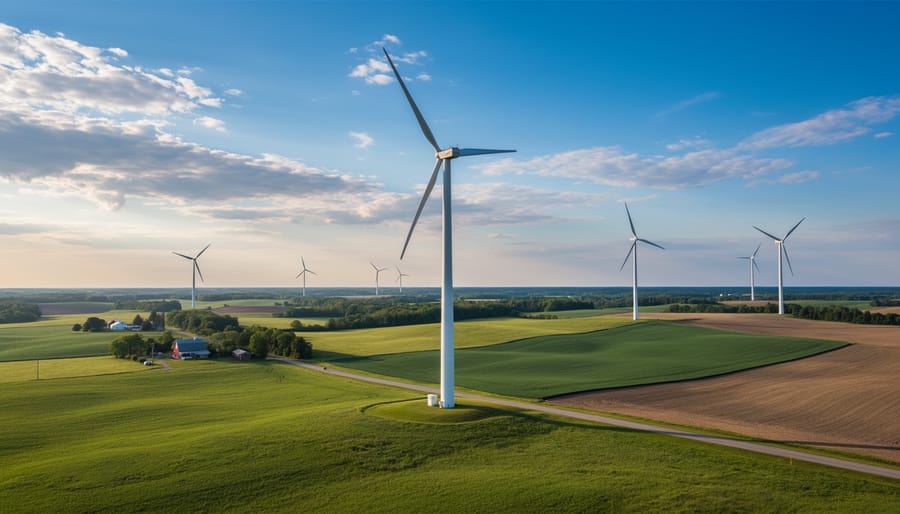
The Minister of Environment plays a direct role in shaping Ontario’s renewable energy landscape through permitting processes, environmental assessments, and policy frameworks that either accelerate or slow clean energy development. When the ministry streamlines approvals for solar farms, wind projects, or energy storage facilities, it directly impacts how quickly these initiatives come online and start creating jobs.
Ontario’s clean energy sector employs thousands of workers in manufacturing, installation, maintenance, and project management. The minister influences this growth by setting environmental standards that renewable projects must meet, determining which technologies receive regulatory support, and ensuring developments align with conservation goals. For young workers, this translates into career opportunities ranging from solar panel installation to environmental consulting for wind farms.
The ministry also oversees programs that balance renewable energy expansion with environmental protection, ensuring projects don’t harm sensitive ecosystems while still moving forward. This creates demand for environmental scientists, technicians, and planners who can navigate both the technical and regulatory sides of clean energy. Young Canadians entering this field benefit from policies that prioritize both job creation and ecological integrity, making environmental careers both viable and meaningful.
Conservation and Natural Resource Management
Ontario’s Environment Minister oversees 340 parks and conservation reserves covering approximately 9.4 million hectares, roughly 10% of the province’s land area. This responsibility includes protecting species at risk through habitat restoration programs and biodiversity monitoring, while managing forestry, mining, and aggregate extraction on Crown lands. The minister balances conservation with resource industries that employ thousands of Ontarians, using tools like environmental assessments and sustainability standards to minimize ecological damage. Protected wetlands and forests also serve climate goals by sequestering carbon and filtering water naturally, reducing infrastructure costs while mitigating the health impacts of climate change on communities. For young people interested in careers blending environmental science with resource management, this policy area creates opportunities in conservation planning, ecological restoration, and sustainable forestry consulting.
How Young Canadians Can Engage With Environmental Policy in Ontario

Understanding your role in environmental policy isn’t about choosing a political side, it’s about making your voice count where decisions actually happen. Ontario’s environmental policy process offers multiple entry points for young Canadians who want meaningful involvement, not just symbolic gestures.
The Environmental Registry of Ontario (ERO) serves as your direct line to provincial environmental decision-making. When the ministry proposes new regulations, policy changes, or major projects, they’re legally required to post them for public comment. Set up a free account at and customize your notifications to track issues you care about. Your substantive comments, backed by evidence, personal experience, or thoughtful questions, become part of the official record that ministry staff review.
Getting started takes less effort than you might think:
- Attend open houses and virtual consultations when the ministry seeks input on climate plans, conservation strategies, or cities adapting to climate challenges, these sessions welcome all perspectives.
- Connect with your local MPP’s constituency office regardless of their party affiliation; environmental concerns resonate across the political spectrum, and staff track constituent priorities.
- Join non-partisan youth environmental groups like Ontario Youth for Climate Action or campus sustainability clubs that focus on solutions rather than partisan positioning.
- Participate in citizen science initiatives through the ministry’s monitoring programs, contributing data on air quality, water health, or biodiversity that informs policy decisions.
Your engagement becomes more effective when you focus on specific, actionable asks rather than broad demands. Instead of requesting “better climate policy,” propose concrete measures like expanding EV charging infrastructure in underserved areas or creating green apprenticeship programs. Use creative communication tools, from posters that get action to social media campaigns highlighting local environmental wins.
Environmental advocacy works best when it builds bridges. Partner with groups across the ideological spectrum, rural conservation associations value land stewardship, business networks champion green economy opportunities, and urban communities prioritize clean air and transit. Finding common ground expands your influence beyond echo chambers and creates coalitions that politicians can’t ignore.
Common Questions About Ontario’s Minister of Environment
The Minister of Environment in Ontario is appointed by the Premier from elected members of the Provincial Parliament, typically from the governing party’s caucus. This political appointment means the role changes with government transitions, but the minister works within established legislative frameworks like the Environmental Protection Act and the Safe Drinking Water Act that remain constant regardless of who holds the office.
How long does Ontario’s Environment Minister serve?
There’s no fixed term limit. Ministers serve at the Premier’s discretion and can be shuffled to different portfolios during cabinet reorganizations or replaced after provincial elections, which occur every four years.
What’s the difference between Ontario’s Environment Minister and Canada’s federal environment minister?
The federal Minister of Environment and Climate Change sets national targets and international commitments, while Ontario’s minister implements provincial regulations, manages local ecosystems, and enforces environmental standards within provincial jurisdiction. The two roles coordinate on climate strategy but have distinct legal authorities.
How can I track what the Environment Minister is actually doing?
The Ministry publishes public consultations on the Environmental Registry of Ontario, where you can review proposed policies and submit comments. Cabinet decisions, regulatory changes, and policy announcements appear on the ministry’s website, and ministers answer questions during legislative sessions that are publicly archived.
Do environmental policy changes create real job opportunities?
Yes. Provincial environmental programs drive demand for conservation officers, environmental scientists, renewable energy technicians, policy analysts, and sustainability consultants across both public and private sectors.
Understanding these mechanics helps you engage more effectively with environmental policy development in Ontario. Whether you’re interested in policy careers, concerned about specific regulations affecting your community, or looking to influence climate action, knowing how ministerial authority works lets you direct your efforts where they’ll have the most impact. The minister’s decisions shape everything from local conservation projects to industrial emissions standards, creating ripple effects that touch daily life and career paths for anyone interested in building a more sustainable Ontario.