

Climate change is happening because human activities, primarily burning fossil fuels for energy, transportation, and industry, release massive amounts of heat-trapping gases into the atmosphere. Since the Industrial Revolution, we’ve added billions of tons of carbon dioxide and methane to the air by running cars, heating homes, generating electricity, and producing the goods we use daily. These greenhouse gases act like a blanket around Earth, preventing heat from escaping into space and steadily raising global temperatures.
The diagnosis is clear and the root cause is measurable. Every gallon of gasoline burned, every coal-fired power plant running, and every acre of forest cleared tips the balance further. We can track this warming in real time through rising sea levels, melting ice sheets, and shifting weather patterns that affect human health and ecosystems worldwide.
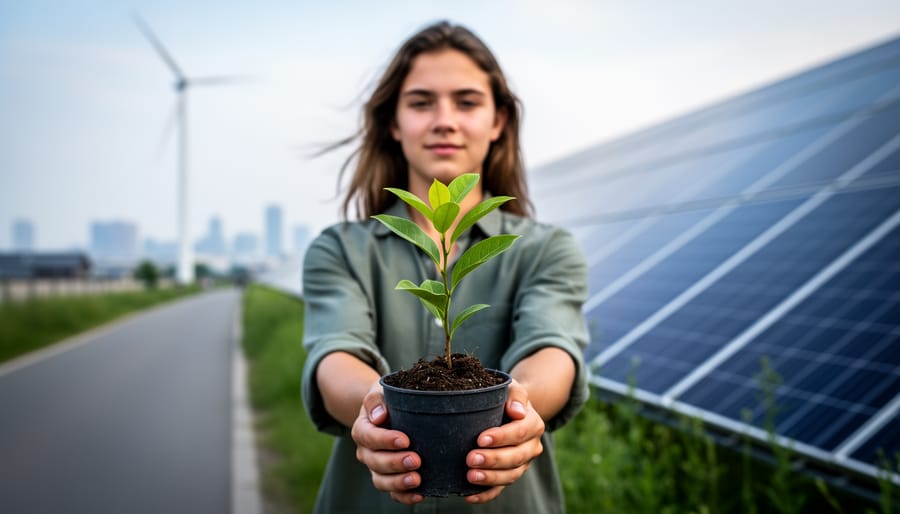
But here’s the critical part: because we know what’s causing the problem, we also know how to fix it. Transitioning to clean energy sources like solar and wind, improving energy efficiency, protecting forests, and changing how we build and transport goods can slow and eventually reverse the damage. This isn’t about assigning blame or waiting for someone else to act. Young people across the political spectrum are already leading solutions in their communities, proving that climate action can unite rather than divide us.
Understanding why climate change happens is the first step toward addressing it effectively. The science points to both the problem and the path forward, and that path is one we can walk together.
Recognizing the Signs: How Climate Change Affects Our Health

Climate change isn’t an abstract future threat, it’s already reshaping human health in ways we can observe today. Recognizing these symptoms helps us understand why addressing the underlying causes matters urgently.
The most direct health impact comes from heat waves and illness rising as temperatures climb. Emergency departments see spikes in heat exhaustion and heat stroke cases during extreme heat events. Vulnerable groups, outdoor workers, elderly people, those without air conditioning, face the greatest risk. Cities amplify this danger through the urban heat island effect, where concrete and asphalt trap warmth, making temperatures several degrees hotter than surrounding areas.
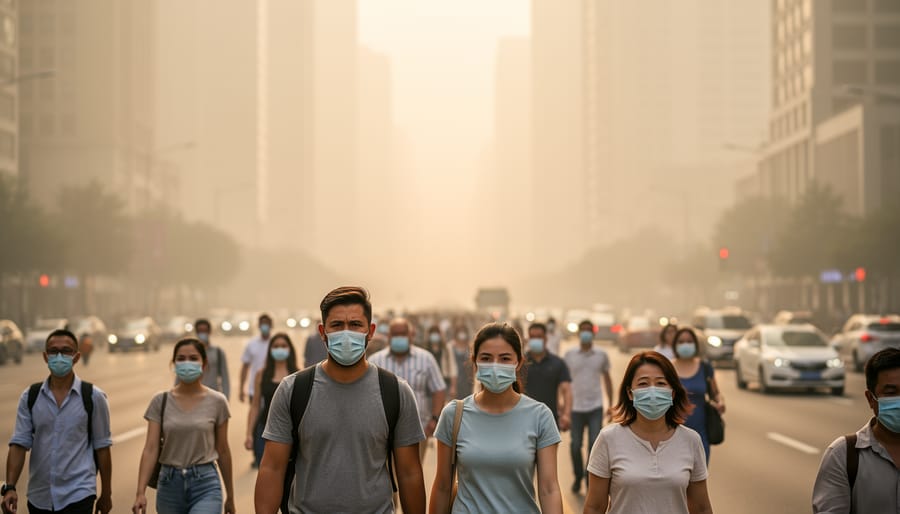
Air quality deterioration signals another visible health consequence. Climate-driven air pollution increases intensify respiratory conditions like asthma and chronic obstructive pulmonary disease. Warmer temperatures cook ground-level ozone into smog. The connection between wildfires and air quality has become painfully clear as smoke blankets regions far from the flames, triggering breathing problems in millions who’ve never lived near a forest.
Disease patterns are shifting geographically. Vector range shifts with climate bring mosquitoes carrying dengue, West Nile virus, and Lyme disease-bearing ticks into areas where they couldn’t previously survive year-round. Warmer winters and altered rainfall create new habitats for these disease carriers.
Mental health impacts, though less visible, are equally real. Climate anxiety affects young people who face an uncertain future. Communities recovering from extreme weather events experience trauma, displacement, and loss. The chronic stress of living through droughts, floods, or persistent heat takes a psychological toll.
- Increased heat-related illnesses including exhaustion and stroke during extreme temperature events
- Worsening respiratory conditions from smog, wildfire smoke, and elevated allergen levels
- Expanding geographic range of vector-borne diseases like Lyme disease and dengue
- Rising climate anxiety, trauma from weather disasters, and displacement-related mental health challenges
These health symptoms aren’t isolated problems, they’re interconnected signals pointing to systemic environmental changes. Understanding what’s driving these changes is the essential next step toward protecting our health and building solutions that work for everyone.
What’s Driving Climate Change: The Core Causes

Energy Production and Consumption
The electricity flowing through power lines and the heat warming our homes trace back to one of the primary climate drivers: burning fossil fuels. When we burn coal, oil, or natural gas to generate electricity or provide heating, we release carbon dioxide that had been locked underground for millions of years. This process adds greenhouse gases to the atmosphere faster than natural systems can absorb them.
Power plants burning coal or natural gas account for a substantial portion of these emissions, as they convert ancient carbon into atmospheric CO₂ every second they operate. Heating systems in homes, schools, and businesses add to this total, particularly in regions that rely on oil or gas furnaces. The challenge isn’t just the volume of emissions but their persistence: carbon dioxide remains in the atmosphere for centuries, accumulating with each year’s new releases. Transitioning to renewable sources like solar and wind breaks this cycle, generating power without releasing stored carbon into the air.
Transportation Systems
Cars, trucks, planes, and ships burn petroleum-based fuels, gasoline, diesel, and jet fuel, which release carbon dioxide and other greenhouse gases into the atmosphere. Every mile driven or flown adds to the total heat-trapping burden. The transportation sector’s reliance on combustion engines means that each trip contributes to atmospheric warming. Unlike stationary power plants that can be replaced with solar or wind farms, transportation systems are dispersed and mobile, making the transition to clean energy more complex. Electric vehicles and sustainable fuels offer pathways to cut these emissions, but widespread adoption requires infrastructure investment and policy support. Choosing public transit, biking, or walking when possible reduces your personal contribution, while advocating for cleaner transportation options amplifies impact at the community level.
Industrial and Manufacturing Processes
Manufacturing and industrial production release greenhouse gases through multiple pathways. When factories produce cement, the chemical reaction that transforms limestone into the binding material releases carbon dioxide directly into the atmosphere. Steel production requires intense heat, typically generated by burning coal, which adds both energy-related emissions and process emissions from the chemical transformations involved. Chemical manufacturing, plastic production, and metal refining all demand substantial energy while also releasing gases through their specific industrial processes.
The production of everyday goods, from electronics to clothing to packaging, contributes to atmospheric changes at every stage. Raw material extraction, processing, assembly, and transportation each add to the greenhouse gas load. Many industrial processes also release potent greenhouse gases beyond carbon dioxide, including those used in refrigeration, foam production, and semiconductor manufacturing. Reducing industrial emissions requires both cleaner energy sources to power factories and redesigned processes that minimize chemical releases during production itself.
Land Use and Deforestation
Forests act as the planet’s lungs, pulling carbon dioxide from the air and storing it in trees, soil, and vegetation. When we clear forests for agriculture, development, or logging, we release that stored carbon back into the atmosphere. At the same time, we lose the trees that would continue absorbing future emissions. The loss isn’t limited to tropical rainforests, temperate forests, wetlands, and grasslands all play roles in regulating atmospheric carbon. Converting natural landscapes to farms, cities, or industrial sites disrupts these carbon sinks and often replaces carbon-absorbing ecosystems with carbon-emitting ones. The challenge extends beyond deforestation itself: degraded landscapes, soil erosion, and altered water cycles compound the problem. Protecting existing forests and restoring damaged ecosystems offers one of the most effective tools for slowing climate change while supporting biodiversity and human communities that depend on healthy land.
Agricultural Practices
Agriculture contributes to climate change through several pathways. Livestock, particularly cattle, produce methane during digestion, a greenhouse gas more potent than carbon dioxide over shorter timescales. Rice paddies also release methane as organic matter decomposes in flooded fields. Fertilizers applied to crops can break down into nitrous oxide, another powerful greenhouse gas. Clearing land for farming reduces forests and grasslands that would otherwise store carbon. These agricultural emissions, combined with the energy used to run farms and transport food, make food production a significant piece of the climate puzzle.
How to Address Climate Change: A Step-by-Step Path Forward
Step 1: Understand Your Energy Footprint
Start by looking at your utility bills and appliances. Your home heating and cooling systems typically account for a large share of household energy use, followed by water heating, major appliances like refrigerators and washing machines, and electronics. Check whether your electricity comes from coal plants, natural gas, or renewable sources, your utility company’s website or monthly statement often breaks this down. Note when you use the most energy: running air conditioning all day, leaving devices plugged in, or heating water for long showers. Spotting these patterns helps you see which changes will cut consumption most. Track one month to establish a baseline, then target the biggest draws first.
Step 2: Transition to Renewable Energy Sources
Switching to renewable energy is the most effective way to cut greenhouse gas emissions at their source. Solar panels on your roof or through a community solar program can offset a significant portion of your home’s carbon footprint. If installation isn’t feasible, check whether your utility offers a green energy option that sources electricity from wind or solar farms. Many states now allow you to choose your electricity supplier, making it easier to support clean energy without changing your infrastructure.
At the community level, push for local government buildings and schools to install solar arrays or purchase renewable energy credits. Advocate for utility-scale wind and solar projects in your region, which deliver clean power more affordably than fossil fuel plants in many areas. Even small steps, like supporting businesses that run on renewables, signal demand that accelerates the market shift away from coal and gas.
Step 3: Support Sustainable Transportation
Transportation accounts for a significant share of greenhouse gas emissions, making how we move around central to addressing climate change. Electric vehicles eliminate tailpipe emissions and run cleaner as the power grid shifts to renewable sources. Public transit moves more people with fewer emissions per passenger than individual cars. Biking and walking produce zero emissions while improving personal health and air quality. Cities designed around walkability and transit reduce car dependence and create healthier communities. Supporting these shifts means choosing transit or biking when possible, advocating for bike lanes and public transportation funding, and considering electric options when vehicle ownership is necessary. Your transportation choices directly influence both emissions and the infrastructure investments your community prioritizes.
Step 4: Engage in Bipartisan Climate Solutions
Climate solutions work best when they bring people together rather than push them apart. Renewable energy, in particular, offers common ground: rural communities benefit from wind farm revenue, coastal regions harness offshore wind potential, and sunny states lead in solar development. These aren’t partisan issues, they’re economic opportunities that create jobs and energy independence across red and blue districts alike.
Start by finding local groups already working across political lines. Clean energy councils, faith-based environmental networks, and business coalitions focused on sustainability often welcome diverse perspectives. When you engage in these spaces, lead with shared values like fiscal responsibility, national security through energy independence, and leaving a healthier world for future generations.
Effective bipartisan advocacy means framing climate action in terms that resonate across the spectrum. Conservatives may respond to arguments about innovation, market-driven solutions, and reducing foreign energy dependence. Progressives often prioritize environmental justice and public health. Both care about protecting communities from extreme weather and building resilient infrastructure. Learn to speak multiple languages of climate concern without compromising on the science or urgency.
Step 5: Amplify Youth Voices and Action
Young people hold unique power to shift the climate conversation because you’re inheriting the consequences and often see solutions more clearly than entrenched interests. Join established youth climate networks, attend city council meetings to speak during public comment periods, or organize campus teach-ins that connect renewable energy transitions to local health outcomes. If no group exists in your community, start one with friends who share your urgency. Use social media strategically, create posters that get people to act and invite diverse voices to build coalitions rather than echo chambers. Your generation’s activism has already moved corporations and governments; sustained pressure, grounded in solutions like clean energy, accelerates that progress.
Step 6: Advocate for Systemic Change
Individual actions matter, but systemic change requires political will. Contact your elected representatives regularly about renewable energy subsidies, carbon pricing, and green infrastructure funding. Support candidates who prioritize climate solutions regardless of party affiliation. Attend town halls and public comment periods for energy projects. Join or organize campaigns that demand corporate emissions transparency and accountability. Vote with climate in mind at every level, from school boards deciding on solar panels to national elections shaping energy policy. Pressure works when it’s sustained and bipartisan.
The Health Benefits of Climate Action
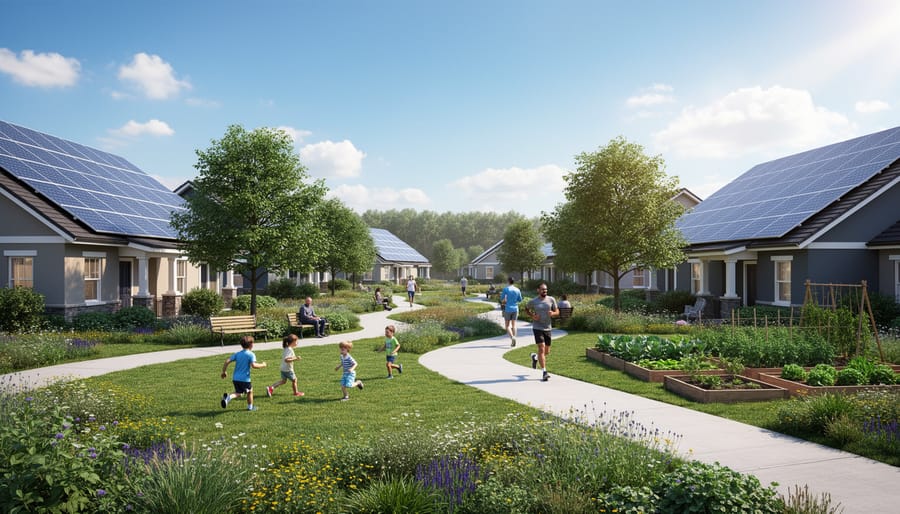
Addressing climate change isn’t just about protecting the planet, it’s about protecting ourselves. Every climate solution delivers measurable health dividends, making the case for action both urgent and personal.
Clean energy transitions create the most immediate health gains. Replacing coal and gas power plants with solar and wind eliminates the particulate matter, sulfur dioxide, and nitrogen oxides that inflame airways and trigger asthma attacks. Communities near retired coal plants report fewer emergency room visits for respiratory distress within months of closure. The shift to electric vehicles removes tailpipe emissions from neighborhood streets, reducing childhood asthma rates and improving outcomes for people with chronic lung conditions.
Sustainable urban design directly combats heat-related illness. Green roofs, tree-lined streets, and parks lower surface temperatures in dense neighborhoods, reducing heat stroke risk during extreme weather events. Cities adapting their infrastructure with cool pavement, reflective surfaces, and water features create microclimates that protect vulnerable residents. Walkable neighborhoods with bike lanes encourage physical activity, addressing obesity and cardiovascular disease while cutting transportation emissions.
| Climate Action | Direct Health Benefit |
|---|---|
| Transition to renewable energy | Reduced respiratory disease and asthma from cleaner air |
| Urban green space expansion | Lower heat-related illness and improved mental health |
| Ecosystem protection and restoration | Decreased vector-borne disease transmission |
| Active transportation infrastructure | Increased physical activity, reduced cardiovascular risk |
Ecosystem protection prevents disease spread. Intact forests and wetlands regulate insect populations and create barriers between humans and wildlife reservoirs of infectious diseases. When we preserve natural buffers, we reduce encounters that allow pathogens to jump species.
Climate action also supports mental well-being. Taking meaningful steps, whether installing solar panels, joining a community garden, or advocating for policy change, replaces anxiety with agency. Young people engaged in climate solutions report lower rates of eco-anxiety and depression. They’re building the future rather than fearing it, and that shift matters for psychological resilience.
Preventing Future Climate Impacts: Building Resilience Now
Understanding why climate change is happening makes one thing clear: prevention now is easier than repair later. The health impacts we see today will intensify without action, but the tools to stop that trajectory already exist. Building resilience means investing in systems that protect people before disasters strike.
Renewable energy infrastructure forms the backbone of climate prevention. Expanding solar, wind, and battery storage reduces the greenhouse gas emissions driving health problems while creating cleaner air immediately. Communities that transition to clean energy see measurable improvements in respiratory health within years, not decades.
Healthcare systems must adapt to climate realities. This means training medical professionals to recognize and treat heat-related illness, establishing cooling centers in vulnerable neighborhoods, and stockpiling supplies for extreme weather events. Hospitals themselves can lead by example, running on renewable power and reducing their own emissions.
Green spaces in cities deliver multiple benefits. Parks and tree-lined streets lower temperatures, filter air pollution, and provide mental health relief. Cities that prioritize green infrastructure experience fewer heat-related deaths and better overall public health outcomes.
Early warning systems save lives during extreme weather. When communities have advance notice of heat waves, floods, or storms, they can protect vulnerable populations. These systems work best when paired with clear action plans that everyone understands.
Climate education builds long-term resilience. When we explain climate change to kids in ways that empower rather than frighten, we create a generation prepared to continue the work. Young people who understand both the problem and the solutions become powerful advocates for change.
Prevention requires investment, but it costs far less than managing worsening health crises. Every dollar spent on climate resilience returns value through avoided medical costs, preserved work productivity, and protected communities. The question is not whether we can afford to act, but whether we can afford not to.
Your Questions About Climate Change Causes Answered
Is climate change natural or human-caused?
Both natural factors and human activity influence climate, but the rapid warming we see today is primarily driven by human actions. The burning of fossil fuels, deforestation, and industrial processes release greenhouse gases that trap heat in ways natural cycles alone cannot explain.
Why is carbon dioxide a problem if it’s natural?
Carbon dioxide is essential for life, but the issue is one of balance. When we burn fossil fuels and clear forests, we release stored carbon into the atmosphere faster than natural systems can absorb it, creating a heat-trapping blanket that warms the planet and disrupts weather patterns.
Can renewable energy really replace fossil fuels?
Yes, and it’s already happening. Wind and solar technologies have become cost-competitive with coal and gas in many regions, and they’re scaling rapidly. The transition requires investment in infrastructure and storage systems, but the technology exists to power our societies with clean energy.
What can one person actually do about climate change?
Individual actions matter, especially when they multiply across communities. Reducing your energy footprint, choosing clean transportation, supporting renewable energy policies, and joining climate advocacy efforts all contribute to the systemic changes we need. Your voice in local decisions and elections shapes the larger transition.
These questions reflect the concerns many people have when trying to understand climate change causes. The answers aren’t about perfection but about progress. When you grasp why climate change is happening, you can identify which solutions will work and where your energy is best spent. The goal isn’t to carry the entire burden alone but to be part of a generation that chooses renewable energy, demands policy change, and builds a healthier future together.
Moving Forward Together
Understanding why climate change is happening gives us the power to solve it. The causes are clear: our reliance on fossil fuels for energy and transportation, industrial processes, deforestation, and agricultural practices have altered the atmosphere in ways that threaten human health. But this knowledge isn’t a dead end. It’s a roadmap.
The solutions exist right now. Renewable energy technologies can replace fossil fuels. Communities across the political spectrum are finding common ground in clean energy jobs and healthier air. Young people are leading the charge, organizing movements, pushing for accountability, and proving that age doesn’t limit impact.
Your next step matters, whether it’s reducing your energy footprint, joining a local climate group, or contacting elected officials about renewable energy policy. Every action builds momentum. Climate change isn’t an unsolvable mystery or an inevitable disaster. It’s a problem we created, which means it’s a problem we can fix. The question isn’t whether we can do it. It’s whether we’ll choose to act together, across generations and political divides, to protect our health and our future. That choice starts now.