
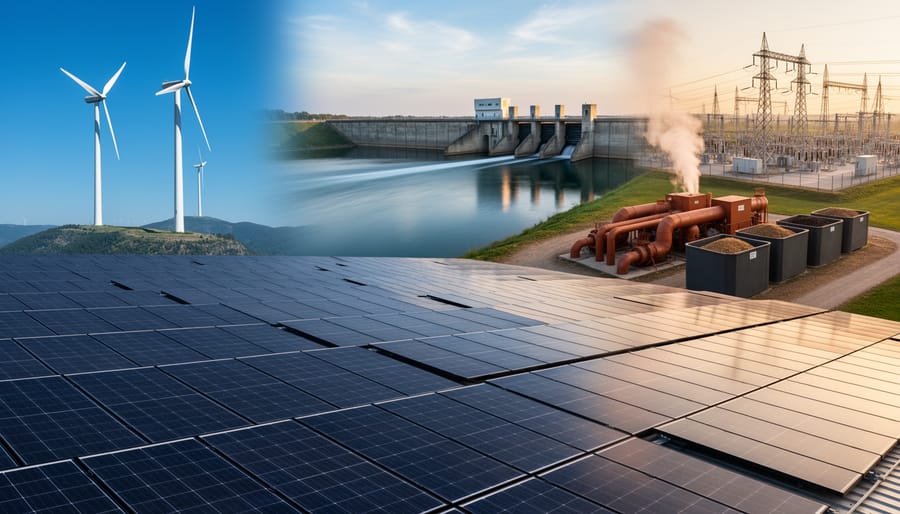

The five major renewable energy resources transforming our power grid in 2026 are solar, wind, hydroelectric, geothermal, and biomass energy. Together, these sources now generate more than 30% of global electricity, creating millions of jobs while reducing the carbon emissions that worsen air quality and wildfires across North America.
Each renewable resource harnesses natural processes that replenish themselves faster than we can consume them. Solar panels convert sunlight into electricity. Wind turbines capture kinetic energy from moving air. Hydroelectric dams channel flowing water through generators. Geothermal systems tap heat from beneath Earth’s surface. Biomass facilities transform organic materials into usable power. What makes these technologies particularly promising is their ability to work together, compensating for each other’s limitations through integrated grid systems.
The transition to renewables has gained momentum across political divides because it addresses multiple priorities at once. Conservatives appreciate energy independence and rural economic development. Progressives value climate action and environmental protection. Young people see renewable energy careers as both financially viable and aligned with their values.
Understanding these five resources means grasping more than abstract technology. It means recognizing pathways to participation, whether through rooftop solar installation, community wind projects, or careers in the renewable sector. The economic opportunities are real, the environmental benefits are measurable, and the time to engage is now. This guide breaks down what each resource offers, who can access them, and how to get started turning knowledge into action.
Understanding the Five Major Renewable Energy Resources
Solar Energy
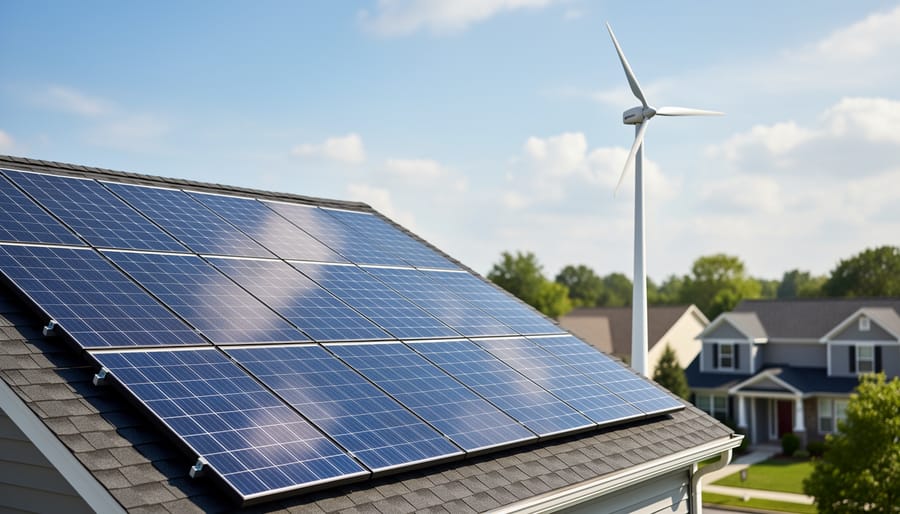
Solar energy captures sunlight through photovoltaic cells, commonly known as solar panels, that convert sunlight to electricity using semiconductor materials. When photons hit these cells, they knock electrons loose, creating an electrical current that can power homes, businesses, and entire communities. This technology works on rooftops, in large solar farms, and even in portable applications. Advances in new solar panel technologies are making solar more efficient and affordable, expanding access for homeowners and creating thousands of jobs in installation, manufacturing, and maintenance across the country.
Wind Energy
Wind energy captures the kinetic force of moving air and transforms it into electrical power through wind turbines. When wind strikes a turbine’s blades, it causes them to spin, which turns a rotor connected to a generator inside the turbine housing. This mechanical rotation is how wind turns into electricity that can power homes, businesses, and entire communities. Modern wind farms, groups of turbines installed together, generate electricity at scale, often in areas with consistent wind patterns like plains, coastlines, and offshore locations. Wind energy produces zero emissions during operation, making it one of the cleanest power sources available. For young people entering the energy sector, wind power offers career opportunities in turbine manufacturing, installation, maintenance, and project development across rural and coastal regions.
Hydroelectric Power
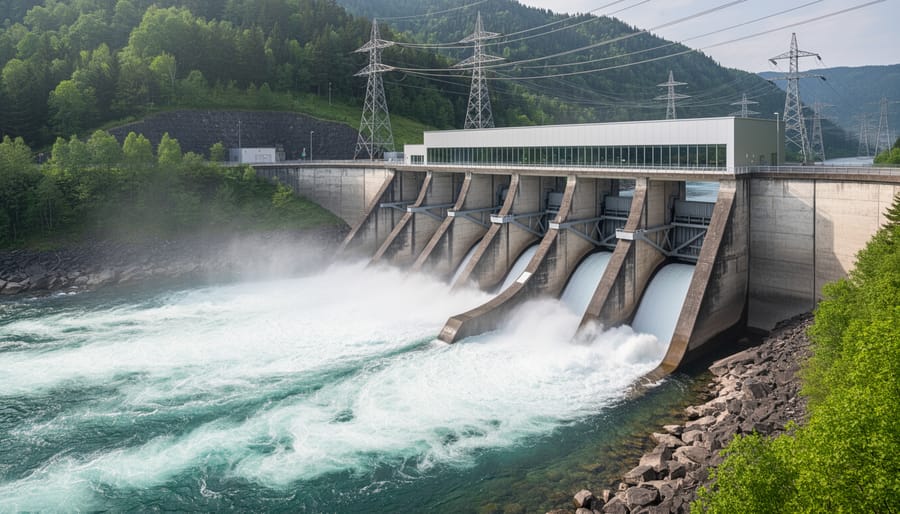
Hydroelectric power converts the kinetic energy of moving water into electricity. When rivers flow downward or water is released from reservoirs, it spins turbines connected to generators. This mechanical rotation creates electrical current that feeds into the power grid. The process is remarkably efficient, hydroelectric plants can convert up to 90% of available energy into electricity, compared to roughly 50% for fossil fuel plants.
Most hydroelectric facilities use dams to control water flow and create elevation differences that increase power output. Smaller run-of-river systems generate electricity without large reservoirs by channeling natural stream flow through turbines. Pumped-storage facilities even act as giant batteries, moving water uphill during low-demand periods and releasing it to generate power when needed. Hydroelectric currently provides about 6% of U.S. electricity and remains the largest renewable energy source globally.
Geothermal Energy
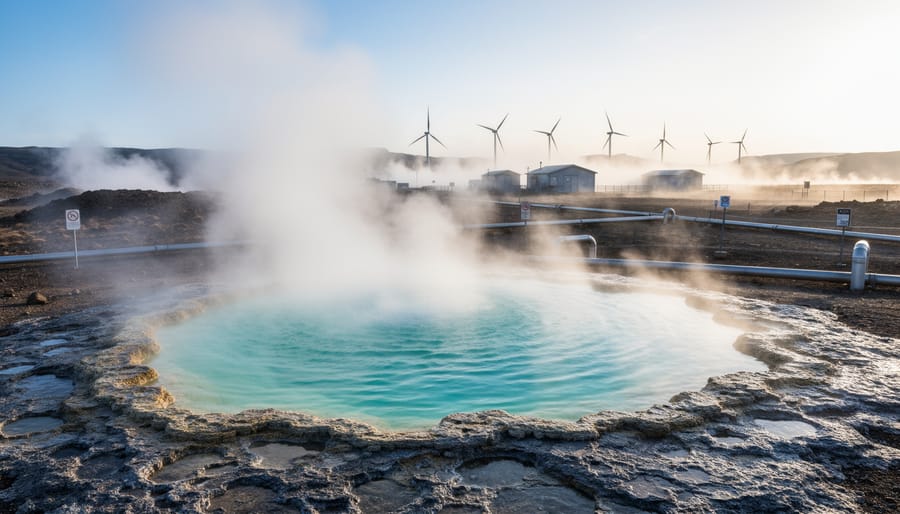
Geothermal energy captures heat stored beneath the Earth’s surface and converts it into usable electricity and heating. Deep underground, temperatures rise dramatically, reaching over 300 degrees Fahrenheit just a few miles down. Power plants tap into this heat by drilling wells into hot rock formations where water naturally circulates or is pumped through. The steam or hot liquid drives turbines connected to generators, producing clean electricity without burning fuel. Beyond large-scale power generation, geothermal systems provide direct heating for homes, greenhouses, and entire district heating networks in geologically active regions, offering reliable baseload power that works around the clock regardless of weather conditions.
Biomass Energy
Biomass energy converts organic materials, wood, agricultural waste, food scraps, and dedicated energy crops, into usable power through combustion, fermentation, or chemical processes. When these materials burn or decompose, they release stored solar energy that plants captured during photosynthesis. Unlike fossil fuels, biomass is renewable because we can regrow the source materials on human timescales.
The process works in several ways. Direct combustion burns wood or crop waste to generate heat and electricity. Anaerobic digestion breaks down organic matter in oxygen-free environments, producing biogas (primarily methane) for heating or power generation. Fermentation transforms corn, sugarcane, and other crops into ethanol for transportation fuel.
Biomass creates a carbon cycle rather than adding new emissions, plants absorb CO2 as they grow, then release it when converted to energy. This makes biomass carbon-neutral when managed sustainably, though transportation and processing do add some environmental costs.
Who Can Access and Benefit from Renewable Energy Programs
Renewable energy isn’t just for homeowners with deep pockets or big corporations. Programs across the United States welcome a surprisingly diverse mix of participants, from renters to recent graduates, and eligibility rules often work in favor of those just starting out.
Homeowners have the most straightforward path. If you own your property, whether it’s a single-family house, condo, or townhome, you can generally install solar panels, geothermal systems, or small wind turbines, provided local zoning permits it. Many states offer property tax exemptions and federal investment tax credits covering up to 30% of installation costs through 2032. Income caps rarely apply to homeowners pursuing standard installations, though low-to-moderate income households may qualify for additional state rebates or financing assistance.
Renters face more constraints but aren’t shut out. Community solar programs let you subscribe to a shared solar array without owning the roof it sits on. These programs operate in over 40 states and typically require only a utility bill in your name and a subscription agreement. You’ll receive credits on your electricity bill for your share of the power generated. Some programs prioritize low-income subscribers with discounted rates or waived signup fees.
| Program Type | Primary Eligibility | Income Requirements |
|---|---|---|
| Residential Solar | Property ownership, suitable roof condition | None (low-income incentives available) |
| Community Wind Projects | Local residency or business location | None (cooperative membership fees apply) |
| Workforce Training | High school diploma or equivalent | Free or subsidized for under 200% poverty line |
| Small Business Grants | Registered business entity, operational history | Varies by program (USDA rural grants prioritize small revenue businesses) |
Young professionals eyeing renewable energy careers will find the door wide open. Most training programs require only a high school diploma or GED. Federally funded initiatives like job corps and apprenticeship programs through the Department of Labor cover tuition for participants from low-income backgrounds. Community colleges offer stackable credentials in solar installation, wind turbine technology, and energy auditing, often at under $5,000 for a full certificate.
Geographic factors matter more than you might expect. Solar incentives peak in states with renewable portfolio standards, currently 30 states plus D.C., while wind opportunities concentrate in the Great Plains and offshore regions. Rural areas gain access to USDA grants for biomass and geothermal projects that urban zones can’t tap. Understanding off-grid living basics becomes especially relevant if you’re in a remote location considering energy independence.
Businesses face sector-specific eligibility. The federal Modified Accelerated Cost Recovery System (MACRS) allows commercial entities to depreciate renewable installations, but you’ll need documented revenue and tax liability to benefit. Nonprofits and community organizations can access grant programs that for-profit businesses can’t, particularly through state clean energy funds.
How to Get Involved: Adoption and Application Process
For Homeowners and Property Owners
Starting your renewable energy journey as a homeowner begins with an energy audit. Contact your utility company or a certified energy assessor to evaluate your property’s potential for solar panels, geothermal heating, or wind systems. Most state energy offices maintain lists of licensed contractors who can provide free consultations and quotes.
For solar installations, you’ll submit permit applications through your local building department, typically requiring site plans, electrical diagrams, and structural calculations. Your contractor usually handles this paperwork. Processing takes two to eight weeks depending on your municipality. Federal tax credits cover 30% of installation costs, and many states offer additional rebates, check the Database of State Incentives for Renewables & Efficiency (DSIRE) for your area.
Community solar programs offer an alternative if your roof isn’t suitable. You subscribe to a shared solar farm and receive credits on your utility bill without installing equipment. Applications are typically online and approval is quick.
Geothermal systems require ground loop installation, demanding more extensive permitting and site assessment. Budget three to six months for the complete process.
These home renewable systems complement emerging technologies like solar integration in EVs and solar-integrated transportation creating a comprehensive clean energy ecosystem for your household.
For Young Professionals and Job Seekers
The renewable energy sector is actively recruiting entry-level workers, and you don’t need a four-year degree to start. Most pathways begin with either community college programs, union apprenticeships, or industry certifications that take 6-24 months to complete.
Start by searching your state’s workforce development board website for renewable energy training programs, many offer free or subsidized enrollment. The North American Board of Certified Energy Practitioners (NABCEP) provides nationally recognized certifications in solar PV installation, a credential that immediately improves your job prospects. Wind technician programs often partner with manufacturers like Vestas or GE, guaranteeing interviews upon completion.
Union apprenticeships through the International Brotherhood of Electrical Workers (IBEW) or Laborers’ International Union combine classroom instruction with paid on-the-job training. You earn while you learn, typically starting at $15-20 per hour, with wages increasing as you gain skills.
Application processes vary but generally require a high school diploma or GED, a valid driver’s license, and sometimes basic math or mechanical aptitude tests. Submit applications directly through program websites between January and March for fall enrollment. Many programs prioritize applicants from underserved communities.
For Businesses and Community Groups
Businesses and community groups follow a multi-track application process depending on their renewable energy goals. For commercial installations, like rooftop solar arrays or wind turbines, start by requesting proposals from certified installers who will conduct feasibility studies and energy audits. These assessments determine which of the five renewable energy resources best suits your facility’s needs and consumption patterns.
Grant applications require separate submissions through the Department of Energy’s State Energy Program or USDA Rural Energy for America Program. Prepare three years of utility bills, proof of ownership or long-term lease agreements, project cost estimates, and organizational tax documentation. Application windows typically open twice yearly with 60-90 day review periods.
Community renewable partnership programs, like shared solar gardens or cooperative wind projects, involve forming or joining existing entities. File articles of incorporation for energy cooperatives, then apply through state renewable energy offices for community project designation. This status unlocks special financing rates and streamlined permitting.
Most commercial projects qualify for the Investment Tax Credit (30% of installation costs) and accelerated depreciation schedules. Young professionals can lead these initiatives within organizations, gaining project management experience while advancing sustainability goals that resonate across political perspectives.
Economic Impact: Jobs, Growth, and Opportunities
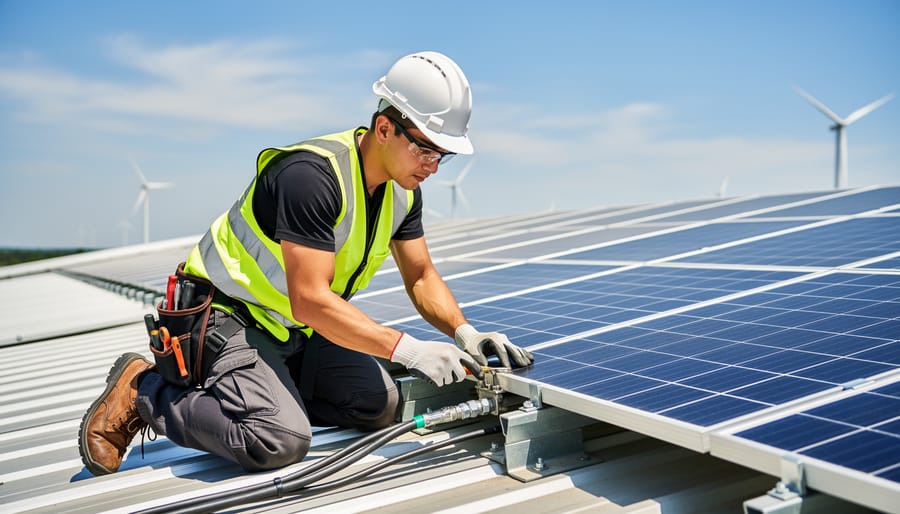
The renewable energy sector added over 200,000 jobs in the United States in 2025, outpacing traditional energy employment growth by nearly three to one. This isn’t just about numbers on a spreadsheet. It’s about real paychecks, stable careers, and economic revitalization in communities that need it most.
Solar energy leads the charge with approximately 255,000 workers installing panels, managing projects, and maintaining systems across residential and commercial sectors. Wind energy employs another 125,000 people in manufacturing, installation, and operations, with particularly strong job growth in rural regions where turbine farms bring new revenue streams to agricultural communities. Hydroelectric facilities provide long-term employment in operations and maintenance, while geothermal and biomass sectors continue expanding their workforce in specialized technical roles.
What makes this growth remarkable is its bipartisan appeal. Red states and blue states alike are seeing renewable energy investments transform local economies. Texas leads the nation in wind energy jobs, while Florida’s solar sector is booming. Iowa generates one-third of its electricity from wind, creating thousands of manufacturing and maintenance positions. These aren’t coastal elite jobs. They’re opportunities in places where traditional industries have declined, offering a path forward that conservatives and progressives can support together.
Wages in renewable energy typically exceed national averages. Solar installers earn median salaries around $48,000 annually, with experienced technicians pulling in $60,000 or more. Wind turbine technicians average $57,000, making it one of the fastest-growing trades in the country. Project managers and engineers in the sector command six-figure salaries, while entry-level positions provide living wages with clear advancement pathways.
For young people entering the workforce, renewable energy offers multiple career entry points:
- Solar installer (high school diploma, on-the-job training or certificate program)
- Wind turbine technician (associate degree or technical certificate)
- Energy auditor (bachelor’s degree or professional certification)
- Electrical technician specializing in renewables (associate degree or apprenticeship)
- Project manager (bachelor’s degree plus industry experience)
- Renewable energy engineer (bachelor’s or master’s degree in engineering)
- Environmental compliance specialist (bachelor’s degree in environmental science or related field)
Beyond direct employment, renewable energy drives economic multipliers. Every solar installation creates demand for electricians, roofers, and permitting specialists. Manufacturing facilities for turbine components and panels generate industrial jobs. Community renewable projects keep energy dollars circulating locally rather than flowing to distant utility companies or foreign oil markets. Rural landowners hosting wind turbines or solar arrays receive lease payments that stabilize farm incomes.
This economic transformation is happening now, not in some distant future. The question for young people isn’t whether renewable energy will create opportunities, but whether they’ll position themselves to capture them.
Your Rights and Responsibilities in Renewable Energy Participation
When you participate in renewable energy programs, whether installing solar panels, joining a community wind project, or entering the workforce, you gain specific legal protections and take on clear responsibilities. Understanding both sides helps you make informed decisions and avoid common pitfalls.
If you generate renewable energy at home, you typically have the right to net metering in states where it’s offered. This means your utility credits you for excess electricity your solar panels or wind turbine sends back to the grid, often at retail rates. You’re also entitled to claim federal tax credits: the Investment Tax Credit covers 30% of solar installation costs through 2032, while similar incentives exist for geothermal systems.
Renewable Energy Certificates, or RECs, represent the environmental value of the clean power you generate. In some programs, you can sell these certificates for additional income, though rules vary by state. Consumer protection laws shield you from deceptive sales practices, require clear contract terms, and give you cancellation rights, usually three days after signing residential installation agreements.
Young workers entering renewable energy jobs have rights too. Training programs must provide safe working conditions, fair wages that meet prevailing rates for apprenticeships, and equal access regardless of background. Community project participants are entitled to transparent financial reporting and a voice in decision-making processes.
Property owners must obtain proper permits before installing renewable systems. Building permits, electrical permits, and sometimes historic district approvals are standard requirements. You’re responsible for maintaining your equipment according to manufacturer specifications, solar panels need periodic cleaning, wind turbines require inspections, and geothermal systems need fluid checks.
Safety standards aren’t optional. Installations must meet National Electrical Code requirements and local building codes. If you hire contractors, verify they’re licensed and insured. For DIY enthusiasts, understand that improper installations void warranties and create liability issues.
Contract obligations matter. If you lease equipment or sign a power purchase agreement, you’re committing to long-term terms, usually 20-25 years. Read agreements carefully, especially clauses about transferring contracts if you sell your property. Some community solar programs require minimum participation periods.
Reporting requirements apply mainly to larger systems. Commercial installations often need to report generation data to utilities and maintain interconnection agreements. Homeowners claiming tax credits must file IRS Form 5695 and keep receipts for seven years.
Young professionals in training programs should fulfill attendance requirements, meet safety certifications, and complete apprenticeship hours. These aren’t bureaucratic hoops, they’re pathways to recognized credentials that boost your earning potential and career mobility in a growing industry.
Where to Get Help and Find Resources
Navigating the renewable energy landscape becomes much easier when you know where to turn for guidance, funding assistance, and technical support. Whether you’re a homeowner exploring solar installation, a young professional seeking training opportunities, or a community group organizing a renewable project, these resources can help you move forward.
The U.S. Department of Energy serves as the primary federal hub, offering extensive information through and connecting you to state-specific programs. Their Energy Efficiency and Renewable Energy office maintains databases of incentives, installer directories, and educational materials. Each state also operates its own energy office, typically found through a quick search for “[your state] energy office”, which administers local rebates, coordinates workforce programs, and provides region-specific guidance on wind, solar, and geothermal potential.
- DSIRE (Database of State Incentives for Renewables & Efficiency) at, searchable database of financial incentives and policy information by location
- Interstate Renewable Energy Council (IREC), technical assistance, workforce training resources, and consumer protection guidance
- American Council on Renewable Energy (ACORE), business resources, job boards, and industry connections for young professionals
- GRID Alternatives, hands-on training opportunities and solar installation assistance for underserved communities
- Local utility companies, net metering information, interconnection applications, and energy efficiency programs specific to your service area
For financing help, the Clean Energy States Alliance connects residents to state green banks and low-interest loan programs, while community development financial institutions often offer specialized renewable energy lending. Youth climate organizations like the Sunrise Movement and Alliance for Climate Education provide peer networks and activism resources that complement technical pathways.
Don’t overlook community colleges and trade schools, which frequently partner with energy companies to offer free or subsidized training in solar installation, wind turbine maintenance, and energy auditing. Your local workforce development board can point you toward apprenticeships and on-the-job training that lead directly to renewable energy careers.
The five renewable energy resources, solar, wind, hydroelectric, geothermal, and biomass, aren’t just environmental solutions. They’re economic opportunities that are reshaping communities and creating careers right now. Whether you’re a homeowner considering solar panels, a recent graduate exploring clean energy jobs, or someone interested in community renewable projects, there’s a pathway that fits your situation.
What makes this transition particularly promising is the broad support it enjoys. Renewable energy development has become one of the few issues that bridges political divides, with job creation and energy independence resonating across the spectrum. Young people are uniquely positioned to lead this shift, bringing fresh perspectives to an industry that’s hungry for talent and innovation.
Your next step depends on where you are. If you own property, explore the residential programs and tax incentives available in your area. If you’re building a career, look into training programs and apprenticeships that can launch you into a growing field. If you’re passionate about collective action, connect with community renewable energy initiatives.
The clean energy transition is happening with or without any single person, but it’s better with your participation. Start where you are, use the resources available, and be part of building an economy that works for people and the planet.
Common Questions About Renewable Energy Resources
How much does it cost to install renewable energy systems at home?
Residential solar installations typically range from $15,000 to $25,000 before incentives, while geothermal heat pumps cost $10,000 to $30,000 depending on system size and property conditions. Federal tax credits can reduce these costs by 30%, and many states offer additional rebates that bring net costs down significantly.
What’s the typical payback period for renewable energy investments?
Solar panels usually pay for themselves in 6 to 12 years through energy savings, with systems lasting 25 years or more. Wind and geothermal systems have similar timelines, though exact payback depends on local energy rates, system efficiency, and available incentives.
Can renters participate in renewable energy programs?
Yes, renters can join community solar programs that allow you to subscribe to a shared solar array and receive credits on your electricity bill without installing anything on your property. Many utilities and third-party providers offer these programs with no upfront costs and flexible subscription terms.
What training or education do I need for a renewable energy career?
Entry-level positions like solar installer or wind turbine technician typically require a high school diploma plus a certification program that takes a few months to a year. More technical roles such as energy engineer or project manager require a bachelor’s degree in engineering, environmental science, or related fields.
Are renewable energy options available in all geographic areas?
All regions have access to at least one renewable resource, though the best option varies by location. Solar works nationwide but performs best in sunny climates, wind energy thrives in coastal and plains regions, geothermal suits areas with volcanic activity or specific geological conditions, hydroelectric requires flowing water sources, and biomass is viable wherever organic waste is available.
What financing options exist if I can’t afford upfront costs?
Solar loans, power purchase agreements, and lease programs allow you to go solar with little or no money down, paying through monthly installments or reduced electricity rates. Additionally, programs like Property Assessed Clean Energy financing let you repay costs through your property tax bill over 15 to 20 years.
How much maintenance do renewable energy systems require?
Solar panels need minimal maintenance, just occasional cleaning and annual inspections. Wind turbines require more regular servicing every six months, while geothermal systems need professional checks every few years to ensure optimal performance.
These questions reflect the real concerns young people and first-time participants face when considering renewable energy. The answers cut through confusion without overselling or making false promises about overnight returns. Whether you’re weighing a home installation, exploring career training, or looking for renter-friendly options, understanding these fundamentals helps you make informed decisions that align with your situation and goals. Renewable energy participation isn’t one-size-fits-all, but the growing range of programs, financing mechanisms, and career pathways means there’s likely an entry point that works for you, regardless of where you live or your current financial position.