
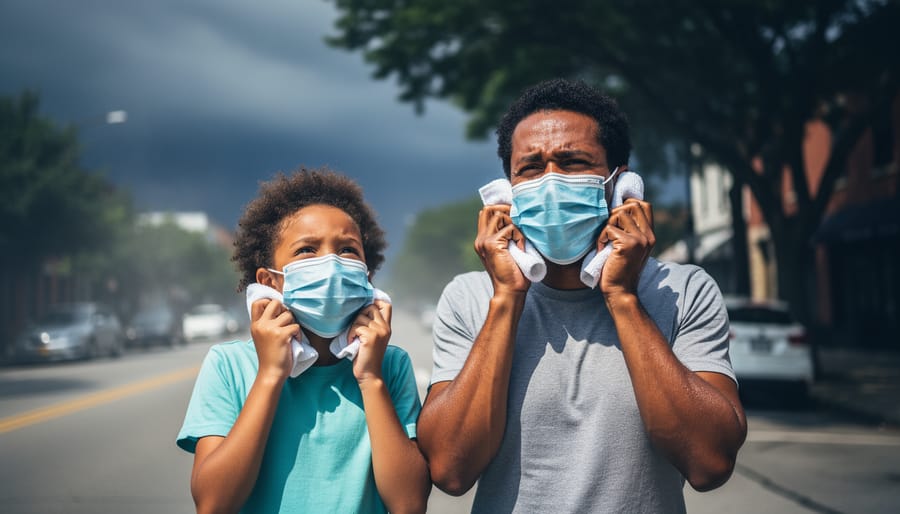

Anthropogenic climate change refers to the warming of Earth’s atmosphere and oceans caused by human activities, primarily the burning of fossil fuels, deforestation, and industrial agriculture. These activities release greenhouse gases like carbon dioxide and methane that trap heat in our atmosphere, creating cascading effects on weather patterns, ecosystems, and most importantly, human health. The connection between what we emit and how we feel isn’t abstract. Rising temperatures intensify heat waves that strain cardiovascular systems, longer pollen seasons worsen respiratory conditions, and shifting disease patterns bring mosquito-borne illnesses to new regions where populations lack immunity or preparedness.
The health burden falls unevenly. Children breathe faster and spend more time outdoors, making them especially vulnerable to air pollution and heat stress. Older adults face heightened risks during extreme weather events. Low-income communities often live in areas with less tree cover, aging infrastructure, and limited access to cooling centers or quality healthcare. Indigenous populations watching traditional food systems collapse face both nutritional and cultural health impacts. Geography matters too. Coastal residents confront storm surge and flooding, while those in arid regions see drought-related malnutrition and conflict over water resources.
Understanding this chain of cause and effect empowers action at every level. Individual choices around energy use, transportation, and diet make measurable differences when multiplied across communities. Local resilience planning protects the most vulnerable during climate events. Federal policy shapes emission standards and renewable energy investment. What bridges these scales is recognition that climate health solutions don’t require choosing between economic prosperity and environmental protection. Clean energy creates jobs, cooler cities improve productivity, and healthier populations reduce healthcare costs. Young people across the political spectrum increasingly grasp this reality, pushing for pragmatic, bipartisan approaches that treat climate action as the public health imperative it has become.
What Anthropogenic Climate Change Means for Public Health
The Science Behind Human-Caused Climate Change
When we burn coal, oil, and natural gas for electricity, transportation, and manufacturing, we release carbon dioxide and other greenhouse gases into the atmosphere. These gases act like a blanket around Earth, trapping heat that would otherwise escape into space. The more greenhouse gases accumulate, the warmer our planet becomes, not just by a degree or two, but enough to fundamentally alter weather patterns, ocean temperatures, and ecosystems worldwide.
Think of it like leaving your car in the sun with the windows up. Sunlight enters easily, but the heat gets trapped inside, making the interior far hotter than the air outside. Greenhouse gases work similarly on a planetary scale, absorbing and re-radiating heat back toward Earth’s surface.
This warming doesn’t just mean hotter summers. It destabilizes the entire climate system, intensifying hurricanes, lengthening droughts, and shifting rainfall patterns. These changes create direct threats to human health: more frequent and severe heat waves stress our bodies, worsening air quality from wildfire smoke and ground-level ozone damages our lungs, and changing temperatures allow disease-carrying mosquitoes and ticks to thrive in new regions. Vector-borne diseases spread as warming expands habitable zones for insects that transmit illnesses like Lyme disease and dengue fever.
Understanding these root causes and solutions matters because addressing the emissions that drive climate change also protects our health. Transitioning to renewable energy reduces both the greenhouse gases warming our planet and the air pollutants making us sick.
Direct and Indirect Health Pathways
Climate change harms human health through two distinct pathways that operate on different timescales and require different protection strategies. Direct health impacts strike immediately during extreme events: Heat harms health when temperatures spike beyond the body’s cooling capacity, causing heat exhaustion, stroke, and cardiovascular strain. Storms, floods, and hurricanes cause injuries, drownings, and mental health trauma. Ozone can harm health when heat accelerates smog formation, triggering asthma attacks and respiratory distress. The connection between wildfires and air quality demonstrates how rising temperatures create immediate breathing hazards for millions.
Indirect pathways unfold more gradually but affect larger populations:
- Disease vectors like mosquitoes expand into new regions as temperatures warm, spreading malaria, dengue, and Lyme disease
- Crop failures and drought reduce nutrition security, weakening immune systems and child development
- Water contamination increases as flooding overwhelms sewage systems and heat promotes bacterial growth
- Economic displacement forces migration, disrupting healthcare access and increasing mental health strain
- Infrastructure damage closes hospitals, limits medication supplies, and delays emergency response
These indirect effects compound over time, making communities less resilient to the next direct climate shock. Understanding both pathways helps you identify where protection measures matter most in your life and community.
Who Is Most Vulnerable: Understanding Health Risk Factors
Geographic and Community-Level Risk
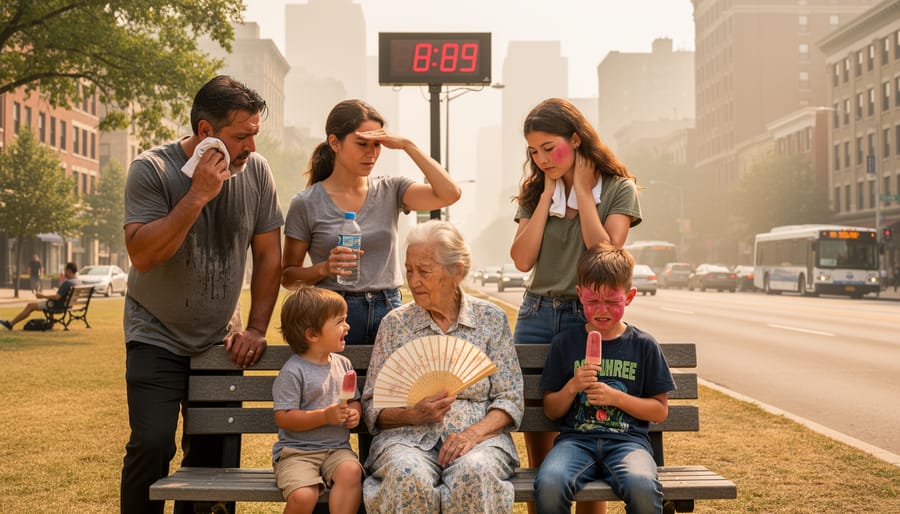
Geographic location plays a critical role in determining how severely communities experience climate-related health threats. Urban areas face amplified heat exposure through the heat island effect, where concrete, asphalt, and limited vegetation cause temperatures to spike 10-20 degrees higher than surrounding regions. During heat waves, densely populated neighborhoods with minimal green space see disproportionate rates of heat stroke, cardiovascular events, and respiratory emergencies, particularly affecting residents without air conditioning or those living in older housing stock.
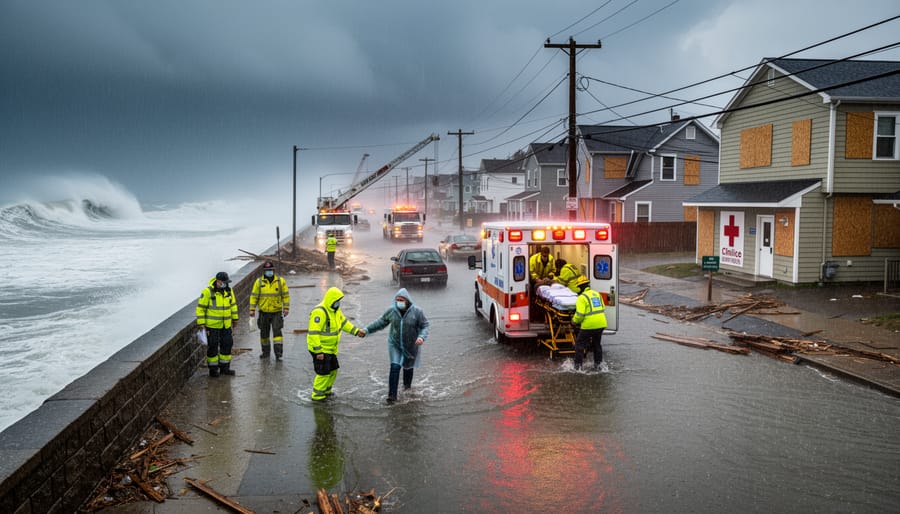
Coastal communities confront compounding risks from rising sea levels, more intense hurricanes, and saltwater intrusion into drinking water supplies. Storm surge events displace families, disrupt healthcare access, and create breeding grounds for waterborne diseases. Meanwhile, agricultural regions experience worsening air quality from wildfire smoke and dust storms, alongside direct heat exposure for farmworkers who spend hours outdoors.
Communities with limited infrastructure, including rural areas, Indigenous territories, and under-resourced neighborhoods, often lack the emergency services, cooling centers, and healthcare facilities needed to respond effectively during climate-driven health crises. These areas may also face delayed disaster recovery, prolonged power outages affecting medical equipment, and restricted access to clean water during droughts. Understanding how different communities experience distinct climate health challenges helps target resources where they’re needed most and informs strategies for cities adapting their infrastructure to protect residents’ health.
Individual Health and Demographic Factors
Your personal health profile and life circumstances shape how climate change affects you. Children under five and adults over sixty-five face the highest risk from heat-related illness because their bodies regulate temperature less efficiently. Kids also breathe faster than adults, meaning they inhale more air pollution per pound of body weight during wildfire smoke events or high-ozone days.
Income determines access to protective resources. Higher earners can afford air conditioning, water filters, backup generators, and medical care when climate impacts strike. Lower-income families often live in older housing with poor insulation and no cooling systems, making heat waves dangerous. They’re also more likely to work outdoor jobs with unavoidable exposure to extreme temperatures.
Housing quality creates stark health divides. Homes built before modern standards may contain lead pipes vulnerable to contamination when flooding occurs. Lack of weatherproofing means indoor temperatures track outdoor extremes. Apartment dwellers in concrete buildings face severe heat retention, while mobile homes offer minimal protection from hurricanes and tornadoes.
Healthcare access matters enormously. People without insurance or living far from medical facilities can’t get timely treatment for heat exhaustion, respiratory distress, or vector-borne diseases like Lyme disease spreading into new regions. Delayed care turns manageable conditions into emergencies.
Pre-existing conditions amplify climate health risks. Asthma worsens with poor air quality. Diabetes impairs heat tolerance. Heart disease increases susceptibility to temperature stress. Pregnancy raises vulnerability to both heat and infectious diseases. Mental health conditions can deteriorate during climate-related displacement or persistent environmental stress.
Understanding these factors helps you identify your personal vulnerabilities and prioritize protective measures that matter most for your situation.
How to Protect Yourself and Your Community
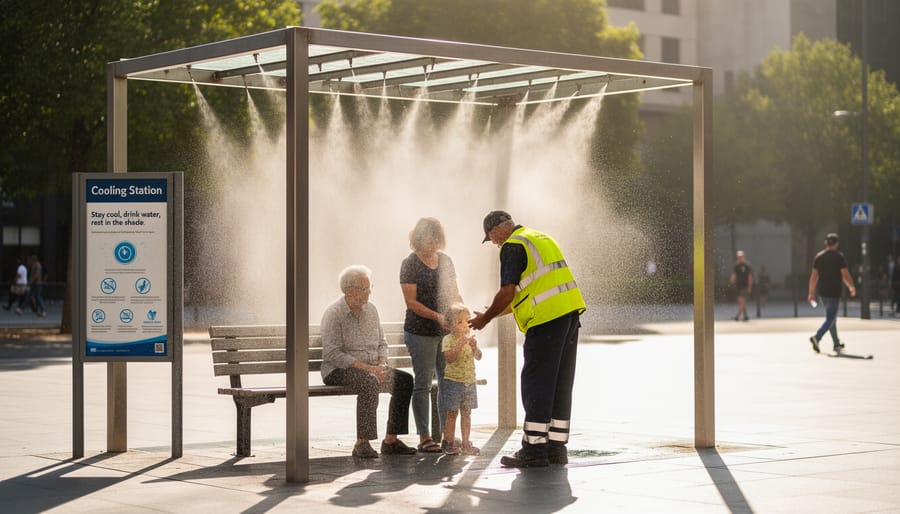
Personal Adaptation Strategies
Start by monitoring your local weather service and downloading a reliable weather app that provides heat index forecasts and air quality alerts. Sign up for emergency notifications from your city or county to receive timely warnings about extreme heat, wildfire smoke, or other climate-related hazards. Knowledge is your first line of defense.
At home, create a cool refuge during heat waves. If you don’t have air conditioning, identify the coolest room (typically on the north side or basement), use fans strategically, and hang damp sheets in windows during the hottest hours. Keep blinds closed during peak sun. Invest in portable air filters or build DIY box fan filters using MERV-13 furnace filters to improve indoor air quality when smoke or pollution levels rise.
Prepare an emergency kit with essentials: three days of water (one gallon per person daily), non-perishable food, medications, flashlight, battery-powered radio, and first aid supplies. Include N95 masks for poor air quality days and a battery backup for your phone.
Learn to recognize heat-related illness symptoms in yourself and others: heavy sweating followed by clammy skin, dizziness, rapid pulse, confusion, or nausea signal heat exhaustion. Hot, dry skin with confusion or unconsciousness indicates life-threatening heat stroke requiring immediate medical attention. Check on elderly neighbors and those living alone during extreme weather events.
Stay hydrated even before you feel thirsty, limit outdoor activity during peak heat hours, and wear light-colored, loose-fitting clothing when outside.
Community-Level Solutions
Young people are uniquely positioned to mobilize their communities around climate health solutions that deliver immediate, tangible benefits. Start by organizing cooling centers during heat waves, libraries, schools, and community centers can become lifesaving refuges when you coordinate with local officials and nonprofits. These spaces protect vulnerable neighbors while building social networks that strengthen long-term resilience.
Green infrastructure projects offer another powerful entry point. Rally volunteers to plant trees in heat-vulnerable neighborhoods, reducing urban temperatures by 5-10 degrees while improving air quality. Community gardens address both food security and mental health, creating gathering spaces where residents grow fresh produce and build relationships across age and political divides.
Push for local climate action plans that prioritize health equity. Attend city council meetings, present data on how green spaces reduce hospitalizations, and demonstrate bipartisan support for solutions like energy-efficient building codes and expanded public transit. When young advocates present renewable energy transitions as public health improvements rather than partisan issues, they unlock broader support.
Form coalitions with healthcare providers, faith communities, and businesses. These partnerships amplify your voice and demonstrate that climate health solutions benefit everyone, making them politically resilient and genuinely transformative.
Advocating for Systemic Change
Individual actions matter, but protecting health from climate change requires policy shifts that only collective advocacy can achieve. Young people hold unique power to push for bipartisan solutions that reduce emissions while strengthening community resilience.
Start by contacting your elected representatives, local, state, and federal, about three interconnected priorities. First, support clean energy investments that improve air quality and reduce heat-trapping emissions. Technologies like solar and EVs cut pollution at its source, delivering immediate health benefits alongside climate protection. Second, advocate for healthcare system preparedness: funding for heat-health action plans, disease surveillance, and emergency response infrastructure. Third, push for resilient community design, green spaces, cool roofs, and weatherization programs that protect vulnerable populations.
These priorities resonate across political lines. Conservatives value energy independence, economic growth, and disaster preparedness. Progressives prioritize environmental justice and public health equity. Frame your advocacy around shared values: cleaner air for our kids, lower healthcare costs, good-paying jobs in renewable sectors, and stronger communities.
Join youth climate organizations that teach effective advocacy skills and connect you with peers nationwide. Attend town halls, write op-eds, and organize campus campaigns. Your generation will live longest with the consequences of today’s decisions, that gives your voice moral authority policymakers cannot ignore.
Your Rights and Health System Responsibilities
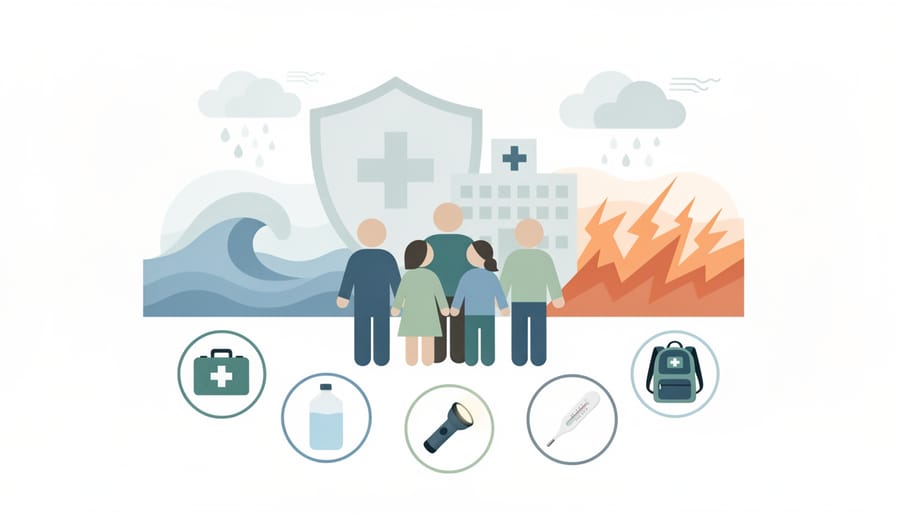
Public Health System Preparedness
Public health departments at every level carry specific duties to protect communities from climate-related health threats. At the national level, agencies like the CDC track disease patterns influenced by changing temperatures and precipitation, monitoring mosquito-borne illnesses spreading into new regions, foodborne disease outbreaks linked to warmer conditions, and respiratory problems during wildfire season. They issue guidance based on this surveillance data and coordinate responses during widespread health emergencies.
Local health departments translate these warnings into action. Most operate heat-health action plans that trigger when temperatures reach dangerous thresholds, opening cooling centers and checking on vulnerable residents. They maintain early warning systems that send alerts through multiple channels, text messages, social media, and community networks, so people have time to prepare before extreme weather arrives. During heat waves, public health teams often partner with utilities to prevent power shutoffs for medically vulnerable households and work with transit agencies to provide free transportation to cooling sites.
Emergency response planning now routinely accounts for climate impacts. Health departments stockpile medications for vector-borne diseases, coordinate evacuation plans for extreme weather events, and train healthcare providers to recognize and treat climate-sensitive conditions. They also collect local health data to identify which neighborhoods face the highest risk, directing resources where they’re needed most.
Workplace and Environmental Protections
Workers have legal protections against climate-related health hazards, though enforcement varies by jurisdiction and industry. The Occupational Safety and Health Administration (OSHA) requires employers to provide workplaces free from recognized hazards, including extreme heat and poor air quality. While OSHA doesn’t yet have a specific heat standard, the agency’s General Duty Clause obligates employers to implement measures like scheduled breaks, hydration access, and acclimatization programs for outdoor workers during heat waves.
State-level regulations often provide stronger protections. California, Washington, and Oregon have enacted heat illness prevention standards mandating shade, water, rest periods, and training when temperatures exceed specific thresholds. Indoor workers face similar risks in warehouses and factories without adequate cooling systems.
Air quality protections fall under the Clean Air Act, which sets National Ambient Air Quality Standards for pollutants worsened by climate change, including ground-level ozone and particulate matter. The Environmental Protection Agency monitors compliance and can require emissions reductions when areas fail to meet health-based standards.
Agricultural workers, construction crews, and outdoor service employees remain particularly vulnerable. If you experience unsafe working conditions, you can file confidential complaints with OSHA or your state labor department. Documenting conditions and organizing with coworkers strengthens enforcement efforts, creating safer workplaces that protect everyone’s health as climate impacts intensify.
Where to Get Help and Information
Whether you’re experiencing climate-related health impacts, seeking to educate yourself, or looking for ways to take action, numerous trusted resources stand ready to support you. Navigating these options starts with understanding which organizations address your specific needs.
Federal Health and Climate Resources
The Centers for Disease Control and Prevention maintains a Climate and Health Program () that tracks health impacts and offers guidance on protection strategies. The Environmental Protection Agency’s Climate Change Adaptation Resource Center () provides region-specific information about environmental health risks. For severe weather preparation, FEMA’s offers emergency planning tools tailored to different communities and threat types.
Medical and Public Health Organizations
Your local health department is your first line of defense during heat emergencies and disease outbreaks, offering alerts through text message systems and social media. The American Public Health Association () connects individuals with public health professionals and provides evidence-based resources about climate health risks. Many major health systems now include climate medicine specialists who understand the connections between environmental changes and patient health.
- CDC Climate and Health Program: Disease surveillance, heat guidance, and adaptation resources
- Local health departments: Emergency alerts, cooling centers, and vaccination programs
- Medical Society Consortium on Climate and Health: Healthcare provider directories and patient education materials
- Alliance of Nurses for Healthy Environments: Community health resources and nursing advocacy networks
- Youth climate organizations: Sunrise Movement, Students for Carbon Dividends, and local campus groups for bipartisan advocacy
- National Suicide Prevention Lifeline (988): Mental health support during climate anxiety or disaster trauma
Youth-Focused Advocacy and Education
Young people leading climate action benefit from organizations that provide both education and organizing tools. The Citizens’ Climate Lobby offers nonpartisan training in effective advocacy, while state-level youth climate councils connect students with policymakers. Resources that explain to kids and teens how climate systems work build the foundation for informed advocacy that transcends political divisions.
Common Questions About Climate Change and Health
Climate change and health questions come up constantly in conversations among young people trying to understand what they’re facing. Here are the answers you need to navigate this challenge and find your role in creating solutions.
How quickly will climate change affect my health?
Many health impacts are already occurring, heat-related illness, worsening air quality, and shifting disease patterns affect communities today. The timeline varies by location and individual risk factors, but effects intensify with each fraction of a degree of warming.
Can one person really make a difference?
Individual actions matter both directly and through collective impact. Your choices to reduce emissions, prepare your household, and advocate for policy change ripple outward, influencing peers, family, and eventually systemic decisions. Youth movements have already shifted national energy conversations.
How do I talk about climate health with people who have different political views?
Focus on shared values like protecting families, reducing healthcare costs, and creating energy independence. Frame renewable energy as economic opportunity rather than environmental sacrifice, and emphasize local health benefits, cleaner air, safer communities, that resonate across the political spectrum.
What role does renewable energy play in protecting health?
Transitioning to renewable energy directly reduces air pollution from fossil fuel combustion, preventing respiratory and cardiovascular disease. It also slows warming, limiting heat-related illness, disease spread, and extreme weather health impacts over the long term.
These questions reflect real concerns, and the answers point to real power. You don’t need to wait for permission or perfect conditions to act. Starting conversations, making informed choices about energy use, and supporting leaders who prioritize both health and climate solutions, these steps build momentum.
Climate health isn’t just an environmental issue or a medical issue. It connects energy policy, community planning, healthcare access, and economic opportunity. That complexity means multiple entry points for engagement. Whether you’re passionate about science, policy, community organizing, or healthcare, your perspective adds value to this challenge. The health impacts of human-caused climate change demand bipartisan solutions, and young people are uniquely positioned to build those coalitions by focusing on outcomes everyone wants: healthier families, resilient communities, and economic opportunity through clean energy innovation.
Understanding anthropogenic climate change isn’t just about acknowledging a problem, it’s about recognizing our power to solve it. The health impacts we’ve explored, from heat-related illness to respiratory conditions, stem from how we produce and consume energy. That means we already know the path forward: transitioning to renewable sources, strengthening community resilience, and demanding policy that protects both people and planet.
This isn’t a partisan issue. Clean air benefits everyone’s lungs. Cooler cities protect all our neighbors during heat waves. Stable food systems sustain communities regardless of political affiliation. When we frame climate action through health outcomes, we find common ground that transcends traditional political divides.
Your generation holds unprecedented potential to accelerate this transition. Every choice, from supporting local clean energy initiatives to organizing cooling centers, contributes to collective impact. Your voice in elections, city councils, and campus organizations shapes the policies that determine whether we reduce emissions fast enough to protect vulnerable populations.
The science is clear, the solutions exist, and the health benefits are immediate. Solar panels don’t just cut carbon; they reduce air pollution that triggers asthma attacks today. Wind farms create jobs while eliminating emissions that worsen heat waves tomorrow.
Start where you are. Talk to friends across the political spectrum about shared health concerns. Support renewable energy projects in your community. Hold leaders accountable for climate preparedness. The challenge is real, but so is your capacity to drive meaningful change. Together, we’re building a healthier, more sustainable future, one decision, one conversation, one policy at a time.